Safe Painting During Pregnancy: A Practical Masked DIY Guide
Practical guidance for pregnant homeowners and DIYers on painting safely with a mask: VOC considerations, ventilation, PPE, and step-by-step workflow.


Yes, you can paint while pregnant with a mask, but follow strict safety practices: use low-VOC paints, ensure good ventilation, wear a properly fitted mask, and avoid solvent-heavy tasks. If you have a high-risk pregnancy or allergies, consult your healthcare provider.
Health foundations for painting during pregnancy
The question and concern around can you paint while pregnant with a mask is common for expecting homeowners. Core safety principles apply: limit your exposure to fumes, keep the workspace well-ventilated, and avoid heavy solvent use. The PaintQuickGuide team emphasizes that pregnancy safety starts with the basics—minimizing inhalation, reducing skin contact with paints, and prioritizing rest when fatigue hits. If you notice headaches, dizziness, or nausea while painting, stop and reassess your environment. Even with a mask, fumes can irritate sensitive airways, so establish a low-odor routine from the start and discuss your plan with your clinician. This mid-pregnancy period is not the time for experiments with DIY fumes; instead, adopt conservative practices wherever possible to protect both you and the baby.
According to PaintQuickGuide, a conservative approach balances productivity with safety. Keep sessions short, use water-based formulas when feasible, and maintain steady airflow. Remember that this content is educational and not a substitute for medical advice. The overarching goal is to complete necessary painting with minimized exposure, not to push through discomfort or symptoms. can you paint while pregnant with a mask? The safest answer is to follow recommended air-quality standards and consult your healthcare provider for personalized guidance.
Tools & Materials
- Low-VOC interior paint (water-based)(Look for zero-VOC or low-VOC formulas; water-based acrylic latex is common for interiors.)
- Primer with low odor(Use if covering odors or drastic color changes.)
- Quality face mask or respirator(NIOSH-approved N95 or elastomeric respirator; ensure a proper seal.)
- Ventilation equipment (box fan, exhaust fan)(Create cross-ventilation; position fan to pull fresh air in and fumes out.)
- Plastic sheeting/drop cloths(Protect floors and furniture; tape edges to prevent slips.)
- Mixing sticks, paint trays(Prepare small batches to minimize air friction and spills.)
- Gloves(Nitrile gloves can protect skin from prolonged contact.)
- Water-based cleaners(Use for safe cleanup and minimal solvent exposure.)
Steps
Estimated time: 2-4 hours per session
- 1
Gather essential supplies
Assemble all paints, PPE, and cleanup supplies in a single area to reduce back-and-forth travel in the workspace. This minimizes exposure time and helps you stay organized for the task ahead.
Tip: Lay out items in order of use to minimize trips and fatigue. - 2
Ventilate the workspace
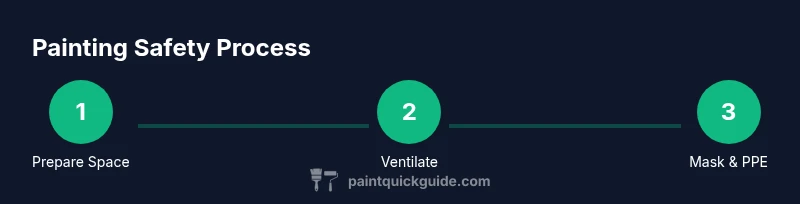
Open windows on opposite sides of the room or place a fan to create cross-ventilation. Avoid enclosed spaces with poor air exchange to keep fumes at bay.
Tip: Run ventilation for at least 10–15 minutes before you start and during the session. - 3
Protect surfaces and yourself
Cover floors and furniture with heavy-duty drop cloths and ensure you wear a well-fitting mask and gloves. Tie back hair and wear lightweight clothing to minimize exposure.
Tip: Secure cloth edges with painter’s tape to prevent snagging or tripping. - 4
Prepare paint in small batches
Pour small amounts into a tray to limit vapor release. Stir gently and avoid vigorous mixing that can aerosolize fumes.
Tip: Use pre-mixed, ready-to-use paints whenever possible to reduce handling. - 5
Apply in thin coats
Apply multiple thin coats rather than a single thick layer. This reduces drying time and the concentration of fumes at any moment.
Tip: Allow each coat to dry fully according to the label before applying the next. - 6
Clean up safely
Clean brushes and tools with water-based cleaners. Seal and dispose of waste according to local guidelines and let the area air out after finishing.
Tip: Wash hands before removing mask to avoid accidental exposure. - 7
Pause if symptoms arise
If you feel dizziness, headaches, or nausea, stop painting immediately and move to fresh air. Reassess your plan with your healthcare provider before continuing.
Tip: Take breaks often; listen to your body and rest when needed.
Your Questions Answered
Is it safe to paint during pregnancy if I wear a mask?
Mask use helps reduce inhalation of fumes, but it is not a substitute for good ventilation and low-VOC products. Always pair PPE with proper air flow and consult your clinician.
Wearing a mask helps, but pairing it with ventilation and low-VOC paints is essential.
What kind of mask should I use while painting during pregnancy?
Choose a NIOSH-approved respirator or a well-fitting N95 mask to improve filtration. Ensure a snug seal and replace masks if they become damp or degraded.
Use a NIOSH-approved respirator or N95 with a good seal and replace if worn.
Can I use solvent-based paints or thinners?
Solvent-based products emit stronger fumes and should be avoided when pregnant. Opt for water-based paints and low-odor primers where possible.
Avoid solvents; choose water-based paints instead.
How long should I wait between coats or sessions?
Follow the manufacturer’s recommended drying times on the paint can. Maintain ventilation during this period and avoid rushing coats.
Always check the paint label for drying times and ventilate well during drying.
Should I talk to my doctor before painting?
Yes. Discuss your pregnancy health, exposure to fumes, and any allergies with your healthcare provider before starting.
Consult your healthcare provider to tailor painting plans to your pregnancy.
Watch Video
Quick Summary
- Use low-VOC paints to limit exposure
- Ventilate continuously and wear a proper mask
- Paint in short, manageable sessions with breaks
- Follow label drying times and avoid harsh solvents
- Consult your healthcare provider for personalized guidance