Can You Paintball With Epilepsy: Safe Participation Guide
Learn how to participate in paintball safely if you have epilepsy. This guide covers medical prep, safety gear, game settings, and how to talk to staff to minimize risk.


Can you go paintballing with epilepsy? For many people, the answer hinges on medical clearance and venue safety policies. According to PaintQuickGuide, with a seizure action plan, properly fitted gear, and staff aware of epilepsy, participation can be safe. This quick answer signals the need for professional guidance and careful selection of venues.
Can you go paintballing with epilepsy: understanding the basics
Epilepsy is a neurological condition characterized by recurrent seizures. Each person’s triggers can vary, including flashing lights, intense physical exertion, stress, dehydration, or lack of sleep. Paintball is high-energy, involves adrenaline spikes and close encounters, which could in some cases heighten seizure risk. However, with careful planning, many players with epilepsy participate safely. With the question can you go paintballing with epilepsy, the answer depends on medical clearance and how well the venue supports seizure safety. This section lays groundwork for a cautious, informed approach: know your triggers, ensure timely medication, and secure a plan that places safety first. Attaining buy-in from your healthcare provider and from on-site staff makes a big difference in risk mitigation. If you have a diagnosis of epilepsy and want to try paintball, use this guide to navigate pre-play planning, equipment choices, and emergency procedures.
Planning with your healthcare provider
Before you pick up a marker, arrange a pre-participation medical review. A clinician can assess seizure type, frequency, and potential triggers in the context of strenuous activity. Write or update a seizure action plan, list medications and doses, and confirm emergency steps for teammates and staff. PaintQuickGuide analysis shows that participants who have a clear medical plan and accessible medications report greater peace of mind and safer experiences. Bring a current medical ID and a copy of the action plan to every session. Discuss with the doctor whether fatiguing play, heat exposure, and bright strobe lighting should be avoided if they raise seizure risk. If you use medications that could interact with adrenaline or dehydration, plan timing around the game. Finally, verify with the venue that staff are trained to recognize seizures and know how to contact medical help, and ensure they will keep your plan visible during the match.
Choosing the right venue and field settings
Look for venues that support epilepsy safety: trained marshals, a documented seizure protocol, and a policy for rest breaks. Ask about field settings such as game intensity, speed, and pacing of play. A lower-intensity option—slower games with longer respites—may reduce seizure risk without sacrificing fun. Confirm that headgear is compliant with facility rules and that the rental equipment includes a full-face mask to reduce injury risk. Also check that staff will provide a quiet area if you feel overwhelmed. By choosing venues that foster open communication and emergency readiness, players with epilepsy can enjoy the activity more safely.
Essential gear and game modifications
Pack and wear the right protection and carry essential aids: a certified full-face paintball mask, a medical ID bracelet, a written seizure action plan, and a copy of your emergency contacts. Bring water and an electrolyte drink to stay hydrated, plus a small first-aid kit and a sealed snack for energy dips. Ensure your gear is comfortable and well-fitted to reduce stress and fatigue triggers. Ask staff about equipment rules and whether there are epilepsy-friendly options, such as reduced-blast games or longer breaks between rounds. Planning ahead with proper PPE and accessibility features makes a meaningful difference.
In-game routines and emergency planning
Develop a routine that minimizes triggers: hydrate before and during play, avoid overheating, and take scheduled breaks. Establish a pre-agreed signal with a buddy or marshal to pause play if you feel any warning signs. Keep your seizure action plan readily accessible and share it with the team. If a seizure occurs on-site, staff should move you to a safe area, time the event, and call for medical help if needed. Do not place objects in the mouth and avoid administering food or drink during a seizure. After the episode, rest, rehydrate, and reassess your readiness before returning to play.
Aftercare and communication
After an activity, follow your clinician’s guidance on rest and medication timing. Debrief with the venue staff to adjust plans for future sessions. Maintain open lines of communication with teammates about triggers and safe stopping points. Document any seizures or symptoms and share updates with your healthcare provider. This ongoing communication helps tailor safety measures to your needs and keeps future experiences safer and more enjoyable.
Training, sleep, hydration and long-term safety
Regular sleep, balanced meals, and adequate hydration reduce seizure risk during sports. Incorporate light warm-ups before play, and never compete after inadequate rest. Work with a coach or trainer who understands epilepsy and can adapt drills to your needs. Keep a long-term safety plan that includes periodic medical re-evaluations and venue check-ins. With thoughtful preparation, you can maintain peak performance while prioritizing safety and well-being.
Tools & Materials
- Full-face paintball mask(Certified PPE; ensures facial protection during rapid movements.)
- Medical ID bracelet(Indicate epilepsy and emergency contacts.)
- Seizure action plan(Written, accessible to staff; include meds and steps.)
- Prescribed seizure meds(Bring enough for the day and a spare dose.)
- Water bottle and electrolyte drink(Stay hydrated to lower seizure risk.)
- Emergency contact card(Include doctor’s name and clinic, phone, and plan.)
- Snacks or energy bars(Provide quick energy if fatigue hits.)
- Towel and change of clothes(Useful after intense activity.)
- Lightweight outdoor clothing(Breathable fabrics help regulate body temperature.)
Steps
Estimated time: 2-3 hours
- 1
Obtain medical clearance and prepare seizure plan
Consult your healthcare provider for clearance to participate in high-energy activities like paintball. Create or update a seizure action plan that lists triggers, medications, dosage times, and emergency steps. Ensure copies are accessible to staff and teammates.
Tip: Carry an updated plan on you and share it with the field marshal. - 2
Coordinate with the venue and staff
Choose a venue with epilepsy-aware protocols. Notify the staff about your condition, share your seizure plan, and identify a point person for emergencies. Confirm field rules and available rest areas.
Tip: Ask for a staff briefing to review your plan before play starts. - 3
Prepare medications and access arrangements
Pack your medications in a labeled, easy-to-access container. Confirm who will supervise med access and ensure you can take meds during breaks without disrupting play.
Tip: Time meds to align with game breaks to avoid missed doses. - 4
Set field settings and safety briefings
Request lower-intensity game modes, longer breaks, and no flashing lights if triggers exist. Participate in a safety briefing focused on epilepsy awareness.
Tip: Agree on a signal to pause play if warning signs appear. - 5
Do a controlled warm-up and check-in
Begin with a gentle warm-up to raise heart rate gradually. Check in with your buddy and marshal about how you’re feeling before stepping onto the field.
Tip: Stop immediately if you experience any warning symptoms. - 6
Play cautiously and monitor symptoms
Engage in shorter rounds with adequate rest, stay hydrated, and keep your seizure plan visible to staff. Communicate any changes in symptoms promptly.
Tip: Always have a buddy system and a quiet area to retreat to. - 7
Debrief and adjust for next sessions
After play, review what worked and what didn’t with staff and your clinician. Adjust your plan for future games based on experience.
Tip: Document lessons learned to improve safety next time.
Your Questions Answered
Is epilepsy safe with paintball?
With proper medical clearance, a clear seizure plan, and a venue with trained staff, many players with epilepsy can participate safely. Individual risk varies, so follow professional medical advice and venue protocols.
Most players with epilepsy can participate safely if they have medical clearance, a seizure plan, and a safety-focused venue.
What should I discuss with my doctor before playing?
Discuss seizure type, triggers, current meds, sleep patterns, hydration, and emergency steps. Clarify activities that should be avoided and whether you need a fast-access medication plan.
Talk about seizure type, triggers, meds, and emergency steps with your doctor.
What gear reduces risk for players with epilepsy?
A full-face mask, protective padding, medical ID, and accessible meds significantly reduce risk. Ensure gear fits properly and complies with field rules.
Wear full-face protection and have meds handy to reduce risk.
How should a venue respond to a seizure?
Staff should move you to a safe area, time the seizure, and call for medical help if needed. Do not attempt to insert objects into the mouth.
Staff should guide you to safety and call for help if the seizure lasts longer than a couple of minutes.
Can children with epilepsy paintball?
Children with epilepsy can participate if cleared by a clinician, with age-appropriate game settings and close supervision. Always follow medical advice and venue policies.
Kids can play if they have medical clearance and safety measures in place.
Watch Video
Quick Summary
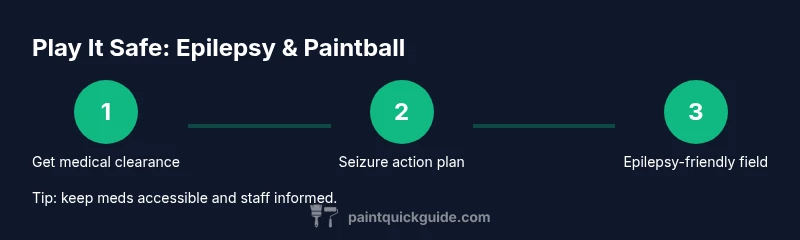
- Get medical clearance and a seizure plan before painting the field
- Choose epilepsy-friendly venues with trained staff and clear protocols
- Carry meds and a medical ID at every game
- Wear full-face protection and stay hydrated to reduce risk
- Communicate openly with staff and teammates; continuous review improves safety