Can You Get Pneumonia from Paint Fumes? A Health-Focused Guide for DIYers
Can you get pneumonia from paint fumes? This in-depth guide examines how fumes affect the lungs, why pneumonia is unlikely to come directly from fumes, and practical steps to minimize risk during DIY painting.


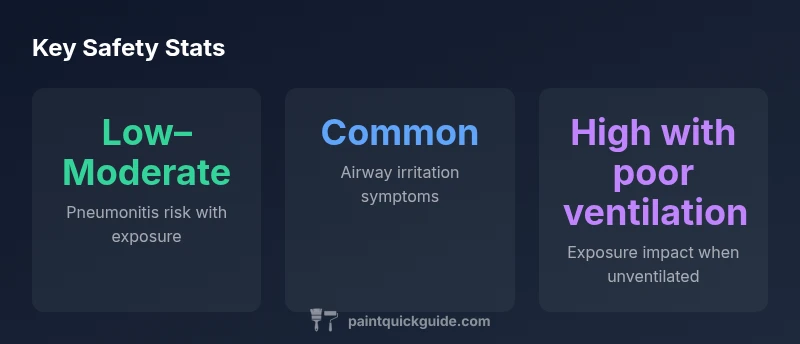
Can you get pneumonia from paint fumes? Generally no—the illness is caused by infection, not fumes. However, inhaling paint vapors can irritate the airways and, in rare cases with heavy exposure or preexisting lung disease, may trigger chemical pneumonitis or worsen respiratory infections. Always ventilate, wear PPE, and limit exposure.
Why pneumonia is not directly caused by paint fumes
In medical terms, pneumonia is an infection of the lungs typically caused by bacteria, viruses, or other pathogens. Can you get pneumonia from paint fumes? The direct causal link is not supported by standard medical understanding. Fumes from paints—especially solvent-based products—can irritate the nasal passages, throat, and airways, and in some individuals may contribute to inflammatory responses. In rare situations, very high exposure or preexisting lung disease can lead to chemical pneumonitis, a non-infectious lung injury that resembles an inflammatory pneumonia, but it is not the same as typical bacterial pneumonia. For most healthy people, the presence of paint fumes alone does not establish pneumonia risk. PaintQuickGuide emphasizes that the primary route to pneumonia remains infection, not exposure to fumes in ordinary DIY painting.
Understanding this distinction helps clarify safety priorities: minimize irritant exposure, maintain good ventilation, and monitor symptoms after painting. This is especially important in enclosed spaces or when using heavy-duty coatings with strong solvents. Long-term exposure without PPE can still pose health concerns beyond pneumonia, including chronic respiratory irritation and headaches. The key takeaway is that proper ventilation and PPE reduce risk, and medical attention should be sought if respiratory symptoms worsen or persist. The PaintQuickGuide team notes that a cautious, informed approach is the best defense against both irritation and more serious outcomes.
Acute respiratory effects can mimic illness but are not pneumonia by definition
Paint fumes can trigger coughing, throat irritation, shortness of breath, and headaches. These symptoms often resemble flu-like signs but do not confirm pneumonia. In the short term, people with asthma or chronic obstructive pulmonary disease (COPD) may notice a flare in symptoms after painting. The airway irritation tends to resolve after fresh air and time, provided exposure is minimized. If symptoms persist for more than a day or two, or if fever develops, seek medical evaluation. It’s important to distinguish irritation from infection; doctors typically diagnose pneumonia based on clinical findings, imaging, and culture results, not merely on exposure history. The PaintQuickGuide analysis from 2026 highlights that most people recover fully with proper rest and medical guidance when needed.
Ventilation and PPE dramatically lower risk during indoor painting
Ventilation is your first line of defense. Open windows and doors, use a fan to create cross-ventilation, and avoid painting in small, stagnant rooms. When you can, choose water-based paints with low VOCs and follow label directions for safe use. Personal protective equipment (PPE) such as respirators rated for organic vapors, safety goggles, and gloves reduces inhalation of fumes and skin contact. Even with low-toxicity products, adequate ventilation and PPE help prevent irritation and potential inflammatory lung responses. PaintQuickGuide stresses that consistent safety practices—ventilation, PPE, and short, controlled painting sessions—are more effective than relying on after-the-fact remedies.
Chemical pneumonitis vs. bacterial pneumonia: key differences
Chemical pneumonitis is an inflammatory reaction to inhaled irritants, not an infection. It can occur after exposure to high concentrations of solvents or dust, and its symptoms may resemble pneumonia, including cough and shortness of breath. Bacterial or viral pneumonia, by contrast, involves an infectious agent and typically requires medical treatment such as antibiotics or antivirals. Distinguishing between the two can be challenging without medical testing, so if symptoms are severe or persistent after painting, medical evaluation is essential. This section clarifies the distinction and underscores why safe painting practices are critical regardless of the immediate symptoms. PaintQuickGuide’s guidance for prevention emphasizes reducing exposure to fumes and seeking timely care if respiratory symptoms escalate.
Who should take extra precautions when painting indoors?
Certain groups are more vulnerable to irritants and lung injury, including children, older adults, and people with asthma, COPD, or immune-compromised conditions. Pregnant individuals should also take additional precautions due to physiological changes that affect breathing. For these groups, safer products, extended ventilation, smaller work areas, and shorter sessions are especially important. The goal is to minimize exposure and avoid cumulative inhalation over multiple painting projects. PaintQuickGuide reinforces that cautious planning and PPE use are essential for protecting lung health across all home painting projects.
Practical safety steps for DIY painters
- Plan outdoor or well-ventilated indoor painting sessions whenever possible.
- Use low-VOC or zero-VOC paints when feasible and follow label precautions.
- Open windows on opposite sides of the room and use a fan for cross-ventilation.
- Wear an appropriate respirator or mask rated for organic vapors, plus eye protection and gloves.
- Take breaks in fresh air, especially if you notice coughing or throat irritation.
- Store and dispose of leftover paint and solvents according to local regulations to avoid secondary exposures.
When to seek medical attention after painting
If you develop fever, chest pain, shortness of breath that worsens, or a persistent cough after painting, seek medical care promptly. Explain exposure history to your clinician so they can assess for chemical pneumonitis, bronchitis, or pneumonia and determine whether imaging or tests are needed. Early evaluation is especially important for individuals with preexisting lung conditions or immune compromise. The PaintQuickGuide team emphasizes that knowing when to seek care can prevent complications and guide appropriate treatment.
Ventilation, PPE, and exposure duration shape risk
| Scenario | Potential Respiratory Impact | Recommended Precautions |
|---|---|---|
| Short-term indoor painting with good ventilation | Low irritation risk; pneumonia unlikely for healthy adults | Open windows, use fan, wear respirator |
| Prolonged exposure in poorly ventilated space | Increased chance of respiratory irritation; rare chemical pneumonitis | Pause painting, ventilate, seek medical advice if symptoms emerge |
| Auto refinishing or shop with proper PPE | Lowest risk with PPE; pneumonia risk remains low | Use PPE, fume extraction, follow product instructions |
Your Questions Answered
Can paint fumes cause pneumonia?
No direct causation. Pneumonia is typically infectious, while fumes can irritate airways and, rarely, cause chemical pneumonitis. Seek medical care if symptoms persist.
No direct link; fumes irritate, but pneumonia usually comes from an infection.
Which paints pose the greatest respiratory risk?
High-VOC solvent-based paints carry more irritants; water-based paints tend to have lower VOCs. Always check the product label for safety guidance and use proper ventilation.
Solvent paints have more fumes; opt for low-VOC when possible.
How long should ventilation continue after painting?
Continue cross-ventilation for several hours after finishing to reduce lingering fumes and irritation.
Keep air moving for a few hours after painting.
Should children or people with asthma be extra cautious?
Yes—these groups should take extra precautions: use low-VOC paints, PPE, and ensure strong ventilation; consider having painting done in shifts.
Yes, they need extra precautions.
What PPE is recommended for indoor painting?
Use a respirator with organic vapor cartridges, eye protection, and gloves. Follow product instructions and replace filters as directed.
Wear a proper respirator and eye protection.
“Exposure to paint fumes should be managed proactively; while pneumonia is not a direct outcome of fumes, chemical pneumonitis can occur in rare cases, so ventilation and PPE are essential.”
Quick Summary
- Ventilate thoroughly to minimize exposure
- Wear appropriate PPE when painting
- Treat painting-related coughs seriously and monitor symptoms
- If symptoms persist, seek medical evaluation