Which Paint for Bathroom Walls: Practical Guide
Learn which paint best suits bathroom walls, with moisture resistance, finishes, prep steps, and maintenance tips for a durable, washable finish that lasts.


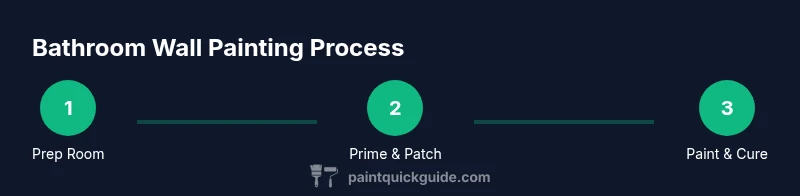
Choosing the right paint for bathroom walls is essential for durability in high humidity. The quick answer: use moisture-resistant latex paints with satin or semi-gloss sheens, paired with a mold-resistant primer. Prepare surfaces thoroughly—clean, repair, and sand—then apply two coats plus proper ventilation.
Why the Right Paint Matters for Bathroom Walls
Bathrooms are high humidity environments, with rapid temperature changes and frequent exposure to water splashes. This combination can lead to peeling, staining, and mold growth if the paint isn't up to the task. The right paint helps resist moisture, cleans up easily, and stays looking fresh for longer. According to PaintQuickGuide, the best bathroom wall paints combine moisture resistance, washability, and a mildew-resistant formula. In practice, that means selecting a paint that is specifically rated for bathrooms or kitchens, rather than generic wall paint. We'll cover moisture resistance, types of paint, finishes, and prep steps to help you pick the right product and get a durable finish that stands up to daily use. We'll also talk about common mistakes to avoid and how to maintain the finish over time.
Key Paint Types for Damp Environments
The core decision when choosing which paint for bathroom walls is selecting a formula designed to withstand moisture, humidity, and frequent cleaning. Here are the main options and how they perform in bathrooms:
- Latex/acrylic emulsions (water-based): Best balance of durability, low odor, easy cleanup, and color retention. Modern bathroom options are designed to resist mildew when the formula is moisture-rated.
- Enamel (oil-based or alkyd): Very durable and hard-wearing, with a hard finish that resists moisture well, but longer cure times and stronger odor. For bathrooms, water-based enamels are increasingly common because they combine durability with easier cleanup.
- Epoxy or specialty moisture-resistant coatings: Extremely durable and cleanable, often used near showers or tub surrounds. They require careful surface prep and compatible primers, and are typically used by professionals in high-traffic wet areas.
- Primer-compatible formulas: Some products include built-in primers or are designed to pair with specific primers for maximum adhesion and moisture resistance. When evaluating options, look for terms like “bathroom,” “moisture resistant,” “mildew resistant,” and “washable.” For most homes, a high-quality moisture-resistant latex or enamel (water-based) is the practical choice that balances performance and ease of maintenance.
Finishes: What Sheen Works Best in Bathrooms
Finish choice affects washability, mold resistance, and how well the surface hides imperfections. In bathrooms, you’ll typically want a finish that’s washable and moisture-tolerant:
- Matte/flat: Not ideal for bathrooms due to lower washability; may trap moisture and show water spots.
- Eggshell: A step up in washability, decent for low-traffic bathrooms or powder rooms.
- Satin: A popular choice for bathroom walls; balances washability with a softer look. Provides a good moisture barrier when applied properly.
- Semi-gloss: Highly washable and moisture-resistant; best for areas around sinks, trim, and walls near showers, where humidity and splashes are common.
- High-gloss: Very durable but visually stark; rarely used for entire walls in residential bathrooms, except for accents or tiles. Tip: In damp rooms, semi-gloss or satin are usually the best compromise between durability and aesthetics. Matte finishes can fail faster if moisture is persistent.
Surface Prep and Primers to Use
Preparation is the unseen factor that determines how long a bathroom paint job lasts. Follow these steps to ensure boards, drywall, and plaster accept the finish:
- Clean walls thoroughly to remove soap scum, oils, and mildew spores. A mild detergent solution with a scrub brush often works well, followed by rinse and dry.
- Repair cracks and imperfections with suitable patching compounds. For textured surfaces, knock down high spots before priming.
- Remove loose paint and lightly sand glossy areas to improve adhesion. Wipe away dust with a damp cloth.
- Apply a mold- and moisture-resistant primer if surfaces are new, have stains, or previously blocked odors. If walls show heavy mildew, treat with a mildewcide cleaner and allow to dry fully.
- Choose a compatible primer for your topcoat: oil-based primers pair with oil-based enamels, while water-based primers suit latex or acrylic topcoats. This enhances adhesion and helps prevent peeling over time.
Application Techniques: How to Apply Paint to Bathroom Walls
Applying bathroom paint properly reduces the risk of peeling and ensures even coverage:
- Tape and protect: Use painter’s tape along trim and fixtures, and lay drop cloths over floors.
- Cut in first: Use an angled brush to paint along edges and ceiling lines to create a clean boundary.
- Roll with care: Use a quality roller (9-inch, medium nap) for larger areas. Apply in overlapping W-shaped strokes, then fill in without dragging.
- Apply coats: Start with a thin, even first coat; let it dry fully per product directions, then apply a second coat for even color and moisture resistance.
- Allow ventilation: Keep the room ventilated during and after painting to reduce fumes and help moisture escape as the paint cures.
- Final inspection: Look for missed spots, drips, or lap marks; touch up promptly to maintain a uniform finish.
Common Pitfalls and How to Avoid Them
Avoid these mistakes that commonly plague bathroom paint projects:
- Skipping prep: Skipping cleaning, patching, or priming undermines adhesion and durability.
- Choosing the wrong sheen: Too-flat finishes peel or stain easily in humid spaces; choose satin or semi-gloss for walls near water.
- Inadequate ventilation: Humidity slows drying and encourages mildew growth; ensure good airflow during and after painting.
- Ignoring surface moisture: If walls are damp, fix leaks and dry thoroughly before painting; moisture can trap undercoats and cause blistering.
- Overloading the roller: Too much paint creates drips and uneven coats; apply thin, even layers and allow proper drying time between coats.
Maintenance and Longevity
To keep bathroom walls looking fresh:
- Clean with mild, non-abrasive cleaners to avoid dulling sheen or scratching the surface.
- Avoid harsh solvents that can damage coatings; use gentle cleaners and a soft cloth.
- Inspect regularly for signs of moisture intrusion or mildew around high-humidity zones; address issues promptly to protect the finish.
- Repaint as needed: bathrooms typically require re-coating after several years, or sooner if humidity is high or surfaces are frequently splashed.
- Re-seal trim and corners when you notice peeling or cracking; this helps maintain a solid moisture barrier.
Quick Start Checklist for Your Project
- Confirm moisture-resistant latex or enamel for walls.
- Gather primer, patching compound, sandpaper, brushes, rollers, tape, and drop cloths.
- Prepare room: clear items, protect floor, and ensure ventilation.
- Prep walls: clean, patch, sand, and prime as needed.
- Plan two coats with adequate drying time between coats.
- Regularly inspect and maintain the finished surface.
Tools & Materials
- Moisture-resistant bathroom wall paint (latex/satin or semi-gloss)(Look for bathroom/kitchen or moisture-resistant labeling)
- Primer (mildew-resistant, moisture-sealing)(Choose based on topcoat type)
- Patching compound(For cracks and holes)
- Putty knife(For applying patching compound)
- Sandpaper (120-220 grit)(Smooths surfaces for adhesion)
- Painter's tape(Edge protection around trim)
- Drop cloths or plastic sheeting(Protect floors and fixtures)
- Paint tray and liners(Efficient coating and cleanup)
- Roller frame and 9-inch roller cover (3/8-1/2 inch nap)(For large wall areas)
- Angled brush (2-3 inches)(Cutting in edges and corners)
- Sponge or rags(Clean spills and wipe surfaces)
- Mild detergent solution(Wall cleaning prep)
- Ventilation fan or open window(Good air exchange during paint cure)
- Respirator or disposable mask(Reduce inhalation of fumes)
- Water bucket(Cleanup and wetting sponge)
Steps
Estimated time: 3-5 hours plus drying time between coats
- 1
Prepare the room and protect surfaces
Move furniture and fixtures out of the room or into the center. Cover floors and any remaining items with drop cloths. Remove switch plates and outlet covers to reduce risk of splatters.
Tip: Secure cloths with tape to prevent slipping and create a clean workspace. - 2
Inspect walls and repair
Check for cracks, holes, and damp spots. Fill with patching compound, smooth, and let dry completely before sanding.
Tip: Use a damp rag to remove dust after sanding to prevent dust particles from ruining primer. - 3
Clean and degloss surfaces
Wash walls with a mild detergent solution to remove oils, soap residue, and mildew spores. Rinse and allow to dry fully.
Tip: If mildew is present, treat with a mildew cleaner and ensure the area dries thoroughly. - 4
Lightly sand glossy areas
Sand any glossy patches to improve adhesion of primer. Wipe off dust with a damp cloth and let dry.
Tip: Avoid over-sanding; you want a key, not a bald surface. - 5
Prime moisture-prone areas
Apply an appropriate primer for bathrooms, focusing on areas near sinks and showers. Allow primer to dry per product directions.
Tip: If covering dark stains, consider a stain-blocking primer. - 6
Cut in around edges
Use an angled brush to paint along ceiling lines, corners, and around trim with steady, even strokes.
Tip: Outline at least 12-18 inches from edges to minimize brush drag. - 7
Roll the first coat
Apply the first coat with a quality roller in even, overlapping strokes. Work in sections and maintain a wet edge to avoid lap marks.
Tip: Do not overload the roller; a thin, even coat yields better adhesion. - 8
Apply second coat and assess finish
After the first coat dries, apply a second coat for uniform color and moisture resistance. Inspect for missed spots and touch up as needed.
Tip: Use natural light to spot finish irregularities. - 9
Ventilate and cure
Keep the space ventilated during drying. Avoid heavy use until the finish has fully cured as per manufacturer guidance.
Tip: Open a window and run a fan to speed moisture dissipation.
Your Questions Answered
Do I need a special primer for bathrooms?
Yes. A mold- and moisture-resistant primer improves adhesion and helps block mildew in high-humidity spaces. For areas near showers, choose a primer designed to seal moisture effectively.
Yes. Use a mold- and moisture-resistant primer to improve adhesion and prevent mildew in damp bathrooms.
Can I use matte paint in a bathroom?
Matte finishes are less washable and more prone to moisture damage. They can work in low-humidity bathrooms; otherwise, choose satin or semi-gloss for durability.
Matte can look nice but isn’t ideal in damp bathrooms; choose satin or semi-gloss for durability.
What sheen should I use on bathroom walls?
Satin or semi-gloss sheens are generally best for bathrooms due to better washability and moisture resistance. Choose based on preference for sheen vs. hiding imperfections.
Satin or semi-gloss is usually best for bathrooms to resist moisture and be easy to clean.
Is epoxy paint suitable for bathrooms?
Epoxy coatings are highly durable and water-resistant but require careful surface prep and professional application for best results. They’re typically used in high-wet areas or showers.
Epoxy can work in bathrooms but is more complex to apply; better for wet zones or professional use.
How long does bathroom paint take to dry between coats?
Drying times vary by product and humidity, typically 4-6 hours between coats in a well-ventilated bathroom. Always follow the manufacturer's guidance on the can.
Most bathroom paints dry in a few hours between coats, but check the label for exact times.
Should I repaint the ceiling and walls together?
If the ceiling shows staining or moisture, repaint it with the same moisture-resistant product to ensure uniform durability and prevent peeling.
If the ceiling shows moisture or staining, repaint it with matching bathroom paint for a uniform finish.
Do premium brands offer better bathroom performance?
Premium brands often deliver better coverage, washability, and milder odors, but with diminishing returns beyond a certain point. Choose a reputable product labeled for bathrooms.
Premium brands can offer better washability and odors, but pick a bathroom-rated formula from a trusted line.
How should I clean painted bathroom walls?
Use a mild detergent and soft cloth or sponge. Avoid abrasive scrubbers that can dull the finish, especially on satin or semi-gloss surfaces.
Clean with a mild detergent and soft cloth; avoid harsh scrubbers to protect the finish.
Watch Video
Quick Summary
- Choose moisture-resistant latex for durability.
- Opt for satin or semi-gloss sheens for bathrooms.
- Prepare surfaces thoroughly for best adhesion.
- Prime moisture-prone areas before topcoating.
- Ventilate during drying to reduce fumes and mold risk.