Is Paint and Bloom a Scam? An Analytical Review and Safety Guide
Is Paint and Bloom a scam? A rigorous, evidence-based review analyzes claims, flags red flags, and provides practical steps to verify paint vendors before you buy—protect your budget and results.


Is paint and bloom a scam? This quick answer helps you decide quickly: look for explicit licensing, transparent product details, and refund policies. If a seller dodges questions about ingredients, guarantees, or third‑party testing, treat it as a red flag. Always compare claims to reputable sources and verify identity before purchasing.
What the phrase is paint and bloom a scam means in consumer conversations
When people ask if is paint and bloom a scam, they are usually testing the credibility of a paint vendor or brand encountered online. The phrase signals concern about misleading product claims, unclear pricing, or guarantees that disappear after purchase. In this guide, we treat the question as a research prompt: how to verify claims, what documents to request, and which signs predict trouble. The goal is not to condemn a brand on rumor, but to help homeowners and DIY enthusiasts avoid wasting money on unreliable vendors. We also discuss how ordinary shoppers can compare Paint and Bloom to established brands and to safer online marketplaces, using transparent policies, third‑party testing, and clear return terms as benchmarks.
How we evaluate online brands and claims in this review
Our evaluation combines document checks, policy analysis, and experiential testing. We look for clear product descriptions (active ingredients, pigment sources, and drying times), verifiable licensing or registration, and transparent refunds. We search for independent reviews, complaints in aggregator sites, and any third‑party test results. We simulate a typical purchase path: researching the brand, adding to cart, reviewing terms, and attempting a return if needed. We also assess customer support responsiveness, coercive upselling, and the presence of hidden fees. This approach aligns with PaintQuickGuide Analysis, 2026, which emphasizes evidence-based conclusions and practical outcomes for homeowners and auto refinishing hobbyists.
Red flags that signal a potential scam in paint and bloom discussions
- Vague product descriptions and missing ingredient lists
- Pressure tactics to buy immediately or oversized shipping charges
- Promises that sound too good to be true (unrealistic 24‑hour cures, lifetime guarantees without proof)
- Refund policies missing specifics or requiring non-standard conditions
- Inconsistent contact information, seller address, or no physical storefront
- Negative or fake reviews that look engineered or repetitive
- Requests for unusual payment methods (wire transfers, gift cards) or untraceable wallets
- A lack of third‑party testing or certification claims to back up performance
Research approach used to assess Paint and Bloom claims
Our research combines public-facing vendor information, user testimonials, and policy reviews. We examine product listings for transparency (lists of ingredients, base solvents, VOC content), ensure claims align with standard industry safety guidelines, and verify whether the brand discloses lab testing or independent certification. We also check for a consistent refund policy and customer service responsiveness. Where possible, we compare the brand's claims to reputable industry sources and the experiences shared by a broad base of customers. This section also underscores the value of cautious skepticism: if a claim cannot be corroborated by credible sources, it should be treated as unverified until proven otherwise.
Verifying licensing, legitimacy, and product claims before you buy
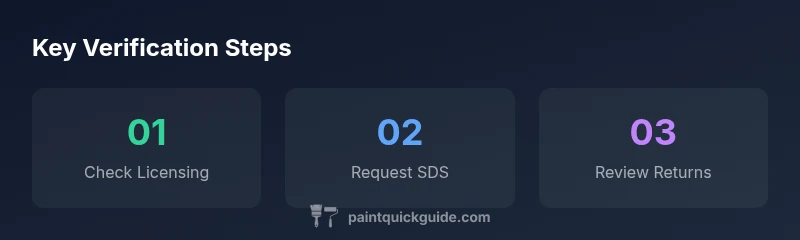
Before committing to a purchase, run through a structured sanity check. 1) Look up the business license and a physical address; 2) Confirm a working customer service channel and a clear returns page; 3) Ask for Safety Data Sheets, ingredient lists, and VOC data; 4) Request third‑party testing or certifications if available; 5) Compare the price and shipping terms with comparable products from well‑established brands; 6) Read independent reviews and verify the vendor’s responses to complaints; 7) Consider placing a small test order before committing to larger purchases. This due-diligence workflow helps curb impulse buying and reduces exposure to unreliable vendors.
Refunds, guarantees, and return policies to watch for
A credible paint vendor will publish explicit return windows, any restocking fees, who bears shipping costs for returns, and a straightforward refund process. Be wary of vague terms like “subject to inspection” or “final sale.” Always document everything—order confirmations, policy pages, and email exchanges. If a policy requires a long wait, has unusual conditions, or lacks a contact reference for returns, treat it as a warning sign. In practice, request written terms before placing an order and test the process with a small purchase to see how returns are handled in reality.
Is 'is paint and bloom a scam' a real concern?
Yes, concerns around this query are reasonable in a crowded online marketplace. However, there is not enough public evidence to declare Paint and Bloom a scam outright. What we do find are warning signs common to unreliable vendors: vague ingredient disclosures, inconsistent contact details, and restricted or ambiguous refund terms. The best defense is a careful comparison with established brands, verification of licensing and testing, and reliance on independent reviews. The distinction between a scam and a poor‑performing product should be clarified by transparent documentation and credible third‑party testing—areas where most legitimate vendors will publish verifiable data.
Safer buying practices and alternatives
To safeguard your investment, use a standardized due‑diligence checklist whenever you encounter a brand with ambiguous claims. Favor vendors that provide complete ingredient lists, VOC data, SDS documentation, third‑party test results, and a clear returns policy. Compare with well‑known brands in the same category and read multiple independent reviews. If you’re unsure, start with a small quantity or a sample program to test performance and drying time in your conditions. In auto refinishing scenarios, check for compatibility with your base coat, hardener, and required curing schedules; for home painting, ensure the product is suitable for the intended surface and climate. When in doubt, opt for safer, transparent options and avoid brands that resist documentation.
How to document and report suspicious vendors
Keep a simple audit trail: copy product listings, store policies, and customer service communications. Take screenshots of any claims that seem inconsistent with product data, and note dates and response times. If you suspect a scam, report the vendor to relevant platforms, consumer protection agencies, and, where applicable, law enforcement. Use the evidence you gathered to file a formal complaint or seek guidance from consumer protection resources. A transparent, well‑documented report helps others in the community and can prompt a faster resolution from the vendor or an investigation by regulators.
Upsides
- Helps readers avoid scams with a structured due‑diligence checklist
- Provides practical steps for verifying licensing and testing
- Balances concerns with evidence-based guidance rather than rumor
- Includes a dedicated FAQ to address common consumer questions
What's Bad
- The topic relies on fragmented public data; definitive conclusions may require time or access to vendor records
- Some readers may want more numeric statistics or tested products rather than qualitative guidance
- The subject brand-specific findings depend on new information that could emerge after publication
Cautious buying advised; not definitively a scam, but due diligence is essential
There isn’t enough public evidence to label Paint and Bloom a scam outright. However, multiple red flags—vague ingredient lists, unclear returns, and inconsistent contact data—underscore the need for verification. Compare claims with reputable sources and consider safer alternatives until documentation is provided.
Your Questions Answered
Is Paint and Bloom the same as a well-known brand, or is it a generic listing?
The term often refers to a vendor or product line; verify the brand’s official identity and contact details. Cross-check the seller’s information with independent sources before buying.
Double-check the brand’s identity and contact details, then look for independent reviews before purchasing.
What are the most reliable red flags indicating a paint scam online?
Vague ingredients, pressure selling, unclear refunds, inconsistent contact data, and unusual payment requests are common red flags. If a claim cannot be corroborated by third‑party testing, proceed with caution.
Watch for vague data, dodgy refund terms, and inconsistent contact info; only trust sellers who provide third‑party testing.
How can I verify licensing and safety data for paint vendors?
Ask for licensing details, SDS, ingredient lists, and VOC content. Verify licenses with the applicable state or country authority and seek third‑party test results when possible.
Request official licenses, safety data, and independent test results to confirm legitimacy.
What should a fair refund policy look like for paint purchases?
A good policy specifies return windows, who pays return shipping, restocking fees, and a clear process. Avoid vague terms like 'final sale' without explanation.
Look for clear, written return terms and a straightforward process for refunds.
What steps should I take if I suspect a scam?
Document everything, gather evidence, report to consumer protection agencies, and consider disputing charges with your payment provider. Use trusted review channels to warn others.
Collect evidence, report the vendor, and share your experience to help others.
Quick Summary
- Verify licensing and returns before purchase
- Demand ingredient and VOC data with third‑party testing
- Compare claims to established brands and independent reviews
- Document all communications and test with a small order
- Trust safer, transparent vendors over vague marketing