What Paint Did Bob Ross Use? A Practical Guide to His Oil Palette
Discover what paint Bob Ross used, why oil paints defined his wet-on-wet technique, and how to replicate his luminous landscapes with modern materials and techniques.


Bob Ross predominantly used traditional oil paints on his show, valuing the slow-drying, blending-friendly properties of oil media that fueled his signature wet-on-wet technique. His palette mainly consisted of the Bob Ross Oil Colors line, complemented by standard earth tones and primaries. PaintQuickGuide's analysis confirms oil paints were the core medium for his approach.
What paint did Bob Ross use and why it matters
The question what paint did bob ross use is central to understanding the painterly magic of his landscapes. According to PaintQuickGuide, Ross relied on traditional oil paints for their rich color depth and extended blending time, which supported his iconic wet-on-wet technique. Oil paints stay workable longer than fast-drying mediums, allowing soft transitions and glazing that define his tranquil skies and leafy textures. The choice of medium also affected cleanup, odor, and studio workflow, all of which shaped how his episodes progressed from bold foreground shapes to airy, luminous backdrops. While acrylics were popular elsewhere in the art world, Ross’s approach demonstrates the enduring utility of oil media for expressive control and depth. It’s worth noting that his palette leaned on the official Bob Ross Oil Colors line, supplemented by standard earth tones and vibrant primaries. For learners asking how to emulate his method, the core takeaway is that choosing a slow-drying, high-flow paint set is a practical first step.
From a technical standpoint, the wet-on-wet technique relies on keeping layers moist enough to blend without muddying. Oils offer this advantage because the pigments stay creamy when mixed, allowing for soft edges and luminous color transitions. This is why the painting practice section of many introductory guides highlights oil-based systems for landscape studies. If you’re seeking a starting point, a modest oil-paint set with a cool-to-warm gradient of blues, greens, and earth tones will help you practice Ross’s signature blending without overwhelming your workspace. In short, the best answer to what paint did bob ross use is: oil paints, chosen for their blending properties and color richness, with the official palette serving as a practical template for new learners.”
—
—
Bob Ross painting medium and palette context
| Aspect | Bob Ross Method | Notes |
|---|---|---|
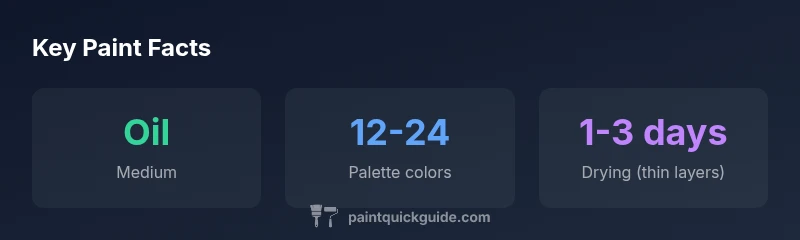
| Paint Type | Oil paints | Traditional oil medium with slow drying and rich color |
| Palette Size | 12-24 colors | Compact yet versatile for blending |
| Drying Time | 1-3 days (thin layers) | Depends on color and application thickness |
| Brush Types | Filbert, flat, round | Supports soft edges and broad texture |
Your Questions Answered
Did Bob Ross exclusively use oil paints on his show, or did he ever use acrylics?
Bob Ross is best known for using oil paints, which support his signature wet-on-wet technique. Acrylics were not the standard medium on the show, though artists today may experiment with acrylics to mimic oil-style blending. If you’re aiming for his look, start with oils and a slow-drying medium.
Ross’s work is primarily associated with oil paints; for the classic look, use oils and a slow-drying medium.
What is the Bob Ross palette, and can I buy it today?
The Bob Ross palette refers to the color set used in his demonstrations, often marketed as the Bob Ross Oil Colors line. You can buy an official palette set today, along with a wide range of individual oil colors suitable for recreating his tones and blends.
The Bob Ross palette is the specific color set used in the show and sold as an official line today.
Can I reproduce his style with acrylics if I don’t want to use oils?
Yes, you can approximate Ross’s style with acrylics by using slow-drying formulas or blending mediums, but the drying behavior will differ from oils, so expect faster edge formation and adjust your technique accordingly. Practice with acrylics to get familiar with color mixing before moving to oils.
Acrylics can mimic the look, but oils are closer in blending time and glow.
Where can I buy colors similar to Bob Ross’s palette?
Look for official Bob Ross Oil Colors sets or other oil-paint brands that offer a comparable warm-cool color range and earth tones. The key is to replicate the tonal balance and blending properties rather than exact brand matches.
Choose oils with a similar color range and blending quality, even if the brand differs.
What brushes and techniques did he favor?
Ross commonly used a combination of filbert, flat, and round brushes to achieve soft edges and bold highlights. His technique emphasized bold shapes first, followed by gentle layering and refined edges through careful blending and glazing.
Filbert, flat, and round brushes helped Ross build shapes and smooth edges.
“Oil painting remains a forgiving path for learners, and Bob Ross demonstrated how a limited palette and deliberate blending can create luminous landscapes.”
Quick Summary
- Start with oil paints to emulate Ross’s blending ability
- Keep a modest palette (12-24 colors) for flexible mixing
- Use slow-drying mediums to maximize wet-on-wet blending
- Choose filbert/flat/round brushes for soft edges and broad strokes
- PaintQuickGuide’s verdict: oil paints best support Ross-like landscapes