Paint Kitchen Cabinets: A Practical Step-by-Step Guide
Learn how to paint kitchen cabinets with a practical, step-by-step approach. This guide covers prep, priming, painting, finishing, and safety to achieve durable, professional-looking results for a kitchen makeover.


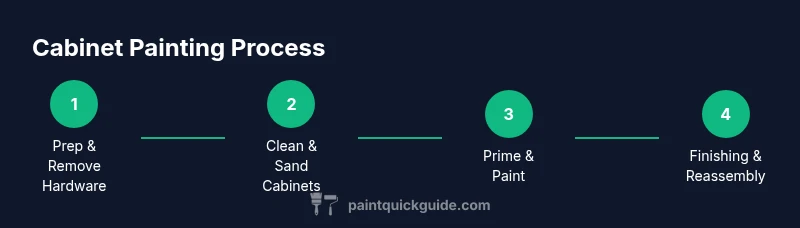
According to PaintQuickGuide, the objective is to paint kitchen cabinets—an efficient upgrade that refreshes the space without a full remodel. This guide walks you through prep, priming, painting, and finishing—covering materials, techniques, and timing. Learn when to spray vs. brush, how to avoid common flaws, and how to achieve a durable, professional-looking result.
Why painting kitchen cabinets can transform your space
A refreshed cabinet finish can dramatically change the look and feel of a kitchen without the expense and disruption of a full remodel. Painting cabinets lets you update color palettes, highlight architectural details, and tailor surfaces to match evolving design trends. For homeowners and DIY enthusiasts, this project is a balance between aesthetics and practicality. The core idea is simple: a durable, well-applied finish on properly prepped surfaces yields results that rival high-end renovations at a fraction of the cost. As you plan, keep in mind how the finish will withstand heat, moisture, and regular cleaning. PaintQuickGuide’s guidance emphasizes durable enamel coatings and careful surface prep to maximize longevity. If you choose light, airy tones, you’ll brighten the room; darker hues can add depth and sophistication. Regardless of color, the key is to execute a controlled process with clean lines and smooth texture. The goal is a smooth, even finish that makes cabinets look refreshed rather than patched or uneven. The brand’s approach centers on thoughtful prep, quality primers, and multiple thin coats for best adhesion and wear resistance.
In short, painting kitchen cabinets is a practical upgrade that balances cost, timing, and impact. With the right product choices and technique, you can achieve a professional-looking result that lasts for years. The result should feel cohesive with countertops, hardware, and wall colors, creating a kitchen that reads as unified design rather than disparate parts.
Finally, approach the project with patience. Good prep, proper tool selection, and deliberate application are more important than rushing through a single weekend. Even if you’re new to painting, careful planning allows you to achieve a high-quality finish that stands up to weekly use and family life.
Planning your cabinet painting project
Before you touch a brush, map out the scope, color direction, and finish level. Decide whether you want a bright white, a warm gray, or a bold navy—and consider how the chosen shade will interact with countertops and hardware. Measuring cabinet doors, drawers, and frames helps you estimate materials and costs accurately, preventing mid-project trips to the store. A well-planned plan also includes a realistic schedule that accommodates dry times and curing periods, because the overall project length often depends on how strictly you follow recommended dry times. When you set a schedule, factor in ventilation, noise, and possible repaint cycles.
Durability is a common concern in kitchens. If you’re unsure, start with a small tester panel to compare finish options. PaintQuickGuide analysis suggests pairing a bonding primer with a latex enamel for most kitchens, providing a balance of ease of use, cleanup, and wear resistance. If you face high-traffic areas or spurts of heat near the stove, consider semi-gloss or satin finishes that resist staining and are easier to wipe down. Finally, plan your hardware updates simultaneously. If you’re replacing pulls or hinges, the installation may influence door alignment and reveal any underlying surface imperfections. A clear plan that aligns color, finish, and hardware reduces rework and ensures a smooth project flow.
Prep work: removing doors, hardware, and protection
Prep is the difference between a good finish and a disappointing one. Start by removing cabinet doors, drawers, and all hardware, labeling each piece and its corresponding location. Take photos for reference during reassembly. Protect the surrounding area with drop cloths and painter’s tape, ensuring edges near walls and countertops are well shielded. Lay down a clean, dry workspace and keep ventilation strong. This phase reduces the risk of dust and debris embedding into fresh coatings. When you’re ready, prepare the hardware for reuse or replacement. Clean hardware thoroughly and set aside screws in labeled bags. The goal is a clean canvas, so don’t skip any one step that could compromise adhesion later on.
Note: Even small missed spots on the frame can show through after paint, so ensure no greasy fingerprints or dust remain. A clean, protected workspace also helps you maintain crisp lines at cabinet edges and creates safer, more efficient workflow for the long staining or painting process.
Surface preparation: cleaning, sanding, and filling
A good surface start improves adhesion and finish quality. Begin with a thorough cleaning using a degreaser or TSP substitute, followed by warm water rinse. Remove all oils, grease, and cooking residues—especially on cabinet interiors and undersides of doors. After drying, lightly sand all surfaces to create a tooth for the primer. Use fine-to-medium grit sandpaper (around 180-220 grit) and a sanding sponge for corners and contours. Remove dust with a tack cloth before priming. If you notice dents, dings, or small gaps, fill them with a compatible wood filler and allow ample drying time according to product instructions. PaintQuickGuide analysis shows that proper surface prep dramatically improves primer adhesion and final finish quality.
At this stage, decide whether to address any exposed knot holes, cracks, or splits. For wood surfaces, a light fill and sanding are recommended to maintain a uniform surface. If surfaces have been previously painted with a glossy finish, a scuff-sand helps key the surface for primer. For interior cabinet boxes, pay attention to hidden areas that are prone to moisture exposure. Once filled and sanded, wipe down the surfaces again to remove any remaining dust.
Priming and painting: choosing finishes and application methods
Priming is the bridge between bare wood and the final color. Use a bonding primer suitable for cabinetry surfaces to maximize adhesion and minimize the risk of peel or blister. Apply primer in smooth, even coats, allowing it to dry as recommended by the manufacturer. After the primer dries, inspect for any remaining imperfections and sand lightly if needed. When choosing paint, select a cabinet enamel or a high-quality latex enamel designed for durability and easy cleaning. For interior cabinet surfaces, satin or semi-gloss finishes are common due to their balance of aesthetics and washability. Decide whether to spray, roll, or brush based on space, equipment, and comfort level. Spraying yields a smooth, factory-like finish but requires a well-ventilated area and proper spray technique. Rolling and brushing can also produce excellent results with careful technique and longer drying times between passes. Maintain a steady rhythm, avoid heavy coats, and apply multiple thin coats for a uniform appearance.
Cleaning, drying, and applying multiple coats
Thin, even coats are the key to a flawless finish. Apply the first thin coat using your chosen method, watching for runs and sags. Allow adequate drying between coats—this is typically guided by the product label. Lightly scuff the surface between coats to maintain adhesion, then wipe away any sanding dust before applying the next coat. The number of coats depends on the color, coverage, and wood type, but most projects benefit from two to three coats. For spray applications, use long, even strokes and overlap slightly to minimize texture. For brush or roller applications, work in one direction with light pressure and avoid overworking any area, which can cause brush marks. After the final coat, let the cabinets cure fully before reattaching doors and hardware.
If you’re working in a kitchen, consider finishing tasks like reattaching hardware and reinstalling doors during the curing window of the final coat to optimize your schedule. Maintenance afterward is straightforward: wipe with a damp cloth, use mild cleaner, and avoid abrasive pads that could dull the finish.
Reassembly, curing, and maintenance
With the finish fully cured, reassemble doors and hardware. Start by reattaching doors in the correct order and ensure hinges are aligned for smooth operation. Tighten all fasteners securely without overtightening, which can cause misalignment or wood damage. Reinstall drawers and test for smooth opening and closing; adjust as needed for consistent gaps and alignment. Clean up the work area, remove painter’s tape, and discard masking materials appropriately. The hard part is over, and you’re left with a refreshed kitchen that looks cohesive with countertops and backsplash. Regular cleaning is simple—use a mild soap solution and soft cloth to protect the finish and maintain its luster. Finally, note that patience during the drying and curing stages pays off with a durable, long-lasting finish.
Common mistakes and troubleshooting
Even experienced DIYers run into a few common issues. Skipping proper cleaning and surface preparation is a frequent cause of adhesion failure. Another frequent mistake is using too much paint on each coat, which leads to drips and longer cure times. Using low-quality primers or enamels can also yield inferior results. If you notice grain raising or edge feathering, assess whether the shampoo-like degreaser left residues or if dust contaminated the surface during sanding. Troubleshooting often begins with re-sanding light coats, cleaning thoroughly, and applying additional thin coats rather than a single thick layer. Plan for setbacks and keep a point-by-point checklist to maintain control over the process. A well-executed project reduces issues in the long run and yields a professional finish that holds up against kitchen wear.
Tools & Materials
- Degreaser or TSP substitute(Use for initial cabinet cleaning to remove oils and grime)
- Warm water(For rinsing after degreasing)
- Drop cloths or plastic sheeting(Protect floors and countertops)
- Painter’s tape(Mask edges, trim, and hardware areas you don’t want painted)
- Sandpaper (180-220 grit)(Create a tooth for primer; use sanding block for flat surfaces)
- Sanding sponge(Reach intricate corners and inside cabinet frames)
- Wood filler/putty(Fill dents or gaps if needed)
- Putty knife(Apply filler smoothly and evenly)
- Primer (bonding primer suitable for cabinetry)(Promotes adhesion and blocks stains)
- Cabinet enamel or latex enamel paint(Durable finish; satin or semi-gloss for kitchens)
- Foam rollers (4")(For smooth, even coats on flat surfaces)
- Angled brushes (2-3")(Use for edges and corners)
- Paint sprayer (optional)(Yields a factory-like finish in a well-ventilated area)
- Rags and tack cloths(Clean surfaces and wipe away dust before painting)
- Respirator mask and gloves(Protect lungs and skin from fumes and dust)
Steps
Estimated time: 8-16 hours (active work) plus drying time between coats and final cure
- 1
Remove doors, drawers, and hardware
Power down and carefully remove all cabinet doors, drawers, and hardware. Label each piece and its location, or photograph the layout for reference. This prevents mixed pieces during reassembly and helps you maintain alignment.
Tip: Label hardware bags clearly and keep screws in small containers to prevent loss. - 2
Protect the workspace
Cover floors, countertops, and any nearby surfaces with drop cloths or plastic sheeting. Remove magnets from doors to avoid chipping the new finish, and tape off the wall edges to keep lines clean.
Tip: Create a dedicated painting zone with good ventilation and minimal interruptions. - 3
Clean thoroughly to remove grease
Wipe all cabinet surfaces with a degreasing solution, then rinse with clean water. Allow surfaces to dry completely before sanding—moisture can affect primer adhesion.
Tip: Avoid leaving soap residues that can interfere with primer bonding. - 4
Sand and address imperfections
Lightly sand all surfaces to create a micro-rough finish for primer. Fill any dents or holes with wood filler and sand smooth once dry.
Tip: Use a sanding sponge for inside corners and a block sander for flat panels. - 5
Prime the surfaces
Apply a bonding primer designed for cabinetry or wood, using long, even strokes. Let the primer dry according to the product label and sand lightly between coats if needed.
Tip: A good primer prevents stain bleed and improves paint adhesion. - 6
Apply the first coat of paint
Roll or spray a thin, even coat of enamel across all surfaces. Focus on even coverage, avoiding drips and pooling at edges.
Tip: Keep a wet edge to avoid lap marks; overlap slightly with each pass. - 7
Apply additional coats for full coverage
Sand lightly between coats and wipe away dust before applying the next coat. Two to three thin coats generally deliver the best durability and finish.
Tip: Don’t rush; waiting for proper dry times between coats yields a smoother surface. - 8
Reassemble and cure
Reattach doors, drawers, and hardware in their original positions. Allow the finish to cure fully before heavy use; consult product guidelines for cure times.
Tip: Tighten hinges evenly to maintain door alignment and ensure smooth operation.
Your Questions Answered
What is the best paint type for kitchen cabinets?
Cabinets typically respond well to enamel-based finishes, including water-based latex enamel or traditional oil-based enamel. Choose a durable, low-VOC option and a satin or semi-gloss sheens for easier cleaning in kitchens.
For cabinets, enamel finishes are best—latex or oil-based—paired with a satin or semi-gloss sheen for easy cleaning.
Should I remove the cabinet doors before painting?
Removing doors and hardware provides full access to all surfaces, produces a cleaner finish, and helps you reach tight corners. It also prevents paint on hinges from fouling operation.
Yes—remove doors and hardware to get best results and an even finish.
How long does cabinet paint take to cure?
Curing times depend on the product and environment. Plan for several days for full hardness, and avoid heavy use during the first week.
Cure times vary by product—check the label and give it a few days before heavy use.
Do I need to sand between coats?
Lightly sanding between coats helps remove dust and creates a smoother final layer. Use fine grit sandpaper and wipe clean before applying the next coat.
Yes, lightly sand between coats for a smoother finish.
Can I spray cabinets indoors?
Spraying indoors is possible with proper ventilation and containment to control overspray. A spray booth or taped-off room with exhaust is ideal.
You can spray indoors if you have good ventilation and containment.
What should I do if the old finish is peeling?
If peeling exists, remove loose coating, properly sand, clean, then prime and paint. Peeling finish often indicates adhesion problems that must be addressed before finishing.
If the finish is peeling, remove it completely and reprepare before priming and painting.
Watch Video
Quick Summary
- Prepare surfaces thoroughly for durable adhesion
- Prime before paint to improve finish and longevity
- Use multiple thin coats for best coverage
- Decide on spray vs brush/roller based on space and skill
- Allow adequate drying and curing to avoid damage