Paint and Pour NYC: A Practical How-To Guide for DIY Artists
Learn a practical step-by-step method to paint and pour in NYC. This PaintQuickGuide tutorial covers prep, materials, safety, technique, cleanup, and budgeting for DIY artists.


Master a city-friendly, step-by-step approach to paint and pour in NYC. This guide covers prep, materials, ventilation, and cleanup, tailored for apartments and studios. Whether walls or acrylic pours, follow the plan, ensure proper safety, and budget for supplies. See the full step-by-step guide to start today.
What is paint and pour NYC?
Paint and pour NYC blends acrylic pouring techniques with bold color storytelling, adapted for the city’s compact spaces. The goal is to create fluid, layered designs that emphasize depth and movement while keeping cleanup feasible in apartments or small studios. For city dwellers, the process emphasizes surface prep, ventilation, and efficient use of materials. PaintQuickGuide’s approach focuses on practicality, cost awareness, and safety so you can achieve professional-looking results without needing a full studio in Manhattan or a remote suburb. When you hear paint and pour nyc, think of a guided method that respects urban living while delivering vibrant, gallery-worthy finishes.
Key Consider for NYC Spaces
In NYC, space, ventilation, and noise can influence your choice of surfaces and drying times. Opt for surfaces that dry quickly and can be protected with a thin, even layer of varnish. Use drop cloths to shield floors and neighbors, and plan for staged sessions to minimize disruption. The goal is to complete the project with minimal fumes and clutter, while still allowing for creative expression in a small footprint. Paint and pour nyc benefits from a well-organized area where you can control airflow and keep colors and materials within easy reach.
Surface Prep Essentials
Surface prep is foundational for long-lasting, visually striking pours. Clean the surface with a mild solvent or soap-and-water, then sand smooth edges if needed. For walls, repair small dings and apply a suitable primer to create a consistent base. On canvases or boards, seal with gesso or a primer designed for acrylic pours to improve color adhesion and reduce absorption. Proper prep ensures cells, lacing, and color transitions appear clean and consistent across the final piece.
Materials and Tools for Urban Painting
Urban painters need reliable tools that minimize mess and waste. Essential items include pourable acrylic paints, a pouring medium, silicone oil for cells, canvases or primed boards, disposable cups, stir sticks, gloves, and a sturdy drop cloth. For NYC apartments, include a lightweight heat gun or torch for texture if you plan on effects, but use it with caution near flammable materials. Keep extra paper towels and a water source on hand for quick cleanup, and store supplies in clearly labeled containers to avoid clutter.
Color Strategy and Mixing for NYC Palettes
Color strategy matters, especially in small spaces where lighting can alter perception. Start with a neutral base and build contrasting layers to create depth and movement. When mixing colors, combine a pouring medium with each color to achieve a smooth flow and extended open time. Consider color-mixing pallets that reflect NYC vibes—bold primaries with subtle neutrals—so your final piece reads clearly under varied apartment lighting. Always test color combos on a practice sheet before committing to your final surface.
Pouring Techniques Overview
There are multiple pour methods, each yielding different textures and results. A layered pour creates marbled transitions, while a dirty pour emphasizes cells and lace as colors interact. A flip cup pour introduces a controlled release and often dramatic cell formation. In paint and pour nyc projects, the choice depends on your surface, desired texture, and patience for drying times. Practice on scrap panels to refine your technique before your main surface.
Texture, Cells, and Finishing Touches
Cells are the hallmark of acrylic pours; they occur where different pigments meet and interact with the pouring medium and silicone. You can influence cells by adjusting paint viscosity, adding a tiny amount of silicone oil, or using a torch to encourage cellular patterns. After the pour, avoid touching the surface until it’s dry and stable. Finishing layers with a clear varnish or resin can intensify color and protect the piece for display in NYC homes or studios.
Drying, Curing, and Protection in Small Spaces
Drying times vary with humidity and airflow, which are often factors in city apartments. Place pours in a dust-free area with stable temperatures and gentle airflow, away from direct drafts. Most acrylic pours require at least 24–48 hours to become touch-dry, with full curing taking longer. Protect finished works from accidental knocks by placing them on secure easels or between two layers of protective film until fully cured. In urban settings, plan drying around living or gallery schedules to avoid disturbance.
Tools & Materials
- Acrylic paints (pourable)(Assorted colors; choose higher-flow varieties.)
- Pouring medium(Mix with paints to improve flow and adhesion.)
- Silicone oil (for cells)(A few drops per color typically suffices.)
- Canvas or primed painting surface(Prefer primed, smooth surfaces for even pours.)
- Plastic cups and mixing sticks(Use disposable cups to minimize cleanup.)
- Gloves and apron(Protect skin and clothing; nitrile gloves recommended.)
- Drop cloths or plastic sheeting(Shield floors and furniture; tape edges to prevent slips.)
- Paper towels or rags(Keep absorbent towels for quick blotting.)
- Water bottle for cleanup(Rinse brushes and surfaces as needed.)
- Ventilation/air purifier (optional but recommended)(Reduces fumes in small spaces.)
- Heat gun or torch (optional)(Used sparingly to enhance cell formation.)
- Masking tape for edges (optional)(Can create clean borders on surfaces.)
Steps
Estimated time: Total time: 2-6 hours active, plus 24-48 hours curing
- 1
Set up your workspace
Clear the area, lay down a drop cloth, and ensure you have good lighting and ventilation. This keeps mess contained and protects neighbors in NYC apartments. Plan a layout that allows you to move around the surface without bumping wet paint.
Tip: Position the surface away from drafts; a calm breeze can dry paint unevenly. - 2
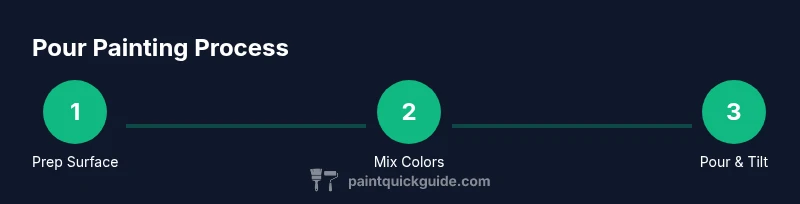
Prepare the surface
Clean the surface and apply primer or gesso as needed to promote adhesion and uniform color uptake. A well-prepped surface reduces paint absorption and helps colors stay vivid over time.
Tip: Let primer dry completely before pouring. - 3
Mix colors with pouring medium
In separate cups, combine each color with pouring medium to achieve smooth flow and extended open time. Stir gently to avoid introducing air bubbles, then let the mixture rest a moment before pouring.
Tip: Test viscosity by lifting the cup; a slow drip indicates proper consistency. - 4
Layer colors in a pour cup
Layer colors in a single cup to influence final gradients and cell formation. Heavier colors at the bottom often yield bolder rims and interesting edge effects when released onto the surface.
Tip: Don’t overfill; keep layers light to prevent muddy mixes. - 5
Apply the pour to the surface
Pour the layered mixture onto the prepared surface, then tilt gently to spread. The aim is a balanced distribution that reveals color transitions without pooling in corners.
Tip: Stop tilting when you see edges thinning; you can tilt back slightly to re-center. - 6
Encourage cells and texture
If you want cells, add a few drops of silicone oil to selected colors and tilt or lightly torch the surface. This creates natural texture and distinctive patterns.
Tip: Apply oil sparingly; too much can create excessive cell growth. - 7
Drying and initial protection
Allow the piece to dry in a dust-free area with stable temperature. Protect it from accidental disturbances for the first 24–48 hours.
Tip: Avoid stacking pieces during initial dry to prevent sticking. - 8
Cure and finalize
Full curing may take days. Once dry, apply a clear varnish or resin coat to seal the surface and enhance color longevity, especially in rooms with fluctuating humidity.
Tip: Test a small area with varnish first to ensure no color bleed. - 9
Clean up and store
Clean tools with water and soap promptly, seal leftovers, and store paints upright to prevent separation. Label colors for future projects in NYC apartments.
Tip: Dispose of solvent-soaked materials according to local regulations.
Your Questions Answered
What is paint and pour NYC?
Paint and pour NYC refers to acrylic pouring projects performed in New York City, emphasizing compact space setup, ventilation, and efficient cleanup. It blends artistic pouring techniques with practical urban living considerations.
Paint and pour NYC means doing acrylic pours in the city, focusing on space, ventilation, and cleanup.
Do I need permits in NYC for painting walls?
For typical at-home decorative pours, permits are rarely needed. If you plan large-scale renovations or structural changes, check with local housing authorities. Always follow safety guidelines and use non-toxic materials indoors.
Usually no permit is needed for decorative painting, but check local rules if you’re changing structures.
What tools are essential for paint and pour nyc?
Essential tools include pourable paints, pouring medium, silicone oil for cells, a primed surface, cups, sticks, gloves, and drop cloths. Optional items are a heat gun, masking tape, and an air purifier for better air quality.
You mainly need paints, a pouring medium, silicone oil, a primed surface, and protective gear.
How long does drying take in a NYC apartment?
Drying time varies with humidity and airflow. Plan for 24–48 hours to become touch-dry and longer for full curing. Avoid moving the piece during this period to prevent marks or dust intrusion.
Expect 1–2 days to dry, longer for full cure, especially in humid spaces.
Can I do paint and pour indoors in an apartment?
Yes, with proper setup. Use drop cloths, good ventilation, and low-VOC materials when possible. Keep the project away from kids and pets, and avoid high-traffic areas to minimize disturbances.
Yes, as long as you have ventilation and protect your space.
Watch Video
Quick Summary
- Prepare a clean, ventilated workspace before pouring.
- Layer colors thoughtfully to build depth and avoid mud.
- Control drying environments in small urban spaces to reduce cracking.
- Protect surfaces with drop cloths and practice safe cleanup.