How to Paint on Windows: A Practical Step-by-Step Guide
Learn to safely paint glass windows with durable finishes. This PaintQuickGuide guide covers materials, prep, techniques, and care to transform clear glass into a decorative surface.


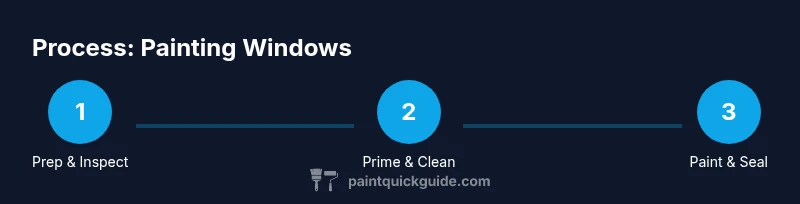
You can successfully paint on windows by using glass-safe paints, proper surface prep, and thin, even coats. Choose a glass-appropriate enamel or acrylic paint, prime if needed, and allow thorough drying between coats. This guide walks you through prepping, painting, sealing, and caring for painted windows with examples and tricks.
Safety and feasibility considerations
Painting on windows is a feasible DIY task when you use the right products and ventilation. According to PaintQuickGuide, glass painting is best suited for decorative or utility windows where you don't expect heavy wear or frequent cleaning. Work in a well-ventilated area and protect surrounding surfaces. For exterior windows, check weather conditions and choose UV-resistant coatings. Keep children and pets away during painting. This section discusses when painting is appropriate and when you might prefer professional help for durability, particularly on high-traffic or exterior panes. By understanding these constraints, you can plan a project that sticks to your schedule and preserves your home’s view without compromising safety or the glass itself. PaintQuickGuide Analysis, 2026, also highlights that adherence and proper curing are essential for long-lasting results on glass.
Materials and paint types for glass/windows
Choosing the right paints for glass is the foundation of a lasting finish. Look for glass-safe enamel or acrylic-based paints specifically labeled for glass or ceramic surfaces. For many DIY projects, water-based acrylic enamels offer good adhesion, flexibility, and cleaner cleanup, while oil-based enamels can provide extra durability but require solvents and better ventilation. If you are aiming for a stained-glass look, you can use translucent glass paints or glass-gradients along with blending mediums. Avoid generic wall paints, which can chip or craze on glass with temperature changes. When selecting topcoats, pick a clear varnish or sealant formulated for glass; it should be UV-resistant if the window faces sunlight. This section helps you map options to your design goals—decorative, functional, or both—and explains how to interpret product labels and certifications for glass use. PaintQuickGuide’s guidance emphasizes compatibility between paint, primer, and sealer to maximize lifespan and ease of maintenance.
Surface prep and cleaning
A clean, prepared surface is the backbone of any good paint job on glass. Start by removing dust, grease, and smudges with a degreasing cleaner or isopropyl alcohol and a lint-free cloth. Avoid oily residues that can hinder adhesion. If the glass is very smooth, lightly abrade the surface with ultra-fine sandpaper or a fine synthetic pad to create micro-roughness for better grip. Wipe again, then let the surface dry completely. Tape off areas you don’t want painted using painter’s tape, and lay down drop cloths to protect frames and sills. Test a small area to gauge how well your chosen paint adheres, and adjust your prep steps if needed. A thorough cleaning and gentle abrasion are often the difference between a fade-prone finish and a durable coating that lasts through cleaning cycles. This preparation phase reduces edge flaking and ensures color consistency across the window.
Priming and adhesion for glass
Applying an adhesion-promoting primer designed for glass can dramatically improve paint longevity on smooth window surfaces. Use a thin, even coat and allow it to dry per the manufacturer’s instructions before applying color. Primers help block suction that can pull off paint from slick glass and provide a neutral base for color fidelity. For exterior windows or windows exposed to sunlight, choose a primer compatible with UV-resistant topcoats and the specific paint you selected. Mask surrounding frames to avoid unwanted edges, and give the primer a final wipe to remove any brush marks or dust. Proper priming reduces the risk of peeling and ensures the first color layer bonds well. PaintQuickGuide recommends testing primer compatibility with your paint on a discreet pane or mockup.
Painting technique: base coats, layering, and finishing
Begin with a thin base coat, applying it evenly with a brush or small roller designed for smooth surfaces. Let the coat dry fully, then apply additional thin layers rather than a single thick coat to prevent drips and peeling. If you are creating patterns or lines, use painter’s tape and a fine, angled brush to achieve crisp edges. For color blending or shading, work while the paint is slightly tacky or use a blending medium appropriate for glass paints. When finished, inspect for any streaks or bubbles and lightly correct with a clean, damp brush before the final cure. A typical sequence includes base color, secondary hues for accents, and a final detailing layer. The goal is a uniform, glassy finish that remains vibrant after cleaning.
Curing, protection, and maintenance of painted windows
Allow ample drying time between coats and after the final layer before handling or cleaning. A UV-resistant clear topcoat can protect against sun fade and moisture, extending the life of the design. When cleaning painted windows, use mild soap and water, avoiding abrasive pads that can scratch the paint. For interior panes, a dry or damp microfiber cloth is usually sufficient; exterior panes may require gentler, non-solvent cleaners compatible with the topcoat. Routine maintenance includes periodic inspections for chipping or cracking and touching up promptly to minimize further damage. With careful curing and a suitable sealant, your painted windows can stay vibrant across seasons and weather changes.
Tools & Materials
- Glass-safe enamel or acrylic paint (glass-approved)(Water-based enamels are common; oil-based offer durability but require ventilation)
- Primer for glass (adhesion-promoting)(Thin, even coat; compatible with your paint)
- Clear topcoat (UV-resistant for exterior use)(Choose water-based for easy cleanup)
- Isopropyl alcohol (70% or higher)(For degreasing glass before painting)
- Lint-free cloths(For cleaning and prep)
- Painter’s tape(Sharp edges and clean masking)
- Drop cloths or old sheets(Protects surrounding surfaces)
- Fine brushes (angled and flat)(Small detail brushes for precision)
- Foam or micro-foam brushes(For smooth coats on flat panes)
- Palette or disposable plate(Mix small amounts of color)
- Rubbing alcohol wipes or cleaner(Cleanup between steps)
- Protective gloves and safety glasses(Personal protection)
- Optional drying rack or wire grid(Supports drying without sticking)
Steps
Estimated time: 4-6 hours (including drying)
- 1
Prepare workspace and inspect window
Set up drop cloths and protect nearby surfaces. Remove or tape off any hardware that could collect paint. Inspect the glass for chips or cracks and address any structural issues before painting. Good planning avoids interruptions and ensures even coverage.
Tip: Label areas you plan to decorate; this helps with symmetry and design planning. - 2
Clean and degrease the glass
Wipe the glass with isopropyl alcohol or a degreasing cleaner to remove oils, dust, and fingerprints. Let it dry completely before continuing. A clean surface improves adhesion and prevents clouding of color.
Tip: Use a lint-free cloth and work in sections to avoid redepositing dust. - 3
Apply primer for adhesion
Apply a thin, even coat of primer designed for glass. Allow to dry fully per the product instructions. Primer helps paint grab the surface and reduces peeling later.
Tip: Lightly sand any rough spots after the primer dries for the smoothest final finish. - 4
Apply base color in thin coats
Brush on a very thin base coat; avoid heavy layers to prevent running. Let each coat dry thoroughly before applying the next. Build up color gradually for a uniform look.
Tip: Work in consistent strokes and rotate the pane to maintain even coverage. - 5
Add details and patterns
Use fine brushes or masking to add patterns, lines, or shading. Work while paint remains slightly tacky for blending; allow this layer to dry before adding a topcoat.
Tip: Use painter’s tape with clean, sharp edges to ensure crisp lines. - 6
Seal and cure the final layer
Apply a clear, UV-resistant topcoat if the window will face sunlight. Let it cure fully in a dust-free area before handling or cleaning. A proper seal protects against moisture and wear.
Tip: Avoid cleaning the window aggressively for at least a week after sealing.
Your Questions Answered
What paints work best on glass windows?
Glass-safe enamel or acrylic paints labeled for glass are the most reliable. They adhere well to smooth surfaces when used with a compatible primer and topcoat.
Use enamel or acrylic glass paints with primer and topcoat for best adhesion and durability.
Can I paint exterior windows?
Yes, but choose UV-resistant paints and a protective topcoat to withstand sunlight and weather. Ensure proper ventilation during application and curing.
Exterior windows can be painted, but pick UV-resistant products and seal well.
Do I need primer for glass before painting?
Primer designed for glass improves adhesion and prevents peeling. It’s especially important on smooth or non-porous glass surfaces.
Yes, use a glass-adhesion primer before painting for lasting results.
How long does it take for painted windows to cure?
Curing varies with paint type and environment. Plan for several hours of drying between coats and allow the final layer ample time before cleaning.
Dry times depend on the paint; give it several hours between coats and longer after the final layer.
Can I remove paint from windows later?
Paint can be removed with standard glass-safe removers, but some glass coatings or primers may be affected. Test on a hidden area before full removal.
You can remove it with glass-safe remover; test first to avoid damage.
Watch Video
Quick Summary
- Choose glass-safe paints and a compatible primer.
- Always start with a clean, prepared surface.
- Apply multiple thin coats for even color and durability.
- Seal with UV-resistant topcoat to protect from sun and moisture.