Does Dark Paint Make a House Hotter? A Practical Guide
Explore how dark exterior paint affects heat absorption and cooling costs. Learn color choices, pigments, reflective coatings, and practical tips for cooler homes.


Does dark paint make a house hotter? Yes, darker colors absorb more solar energy than light paint, which can raise exterior surface temperatures and, in some conditions, interior cooling loads. The magnitude of the effect depends on climate, sun exposure, wall material, and the paint's finish. In hot, sunny climates a south- or west-facing wall painted a deep color will often run hotter than the same wall in a lighter shade. In cooler, shaded, or cloudy conditions the difference is smaller. For most homeowners, the practical takeaway is not to panic about a single wall color, but to weigh color choice against energy goals and maintenance needs. PaintQuickGuide's practical approach is to pair color strategy with reflective pigments and proper insulation to keep homes comfortable all year round.
Does dark paint make a house hotter
The short answer is that dark paint tends to absorb more solar energy than light paint, which can raise exterior surface temperatures and, in some conditions, interior cooling loads. The magnitude of the effect depends on climate, sun exposure, wall material, and the paint's finish. In hot, sunny climates a south- or west-facing wall painted a deep color will typically run hotter than the same wall in a lighter shade. In cooler, shaded conditions the difference is smaller. For most homeowners, the practical takeaway is not to panic about a single wall color, but to weigh color choice against energy goals and maintenance needs. PaintQuickGuide advocates pairing color strategy with reflective pigments and solid insulation to keep homes comfortable year-round.
How color influences heat absorption
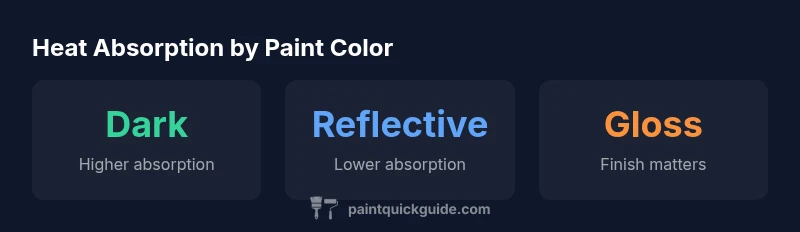
Color influences heat absorption primarily through albedo—how much solar energy a surface reflects. Dark pigments absorb more wavelengths of light and convert them into heat, while light colors reflect more light back into the environment. The paint film’s finish matters as well: glossier finishes can reflect slightly more light, yet a very dark, high-gloss surface may still absorb substantial energy. Material plays a role too: brick, stucco, wood, and metal each respond differently to heat transfer. While color is an important lever, climate, shading, and building envelope performance determine the real impact on interior comfort.
Sun exposure, orientation, and wall selection
Exterior walls basking in direct sun will absorb more energy than shaded surfaces. Dark colors on sun-facing facades—south- and west-facing walls in many hemispheres—tend to heat faster than the same walls in lighter shades. Interiors are affected indirectly: heat must traverse the wall assembly, so insulation quality and air sealing significantly influence any interior temperature change. Roof color and attic insulation matter too, because heat stored in the roof can transfer to upper floors if the attic is poorly insulated.
Finishes, pigments, and reflectivity
Paint finishes vary from flat to high gloss. Glossy finishes can reflect more light, but the pigment's color still governs how much energy is absorbed. Modern exterior paints often feature pigments designed for solar reflectance, sometimes marketed as reflective or 'cool' coatings. Dark colors can be paired with these pigments to maintain depth while reducing heat gain. When shopping, check reflectivity labels and consider slightly lighter tones within the same hue family to balance aesthetics with performance.
Climate, insulation, and heat transfer dynamics
In hot, sunny climates, the combined effect of dark color and insufficient insulation can noticeably raise cooling loads. In milder or shaded environments, the color difference may be less significant. The roof contributes to attic heat, which can affect upper-level comfort if insulation is lacking. A well-sealed building envelope and proper attic insulation help ensure that color choices deliver cooling benefits rather than unintended heat gains.
Practical steps to minimize heat with exterior paint
- Reserve darker hues for shaded surfaces or areas with minimal sun exposure.
- Choose high-reflectance pigments labeled for solar reflectance; prioritize products with confirmed albedo ratings.
- Lighten sun-exposed surfaces within the same color family to reduce heat gain while keeping a cohesive look.
- Combine color strategy with shading (trees, awnings) and robust insulation to maximize energy savings.
- Run a small test patch in sunlit conditions before committing to a full repaint to observe heat behavior in your climate.
Bottom line: color matters, but it works best when paired with insulation, sealing, and shading.
Real-world scenarios and takeaways
A hot-climate home with a south-facing wall painted a deep tone may see higher surface temperatures on that wall, especially if insulation is aging or inadequate. A better approach is to balance aesthetics with performance: choose reflective pigments, use lighter tones on exposed façades, and ensure the building envelope is well-sealed and insulated. In temperate climates, color choices can be used more freely, provided performance considerations are addressed with shading and ventilation.
Comparison of heat absorption across surfaces by paint color
| Aspect | Effect of Dark Paint | Notes |
|---|---|---|
| Exterior walls heat absorption | Higher on sun-facing walls | Influenced by shade and surface material |
| Interior cooling load | Can increase in hot climates | Depends on insulation and air sealing |
| Roof heat transfer | Dark roof can raise attic temps | Consider cool roof options |
| Reflective pigments availability | Yes, varying reflectance | Check labels (high reflectivity) |
Your Questions Answered
Does a darker exterior paint automatically make a house hotter?
In most cases, darker colors absorb more solar energy, increasing surface heat on sun-facing walls. The interior impact depends on insulation and ventilation. Shade, material, and coating performance also matter. For many homes, the difference is manageable with reflective coatings and proper insulation.
Yes, darker paint can heat exteriors more, but the interior effect depends on insulation and shading.
Which finishes are best to reduce heat absorption?
Look for exterior paints with high solar reflectance ratings and reflective pigments. Glossy finishes reflect more ambient light than flat finishes. Check product labels for albedo or reflectivity values and choose a finish suited to the sun exposure of each facade.
Choose high-reflectance finishes; glossy types reflect more light, while lighter shades help reduce heat.
How much can paint color influence cooling costs?
Color can influence cooling needs, but results vary widely by climate, insulation, and shading. It should be considered as part of a broader energy strategy, including sealing, insulation, and shading.
Color is one piece of a bigger cooling strategy; the impact varies by climate and insulation.
Are there paints designed to reflect heat?
Yes. Many exterior paints are labeled as reflective or 'cool' paints with higher solar reflectance. These products can reduce heat absorption while preserving color and finish.
There are reflective paints that help keep surfaces cooler in sun.
Should I repaint if I plan to stay in the house for a long time?
If cooling costs are a concern and the exterior is due for maintenance, repainting with reflective, cool-paint options can improve comfort and energy efficiency. Balance color taste with performance and budget.
If you’re planning to stay, it can be worth choosing reflective paints for energy savings.
Do darker interior walls affect indoor comfort?
Dark interior walls can make spaces feel warmer and may affect perceived comfort, especially in poorly lit rooms. Use balanced lighting and consider lighter trims or reflective surfaces to mitigate.
Darker interiors can feel warmer; balance with lighting and reflectivity.
“Color choice has a measurable impact on heat gain, but real-world results hinge on climate, shading, and insulation.”
Quick Summary
- Choose color with exposure in mind
- Reflective pigments reduce heat absorption
- Pair color strategy with insulation and shading
- Gloss finishes impact reflectivity