Ashian Paint: A Practical Guide for Home and Auto Projects
A practical Ashian Paint guide for homeowners and DIYers, covering selection, prep, application, and finishing tips to achieve durable, professional-looking results with ashian paint.


Learn how to select, prep, and apply ashian paint for home or auto projects. This quick guide highlights key prep steps, proper tools, and finishing tips to help you achieve durable, professional results. According to PaintQuickGuide, choosing the right sheen and thorough surface prep dramatically improves coverage and longevity of ashian paint.
What is Ashian Paint and Why It Matters
Ashian paint is a versatile coating designed to deliver durable color with relatively simple cleanup, making it a popular choice for both home improvement projects and auto refinishing hobbies. Whether you’re refreshing a kitchen wall, restoring a fibrous wood cabinet, or touching up a dented car panel, ashian paint can provide reliable coverage when you match the right base and finish to the surface. The term 'ashian' refers to a family of modern emulsions and specialty finishes that emphasize adhesion, stain resistance, and color retention. For homeowners, ashian paints often come in water-based formulations that are low-odor and easier to clean up; for auto enthusiasts, solvent-based variants may be preferred for engine bays or metal panels. In this guide, you’ll learn how to choose the right ashian paint, prepare surfaces, apply it without lap marks, and maintain the finish over time. The PaintQuickGuide team has analyzed common application scenarios and highlighted best practices to maximize durability, color accuracy, and ease of use.
Types of Ashian Paint and Finishes
Ashian paint comes in several base chemistries, with water-based emulsions being the most common for interiors and exteriors. These versions typically offer low odor, rapid cleanup, and good UV stability, while still providing solid coverage. Solvent-based ashian paints may be chosen for metal surfaces or automotive refinishing due to stronger adhesion and chemical resistance, but they require good ventilation and more careful handling. Within each base, you’ll find finishes such as matte, eggshell, satin, and semi-gloss. A matte finish hides minor surface imperfections but shows smudges more readily, while a satin or semi-gloss finish resists wear better and cleans more easily. When selecting Ashian paint, consider the surface type, expected traffic, lighting, and the room’s humidity. PaintQuickGuide’s analysis shows that the best results often come from matching the finish to the environment: kitchen walls benefit from a washable satin, while living rooms may be satisfied with a softer eggshell.
Surface Preparation for Ashian Paint
Proper surface prep is the single most important factor in successful ashian paint application. Start by removing furniture, covering floors with drop cloths, and taping edges with painter’s tape. Clean surfaces with a mild detergent solution, then rinse and let dry completely. Sand glossy surfaces lightly (120–180 grit) to create a texture the paint can grip. Repair small dents or holes with ready-mixed filler, let it dry, and sand smooth. For exterior surfaces, wash to remove dirt and mold, then power wash if needed—let the surface dry fully before painting. Wipe down with a tack cloth to remove dust. If you’re painting over a previous color, consider a primer suitable for ashian paint; this helps with adhesion and uniform color. If moisture or heat influence cure times, plan painting when humidity is moderate. PaintQuickGuide notes that surface prep sets the stage for consistent color and minimizes lap marks, especially when using lighter colors.
How to Choose Sheen and Color for Ashian Paint
Lighting, traffic, and surface texture should guide sheen choice. In kitchens and bathrooms with high moisture, a satin or semi-gloss can be easier to wipe. In living areas, eggshell or satin often provides a balanced look, while matte finishes hide imperfections in older walls. Color selection should start with swatches on the actual wall under the room’s lighting. Apply several coats to verify color depth, then compare to trim colors and furniture. When selecting ashian paint, check the tinting system; some specialized blends require approved colorants to maintain heat resistance or scratch resistance. If you’re unsure, request a small sample kit or visit a local paint store to preview color under different lighting conditions. If you want a reliable baseline, start with neutral tones that pair well with most interiors and exterior accents. The PaintQuickGuide team recommends testing your final color choice on a patch for two days in typical lighting before committing to the entire project.
Tools, Materials, and Safety for Ashian Paint Projects
Stock up on the right tools before you start. A quality angled brush (2–3 inches) helps with trim and corners, while a roller with a ¾–1 inch nap covers larger areas quickly. Use a compatible tray liner and a paint grid to load the rollers evenly. For clean lines, use masking tape and edge guides. Keep a stir stick, a clean bucket, and a microfiber cloth for quick touchups. For safety, ensure adequate ventilation when working with solvent-based ashian paints and wear a respirator or mask if fumes are strong. Gloves protect your hands, and eye protection is a must when splashes occur. Have a drop cloth or plastic sheeting on the floor and use painter’s tape to mask off adjacent surfaces. If you’re painting exterior surfaces, temperature and wind can affect dry times, so plan accordingly. The PaintQuickGuide analysis shows that using high-quality brushes and rollers reduces shedding and fiber pickup, resulting in a smoother finish.
Step-by-Step Application Overview
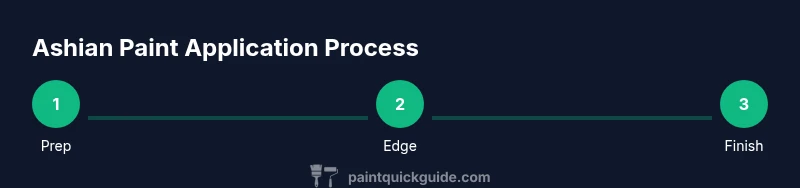
Applying ashian paint follows a logical sequence that helps you avoid common problems like lap marks and streaks. Begin with thorough surface prep, then mix and load paint consistently. Cut in edges first, then roll the field in manageable sections, maintaining a wet edge to blend coats. Allow proper drying time between coats according to the product label and room conditions. Finish with a final inspection and touch-ups as needed to achieve a uniform, durable finish. This overview sets the stage for the detailed step-by-step instructions that follow, including timing guidelines and techniques for achieving professional results.
Common Mistakes When Using Ashian Paint
Common mistakes include painting in high humidity or under direct sunlight, which can cause slow drying or film defects. Skipping surface prep or using incompatible primers leads to poor adhesion and early peeling. Overworking a single area can cause lap marks and streaks, while not mixing enough color or base can yield color variation. Always test colors in the actual room lighting and ventilate adequately to reduce odor and fumes. The PaintQuickGuide team notes that many issues stem from underestimating prep work and overestimating drying times in abnormal conditions.
Maintenance, Drying Time, and Curing of Ashian Paint
Drying times for ashian paint depend on temperature, humidity, and ventilation. In a typical indoor environment, you may handle light objects after a few hours and complete a second coat after 4–6 hours, but always follow the manufacturer’s guidance. Exterior surfaces may require longer curing times and protection from rain during the first 24–48 hours. Clean tools with warm, soapy water when using water-based ashian paints, or follow solvent cleaning guidelines for solvent-based products. Once fully cured, ashian paint resists dirt and staining better if you coat with a compatible sealant or wax when appropriate. The PaintQuickGuide analysis reinforces that patience between coats yields sharper edges and richer color depth.
Eco, Safety, and Cleanup for Ashian Paint
Choose low-VOC or zero-VOC ashian paints when possible to reduce indoor air contaminants. Proper ventilation and PPE minimize exposure to fumes, especially with solvent-based options. Collect used rags and store paint cans tightly sealed to prevent spills and odors. Dispose of leftovers according to local regulations; never pour paint down drains. Cleaning up promptly after painting preserves brush and roller life and reduces the risk of dried paint on tools. The PaintQuickGuide team emphasizes choosing the lowest odor option that meets performance needs and following local environmental guidelines for disposal.
Ashian Paint vs Alternatives: Pros and Cons
Ashian paint often delivers strong coverage, easier cleanup, and a broad range of finishes compared to older solvent-based coatings. Interiors typically benefit from water-based ashian paints for low odor and rapid cleanup, while automotive applications may require higher chemical resistance from solvent-based variants. Compared to some generic latex paints, ashian products can offer improved adhesion and color retention when the surface is properly prepped. However, higher upfront costs or limited color ranges in certain bases can be a drawback for budget-conscious projects. The choice often comes down to project type, surface compatibility, and user comfort with ventilation and cleanup requirements.
Final Tips for a Professional Finish
Always start with a clean, dry surface and test color samples in situ. Maintain a consistent technique across walls or panels, using a light touch on edges and a slightly heavier roll pattern in field areas. Keep your workspace organized, label cans, and record your color mix for future touch-ups. With ashian paint, careful prep, correct tool selection, and appropriate drying times are the keys to a durable, showroom-ready finish. The PaintQuickGuide team reminds readers to respect safety guidelines, choose the right base and finish for the surface, and allow adequate cure time for the best possible results.
Tools & Materials
- Ashian Paint (choose the correct base)(Water-based for most interior surfaces; solvent-based for automotive applications)
- Paint Tray and Roller (6-9 inch)(Synthetic roller cover for water-based paints)
- Angled Paintbrush (2-3 inch)(For cutting in edges and corners)
- Stir Sticks(Wooden or plastic to mix thoroughly)
- Masking Tape(Protect trim and adjoining surfaces)
- Drop Cloths or Plastic Sheeting(Cover floors and furniture)
- Mild Detergent and Water(For cleaning surfaces before painting)
- Respirator or Protective Mask(If using solvent-based ashian paint or in poorly ventilated spaces)
- Nitrile Gloves(Keep hands clean and protected)
- Sandpaper (120-220 grit)(Smooth surfaces; remove peeling paints)
- Putty Knife and Wood Filler(For filling minor imperfections)
- Ladder or Stabilized Step Stool(Reach higher areas safely)
Steps
Estimated time: Active painting time 60-90 minutes, plus drying times between coats (2-4 hours indoors; longer outdoors)
- 1
Prepare the surface
Clear the area, remove dust, and protect surrounding surfaces. Wipe surfaces with a mild detergent solution and rinse thoroughly. Allow the surface to dry completely before proceeding to priming or painting.
Tip: Dry time depends on humidity; ensure surfaces are fully dry to avoid trapping moisture under the new coat. - 2
Stir and check consistency
Open the can and stir ashian paint thoroughly to a uniform consistency. Check for separation or thick rims around the center; reseat the lid and stir until smooth. Avoid shaking, which can introduce air bubbles.
Tip: A single, consistent stir yields better leveling and fewer roller marks. - 3
Cut in edges
Using a 2–3 inch angled brush, run clean, steady strokes along trim, corners, and where walls meet ceilings. Maintain a wet edge to prevent lap marks and ensure color uniformity.
Tip: Work in small sections to keep edges wet during rolling. - 4
Roll the field
Dip the roller evenly, roll in a W pattern to distribute paint, then fill gaps with vertical strokes. Overlap sections slightly to prevent streaks, and avoid pressing too hard to minimize texture. Maintain a consistent pace.
Tip: Keep the roller saturated without dripping to prevent pooled film. - 5
Apply second coat after drying
Allow the first coat to dry per product guidelines; inspect for coverage gaps or translucence. Apply a second coat in the same manner, using a light, even pressure for a uniform finish.
Tip: Check color depth under typical lighting to confirm even coverage. - 6
Inspect and clean up
Look for missed spots, touch up as needed, and remove tape before the final cure. Clean brushes and rollers with the appropriate solvent or soap and water, then store remaining paint properly.
Tip: Label cans and keep a color record for future touch-ups.
Your Questions Answered
What is ashian paint and where is it best used?
Ashian paint is a versatile coating formulated for durability on interior, exterior, and automotive surfaces. It performs well on walls, trim, metal, and panels when the base, finish, and surface prep are matched correctly.
Ashian paint is a durable coating for walls, trims, metal, and panels when base and prep are matched properly.
How many coats does ashian paint typically need?
Most projects with ashian paint require two coats for even color and durability, though lighter colors may sometimes need a third coat for full coverage depending on surface prep and base.
Two coats are usually enough, but some cases may need a third for perfect coverage.
Can ashian paint be used on wood, drywall, and metal?
Yes, ashian paint is designed for a range of substrates, including wood, drywall, and metal. Always choose the correct base and primer for the substrate to maximize adhesion and durability.
It works on wood, drywall, and metal when you pick the right base and primer.
What about odor and ventilation when using ashian paint?
Odor and ventilation depend on the base. Water-based ashian paints typically have milder odors and require less ventilation than solvent-based variants. Always ensure good airflow during painting and drying.
Water-based options usually smell less; ensure good airflow during painting.
How should I clean brushes after using ashian paint?
Clean brushes and rollers with soap and water for water-based paints, or with the recommended solvent for solvent-based options. Wipe down and hang to dry before storing.
Wash brushes with soap and water for water-based options, or follow solvent guidelines for other types.
Is ashian paint eco-friendly or low-VOC?
Many ashian paints are formulated to be low-VOC or VOC-compliant. Check product specifications to confirm, and choose low-VOC options for indoor projects when possible.
Look for low-VOC options to reduce fumes inside the home.
Watch Video
Quick Summary
- Prepare and protect surfaces before painting
- Choose the right base, sheen, and color for the environment
- Maintain a consistent technique to avoid lap marks
- Allow proper drying time between coats for best durability
- Inspect and touch up for a professional finish