What Paint to Buy for Wood: A Practical Guide
Learn how to choose the right wood paint for interior and exterior projects. This guide compares paint types, primers, sheens, prep steps, and maintenance tips to help homeowners and DIYers achieve durable, beautiful wood finishes.


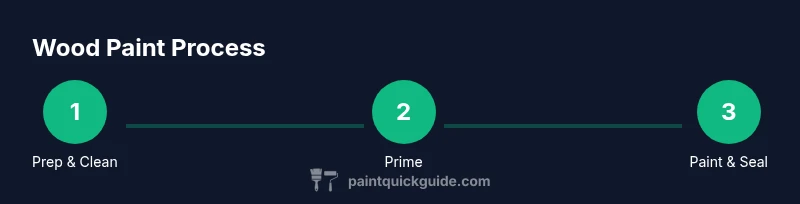
You should buy 100% acrylic latex exterior paint for outdoor wood, and high-quality latex interior paint for indoor wood. Pair with a bonding primer for bare wood, and finish with a compatible topcoat or sealer. This guide explains choosing paint types, sheens, and prep steps to achieve durable wood finishes.
Why the right paint matters for wood
According to PaintQuickGuide, choosing the right paint for wood starts with understanding the surface and environment. Wood is dynamic: it expands and contracts with humidity, and it can absorb moisture that causes swelling, cracking, or rot if the coating isn’t breathable. A well-chosen coating protects against moisture intrusion, UV, and daily wear while preserving the wood’s appearance. This section lays the groundwork for selecting paints by considering wood type (softwood vs hardwood), location (inside vs outside), and the existing finish. You’ll learn how surface prep, primer choice, and the right sheen contribute to durability and ease of maintenance across decks, siding, cabinets, and furniture. Good prep reduces peeling and prolongs color life, especially on outdoor projects exposed to sun and rain.
Different paint types for wood: pros and cons
Wood accepts several paint chemistries, each with trade-offs.
- 100% acrylic latex exterior paints are widely recommended for outdoor wood due to excellent adhesion, elasticity, and resistance to cracking with weather cycling. They clean up with water and typically emit milder odors.
- Interior latex paints, especially acrylic-latex blends, are user-friendly, fast-drying, and low in odor—ideal for trim, doors, and furniture inside the home.
- Oil-based alkyd enamels offer a hard, durable film with stronger odor and longer clean-up. They’re useful on high-traffic trim but require mineral spirits and longer dry times.
- Waterborne enamels improve on traditional oil-based products by combining durability with easier cleanup, making them a solid choice for kitchens and bathrooms that see moisture and daily use.
- Primers and sealers are distinct products: bonding primers help coatings stick to bare wood; stain-blocking primers hide tannins and knots; and sealer topcoats can add UV protection or water resistance. Always choose a primer compatible with your paint to maximize adhesion and color longevity.
How to choose interior wood paint
Interior wood projects demand paints that handle household humidity, traffic, and cleaning. Start with a high-quality latex acrylic or enamel-based interior paint for trim, cabinets, and wooden furniture. For doors and cabinets that receive frequent contact, a semi-gloss or gloss sheen offers durability and easier cleaning. Look for labels that mention interior wood or trim paint, which indicate formulations designed for wood surfaces and raised grain. Primers for interior wood should often be stain-blocking and bonding types if you’re covering old finishes or darker stains. Finish with a compatible clear topcoat if you want extra protection on high-use surfaces, keeping in mind that some topcoats can alter the sheen slightly.
How to choose exterior wood paint
Exterior wood requires coatings that resist moisture, sun, and mildew. A high-quality 100% acrylic latex exterior paint is the modern standard because it provides excellent adhesion, flexibility with wood movement, and long-term color retention. For window trim, railings, or high-traffic exterior woodwork, an enamel or semi-gloss finish can offer superior durability against brushing and cleaning. If the wood is previously finished with oil-based products, you may need a bonding primer to ensure good adhesion. In areas with tannins (from cedar, redwood, or pressure-treated lumber), use a stain-blocking primer to prevent dark bleed-through. Always read the label to confirm outdoor suitability and recoat intervals.
Prep steps before painting wood
Preparation is the single most important factor in a long-lasting wood finish. Start by removing dirt, peeling paint, and loose hardware. For exterior wood, ensure surfaces are dry and free of mildew before priming and painting. Sand glossy areas to a dull, uniform finish using 120–220 grit paper, which creates a key for the new paint. Fill any cracks or gouges with wood filler and let it dry fully before sanding flush. Wipe away dust with a tack cloth and allow the surface to dry. If working on knots or resinous areas, apply a stain-blocking primer to prevent bleed-through. Proper prep improves adhesion, reduces the chance of peeling, and yields a smoother final appearance.
Primers and sealers: why they matter
Primers bridge the gap between wood and paint, improving adhesion and color evenness. A bonding primer is especially important on bare wood or shiny old coatings; it forms a strong foundation that reduces the risk of peeling. Stain-blocking primers tackle knots and tannins that can show through the paint, preserving a clean final color. In exterior projects, a primer with rot and mildew resistance extends durability. Sealers and topcoats provide additional protection against moisture, UV rays, and wear in high-traffic areas. Always choose a primer compatible with your chosen paint and consider a breathable sealant for exterior wood to accommodate natural wood movement.
Finishing touches: sheen, topcoats, and maintenance
Sheen level greatly influences maintenance and appearance. Flat and eggshell hides surface imperfections, while satin offers a balance of durability and light reflection. Semi-gloss or gloss finishes are ideal for trim, doors, and high-traffic areas due to easier cleaning. For exterior wood, a UV-resistant topcoat or clear polyurethane can extend color life. Some projects benefit from two coats of paint plus one coat of sealer on very exposed surfaces. Regular maintenance—washing to remove dirt and inspecting for wear—extends the life of your finish and helps you catch issues before moisture penetration or rot occurs.
Cost considerations and a simple buying checklist
Choosing the right paint involves more than color. Consider the outdoor exposure, wood type, and whether you’ll be painting multiple surfaces. PaintQuickGuide Analysis, 2026 notes that homeowners often invest in higher-quality exterior systems for durability and longer recoat intervals, which can reduce long-term maintenance costs. When budgeting, plan for primer, two coats of paint, and a topcoat if you want extra protection. A practical buying checklist includes: (1) exterior vs interior product, (2) appropriate primer, (3) the desired sheen, (4) compatible topcoat, (5) number of cans needed with extra for touch-ups, and (6) weather windows for application. This approach helps avoid mid-project purchases and ensures even coverage.
Common mistakes to avoid
Common missteps include painting in damp or extreme heat, skipping primer on bare wood, and choosing a sheen that doesn’t hold up well to cleaning or sunlight. Another frequent error is applying too-thick coats, which can trap moisture and lead to peeling. Do not mix waterborne latex with oil-based enamels in the same system; they require different primers and topcoats. Finally, neglecting proper sanding between coats reduces adhesion and finish smoothness. By avoiding these errors, you’ll achieve a more durable and attractive wood finish that stands up to the elements or daily use.
Tools & Materials
- Paint brushes (assorted sizes)(Include a 2- to 4-inch angled brush for trim and a 3- to 9-inch brush for flat surfaces)
- Paint rollers (nap varies by surface)(Use 3/8"–1/2" nap for walls, foam rollers for smooth surfaces)
- Sandpaper and sanding block(120–180 grit for general prep; 220 for finishing)
- Putty knife and wood filler(Rags for cleanup and a flexible knife for wide cracks)
- Painter's tape(Low-tack blue tape for clean edges and masking)
- Bonding primer(Choose a primer compatible with your paint type)
- Topcoat/sealant (if needed)(Clear polyurethane or varnish for extra protection on high-use surfaces)
- Drop cloths and tarps(Protect floors and furniture from spills)
- Respirator or protective mask, safety glasses, gloves(Essential when sanding and handling solvent-based paints)
- Stir sticks and paint trays(Keep paints well mixed for consistent color)
- Ladder or step stool(Access high surfaces safely)
- Mineral spirits or water for clean-up(Use with oil-based products as directed)
- Tack cloth or microfiber cloths(Remove dust before painting)
Steps
Estimated time: 4-6 hours (plus drying times as needed)
- 1
Assess wood and plan project
Inspect all surfaces for rot, gaps, or loose boards. Decide interior or exterior use, and determine if bare wood needs bonding primer. This step guides your product choice and prep plan.
Tip: Take photos and mark areas that require repair for reference. - 2
Protect surroundings and gather materials
Lay drop cloths, remove or cover nearby furniture, and set up a stable work area. Gather all required tools and materials within reach to avoid mid-project interruptions.
Tip: Use painter’s tape to protect edges and create crisp lines. - 3
Clean and dry the surface
Wash dirt, mildew, and grime from the wood. Allow surfaces to dry completely; moisture traps under paint can cause peeling. If repainting, remove peeling coatings with a scraper.
Tip: For exterior wood, choose a bright, windy day to ensure quick drying. - 4
Sand and repair imperfections
Lightly sand glossy areas to create a key for new paint. Fill cracks with wood filler and smooth flush with the surrounding surface. Remove dust with a tack cloth.
Tip: Don’t oversand; keep the edge of the surface even to avoid visible texture changes. - 5
Prime bare wood or problematic areas
Apply a bonding primer to bare wood or surfaces with heavy tannin bleed. For previously painted wood, use a bonding primer if adhesion is uncertain. Let primer dry according to label instructions.
Tip: Prime edges and end-grains to reduce wear and weathering later. - 6
Apply first coat of paint
Stir the paint thoroughly and apply with smooth, even strokes. Maintain a wet edge to avoid lap marks. Use a brush for edges and a roller for flat surfaces.
Tip: Work in small sections, especially on large exterior surfaces to maintain uniform color. - 7
Apply second coat and touch-ups
After the first coat dries as directed, apply a second coat for even coverage and depth. Address any missed spots with light touch-ups using a small brush.
Tip: If color appears uneven, a third coat may be needed for true uniformity. - 8
Finish with topcoat and cleanup
If required, apply a clear topcoat for added protection on high-use surfaces. Clean brushes with the appropriate solvent, protect dried paint, and store leftover materials for future touch-ups.
Tip: Label stored cans with date and surface to simplify future maintenance.
Your Questions Answered
What is the best paint for exterior wood surfaces?
For exterior wood, a high-quality 100% acrylic latex exterior paint is generally best, paired with a bonding primer on bare wood or problematic surfaces. This combination provides durability, flexibility, and easier maintenance.
For exterior wood, use a top-quality acrylic exterior paint with a bonding primer for bare wood to ensure durability.
Do I need a primer before painting wood?
Yes. Primers improve adhesion, hide stains, and help color uniformity. Use a bonding primer on bare wood or rough previous coatings, and a stain-blocking primer if tannin bleed is a concern.
Yes, you should prime bare wood and stained surfaces to improve adhesion and uniform color.
Can I use oil-based paint on wood?
Oil-based alkyd enamels can be durable but require solvents for cleanup and have longer drying times. Modern waterborne enamels and latex paints often provide easier performance with similar durability.
Oil-based paints can be used, but latex alternatives are usually easier to work with and clean up.
What sheen should I choose for wood trim?
Semi-gloss or gloss finishes are preferred for trim due to durability and ease of cleaning. For walls, eggshell or satin balances appearance and maintenance needs.
For trim, pick semi-gloss or gloss for durability and easy cleaning.
How long does wood paint take to dry?
Dry times vary with humidity and temperature. Always follow the label and allow between coats to cure fully before handling or exposing to moisture.
Dry times depend on conditions; follow the paint label for best results.
Is staining better than painting for wood?
Stain preserves wood grain and is easier to refresh; paint hides grain and provides uniform color. Choose based on desired look and maintenance expectations.
Stain shows the wood grain, while paint hides it; pick based on your look and maintenance plans.
Watch Video
Quick Summary
- Choose interior or exterior paint based on location and exposure.
- Prep thoroughly to maximize adhesion and longevity.
- Prime bare or problematic wood for best results.
- Select appropriate sheen for durability and cleaning needs.
- The PaintQuickGuide team recommends starting with bonding primer and a quality acrylic latex system.