What Paint Finish for Bathroom: Satin vs Semi-Gloss
Explore bathroom-safe paint finishes, compare satin, semi-gloss, and eggshell options, plus prep tips, VOC guidance, and maintenance for durable, mildew-resistant bathrooms.


For bathrooms, choose durable, moisture‑resistant finishes such as satin or semi‑gloss. Satin hides fine wall imperfections while still feeling soft, and semi‑gloss delivers excellent washability and mildew resistance for walls, ceilings, and trim. Avoid flat or matte sheens in humidity zones; pick a low‑VOC acrylic paint with mildew inhibitors. If your space experiences frequent steam, consider a higher sheen within the satin family for easier cleaning.
What to know before you start
Choosing a bathroom paint finish is a practical decision with long-lasting effects on durability, cleanliness, and appearance. If you’re wondering what paint finish for bathroom works best, the simple answer is: satin or semi-gloss typically performs best in humid climates. Satin provides a soft, washable surface that hides small wall imperfections, while semi-gloss shines a bit more and resists moisture and mildew more aggressively. Before you buy, consider the room’s ventilation, the level of steam, and the existing wall material. According to PaintQuickGuide, moisture management and surface preparation are as important as the paint itself. A well-ventilated bathroom with properly prepped walls will keep sheen looking fresh longer and reduce peeling. In this guide, you’ll learn how to choose between finishes, how to prep surfaces, and how to apply paint for durable, easy-to-clean results that stand up to daily use. PaintQuickGuide’s guidance aims to help homeowners, DIY enthusiasts, and auto refinishing hobbyists achieve professional-looking results without a high price tag.
Key factors that influence your choice include humidity levels, ventilation quality, substrate (drywall, tile, plaster), and the level of foot traffic. Look for products labeled bathroom- or mold-resistant with low volatile organic compounds (VOCs) to minimize odors and indoor air pollution. The finish you select should be paired with a compatible primer and proper surface preparation. If you’re unsure where to start, this guide breaks down options, prep steps, and application techniques so you can achieve a durable, hygienic result that lasts years.
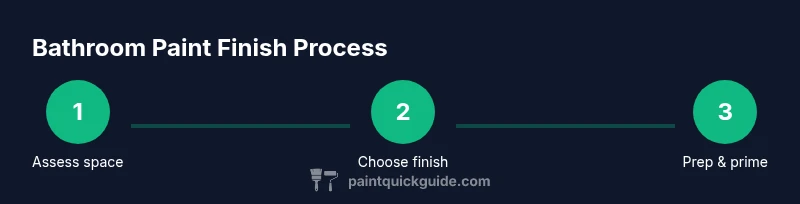
Before you jump into color or sheen, assess the space. Is the bathroom constantly steamy after showering, or does it have excellent exhaust ventilation? Are there water stains or damp areas that need extra attention? Answering these questions helps you pick the right sheen and plan for proper curing. Remember that proper ventilation and clean, dry surfaces are the foundation of a lasting finish.
Surface variability matters. If you have glossy tile, you’ll need a stain-blocking primer or Bonding Primer to ensure adhesion. If walls have existing water stains, an stain-blocking primer is essential to prevent bleed-through. For textured walls, a slightly higher nap roller can help lay down the paint evenly, while a brush will handle tight corners near fixtures. The goal is to create a uniform, non-sugary finish that cleans easily and resists mold growth over time.
The choice isn’t just about walls. Ceilings, trim, and cabinetry play a role too. In most bathrooms, ceilings benefit from a satin or eggshell finish for visibility of imperfections while staying relatively easy to clean. trims and doors, where durability matters most, typically receive a semi-gloss or high-gloss finish for superior washability. By coordinating sheen levels, you balance aesthetics with practical maintenance, creating a cohesive, durable look that lasts.
Practical tips for homeowners include swatching colors in the bathroom’s lighting, testing finishes on small patches, and reviewing product labels for mildew resistance and VOC content. Keep a small pack of matching touch-up paint on hand for quick repairs. With careful prep, the right sheen, and quality products, you’ll achieve a bathroom that looks fresh and clean with minimal effort over time. PaintQuickGuide’s recommendations emphasize patience in prep and a disciplined approach to finishing.
Authority sources you can consult include the EPA Indoor Air Quality guidelines, OSHA safety recommendations for painting, and NIOSH moisture and humidity considerations. These resources support best practices for indoor air quality, safety, and durable finishes in moisture-prone spaces. While every bathroom is different, following general guidelines helps achieve a professional result that lasts.
Tools & Materials
- Bathroom-grade acrylic latex paint (low-VOC)(Choose satin or semi-gloss for walls; avoid flat finishes in humid bathrooms)
- Primer (stain-blocking, moisture-resistant)(Bonding primer for glossy or difficult surfaces)
- Paint roller cover (9-12 inch), nap 3/8 to 1/2 inch(Smooth to lightly textured walls)
- Angled sash brush, 2-3 inch(For cutting in around fixtures and corners)
- Painter's tape, drop cloths(Protect fixtures and floors; secure edges)
- Mildew-resistant paint additive (optional)(Boosts resistance, not a substitute for ventilation)
Steps
Estimated time: Active time: 2-4 hours; total project time including cure: 24-72 hours
- 1
Prepare surface
Inspect walls for peeling paint, water damage, and mildew. Scrape, sand glossy areas, and clean with a mild detergent solution. Repair any cracks with putty and let dry fully before priming.
Tip: Use a putty knife at a shallow angle to avoid gouging the surface. - 2
Protect the area
Remove or cover fixtures, seal edges with painter’s tape, and lay drop cloths to catch dust. Ventilate the room to reduce fumes and speed drying. Keep doors open to improve airflow.
Tip: Mask extremely tight areas first, then tape off large surfaces. - 3
Prime the surface
Apply a stain-blocking primer on water stains or wood knots. Use even, thin coats and let each coat dry according to the label. A good primer improves adhesion and color uniformity.
Tip: Don’t skip primer on glossy surfaces; it dramatically improves paint grip. - 4
Cut in and fill in
Start with edges around ceilings, trim, and fixtures using a brush, then roll the walls with a 3/8-inch nap roller. Work in small sections to maintain a wet edge and avoid lap marks.
Tip: Maintain a light, even pressure to prevent roller stipple. - 5
Apply second coat
After the first coat dries, apply a second coat for full coverage and durability. Check for thin spots and touch up as needed. Avoid over-brushing to prevent streaks.
Tip: Timing between coats depends on humidity; follow the product’s recoat window. - 6
Cure and cleanup
Let the paint cure undisturbed for 24–72 hours depending on humidity. Clean brushes with soap and water, and dispose of rags safely to prevent heat buildup. Store leftovers for future touch-ups.
Tip: Do not rush cleaning; cured surfaces resist marks better.
Your Questions Answered
What finish is best for a bathroom?
Satin or semi-gloss finishes are typically best for bathrooms due to humidity and washability. Satin offers a softer look with good cleanability, while semi-gloss provides superior moisture resistance and easier cleaning on walls and trim.
For bathrooms, satin or semi-gloss finishes are usually best because they resist moisture and are easy to clean.
Can I use matte or eggshell in a bathroom?
Matte or eggshell finishes absorb more moisture and are harder to clean, making them less ideal for showers or high-humidity zones. They can work in dry bathrooms with good ventilation on least-used walls.
Matte is not ideal for bathrooms, but eggshell can work in low-humidity spaces with good ventilation.
Is primer necessary in a bathroom renovation?
Yes. Primers improve adhesion, seal porous surfaces, and prevent stains from bleeding through. Use a moisture-resistant primer on bathroom walls, especially where there is water exposure.
Primer is essential for durability and stain control in bathrooms.
How long does bathroom paint take to dry between coats?
Most bathroom paints dry to the touch within 1-2 hours, but recoat times vary by product. Check the label; humid conditions can extend drying times.
Check the product label for exact recoat times; humidity can slow drying.
Should I use mildew-resistant paint?
Yes. Mildew-resistant paints help reduce mold growth in damp spaces, but they work best with proper ventilation and cleaning routines.
Mildew-resistant paint helps, but ventilation is still key.
Watch Video
Quick Summary
- Choose satin or semi-gloss for durable bathroom finishes.
- Prep surfaces thoroughly for best adhesion.
- Prime properly to prevent bleed-through and improve coverage.
- Ventilate during application and curing to reduce fumes and moisture buildup.
- Select mildew-resistant, low-VOC paints for healthier spaces.