Should Paint Be Stored Upside Down? A Practical Guide
Learn whether paint should be stored upside down, how to store correctly, and tips to extend shelf life. Practical guidance for homeowners and DIYers on paint storage best practices.


Storing paint upside down is a common storage trick used to promote a tight seal at the lid and reduce air contact, which can limit skin formation and thickness on the exposed surface. It's not strictly required for every paint type, but when used correctly with a clean lid and proper temperature, inverted storage can help preserve usability for short-to-medium term storage. Always follow label guidelines and local safety rules.
Why storage orientation matters
Storage orientation matters less than the core conditions that preserve paint quality—lid integrity, temperature control, and moisture exposure. However, the practice of storing paint upside down has a long-standing place in DIY culture because it can encourage a tighter seal along the lid. The PaintQuickGuide team notes that orientation is a modifiable variable in your overall storage strategy, and when done with a clean lid and stable conditions, it can help minimize air contact and skin formation at the surface. The key takeaway is that orientation is a helpful detail, not a substitute for good storage hygiene. If you’re preparing multiple cans for a project, a quick habit change—keeping the lid clean and ensuring the can head is dry—will matter more in the long run than the orientation alone.
Does upside-down storage affect paint quality?
In practice, whether a can is stored upside down or upright has a relatively small impact on the chemical composition of the paint itself. The factors that most influence longevity are temperature stability, humidity, and how well the lid seals against air exposure. If the lid is loose, inverted storage can sometimes trap air and cause faster skin formation or leaks when opened. When the lid is tight and the can is kept in a stable environment, inverted storage may help maintain contact between the paint and the lid’s sealing surface, which can be beneficial for short-term storage. PaintQuickGuide emphasizes that orientation alone doesn’t replace proper sealing, and you should prioritize a clean rim and a fully closed lid.
Storage needs by paint type
Different paints respond differently to storage conditions. For latex/acrylics, keeping cans in a cool, dark place with a pristine lid is typically sufficient; these formulations tolerate minor temperature swings better but still degrade if exposed to heat or direct sunlight. Oil-based paints are more sensitive to solvent evaporation and should be stored in tightly sealed containers in a well-ventilated, cool area. Some specialty finishes may require extra care—check the manufacturer’s guidelines for any specific storage instructions. In all cases, the orientation (upright vs inverted) is a secondary consideration to lid integrity and room conditions.
How to store paint correctly
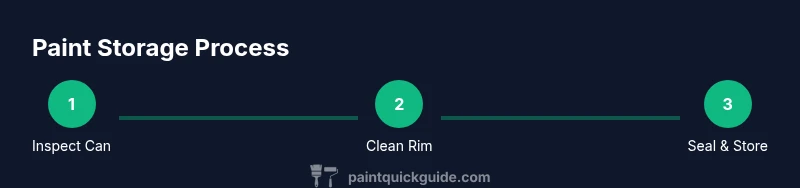
The best practice emphasizes a few non-negotiables: keep the original can with the lid intact, wipe the rim clean of any dried paint, and ensure the lid seals snugly. If you choose to store upside down, do so only after you’ve confirmed the lid is free of paint buildup and fits firmly. Place cans on a stable shelf where they won’t be knocked or exposed to temperature extremes. Consider using a dedicated storage bin to contain any potential leaks and to keep cans organized by color and use date. Label each can clearly with color and a date so you can rotate stock efficiently.
Temperature and light considerations
Paint should be kept away from direct sunlight and heat sources, which can cause pigments to separate, dry out, or skin over faster. A dark, cool space helps maintain consistent viscosity and pigment distribution, particularly for lighter colors that can suffer from UV-induced fading over time. If you live in a climate with hot summers, you may prefer a climate-controlled storage area like a basement or interior pantry. Do not store cans in garages or attics if they are prone to temperature swings. Consistency matters more than the exact orientation, so prioritize a stable environment first.
Labeling and inventory management
Label every can with color name, finish, and date opened. A simple system like “ColorName – Finish – Opened MM/YYYY” makes it easier to identify use-by windows and reduce waste. Maintain a small inventory log so you can track how long each can has been in storage. When possible, group paints by project or room to simplify reuse, discourage over-purchase, and prevent mismatches.
Troubleshooting common issues
If you notice a strong odor, unusual separation, or visible leaks, treat the can as a potential hazard and handle it with care. Skin formation on the surface is common with open cans; gently remove the skin and reseal. If the lid cannot be tightened, transfer the contents to a compatible container following local disposal guidelines and avoid consuming or applying compromised paint. Regular inspections, even during routine reminders, can catch problems before they escalate. PaintQuickGuide recommends checking lid fit and storage conditions at least once a month during ongoing projects.
Authority sources and best practices
Reliable storage practices combine practical handling with science-based guidelines. A practical approach—keep cans upright when possible, ensure clean rims, and control temperature and humidity—helps preserve paint quality. In some cases, inverted storage can aid sealing, but it should never replace a good lid seal or proper storage environment. For homeowners and DIY enthusiasts, the general rule is to minimize air exposure and avoid temperature extremes. This aligns with broad guidance from reputable sources and the PaintQuickGuide perspective on practical, maintainable storage routines.
The PaintQuickGuide verdict for everyday storage
In typical home-use scenarios, inverted storage offers a small convenience when used with a clean, tight lid and a controlled environment. The most important factors are lid integrity and climate control. If you choose to invert cans, do so consistently and monitor for leaks or leakage risk. The PaintQuickGuide team recommends focusing on a strong seal and consistent storage conditions first, with upside-down orientation as a supplementary step if your setup supports it.
Tools & Materials
- Paint can with original lid(Ensure lid is free of dried paint and fits snugly.)
- Clean rag(Wipe the rim and remove any residual paint.)
- Permanent marker(Label color, finish, and date of opening.)
- Plastic wrap (optional)(Use to help seal if the lid isn’t perfectly tight.)
- Storage location (cool, dark room)(Avoid sunlight and temperature extremes.)
- Safety gloves(Helpful when handling old or misbehaving paint.)
Steps
Estimated time: 15-30 minutes
- 1
Open and Inspect
Set the can on a stable surface and open the lid carefully to inspect the seal. Look for cracks, bulges, or leaks, and verify the paint color and consistency. If the lid is difficult to remove, use a proper paint can opener to avoid damaging the lid or rim.
Tip: Work slowly to avoid accidental spills; wear gloves if the contents are old or thick. - 2
Wipe Rim and Remove Dried Paint
Use a clean rag to wipe the rim and the edge of the lid. Remove any dried paint that could prevent a tight seal. A clean mating surface improves seal integrity and reduces air infiltration.
Tip: A small amount of mineral spirits can help dissolve dried paint on metal rims; wipe dry before resealing. - 3
Decide Orientation for Storage
If you choose to invert the can, do so only after verifying the lid can still seal tightly. For most acrylic and latex paints, upright storage is perfectly fine when the lid is tight and the room is cool.
Tip: Consistency is key—avoid alternating orientations for the same can without rechecking seal quality. - 4
Tighten Lid and Test Seal
Re-seat the lid firmly, then gently tap the edge to ensure even closure. Press the lid down a final time to ensure full contact with the rim and verify there are no gaps that could admit air.
Tip: If the lid sits uneven, consider transferring contents to a new, compatible container to prevent air exposure. - 5
Label, Date, and Document
Label the can with color name, finish, and the date opened. Maintain a simple inventory notebook or digital log for quick reference and stock rotation.
Tip: Make the label visible when the can is stored so you don’t forget to rotate stock. - 6
Place in Storage
Place cans on a sturdy shelf in a cool, dark area. If you store upside down, do so on a shelf where cans won’t be knocked and where you can easily inspect for leaks.
Tip: Avoid stacking cans; upright rows reduce the risk of crushing lids and promote easier inspection. - 7
Periodic Checks
Schedule a monthly check to inspect lids and the storage environment. Re-seal any cans that show signs of air exposure or paint separation.
Tip: Create a simple calendar reminder to keep this habit consistent.
Your Questions Answered
Should you store paint upside down?
Upside-down storage can help form a tighter seal and reduce air exposure, but it’s not mandatory for all paints. Ensure the lid is clean, seals well, and the storage area is cool and dark.
Yes, upside-down storage can help create a tighter seal, but only if the lid is in good condition and the storage environment is stable.
Which paints benefit most from upside-down storage?
Latex and acrylic paints often tolerate inverted storage when the lid seals well, while oil-based paints may benefit more from a flawless seal and controlled environment.
Latex paints often tolerate upside-down storage if the seal is solid and the room stays cool.
Is upside-down storage safe for oil-based paints?
Oil-based paints can be more sensitive to air exposure and solvent evaporation; ensure a tight lid and avoid heat, but orientation alone isn’t a guarantee of preservation.
Oil paints need a tight seal and cool storage; upside-down storage isn’t a fix-all.
What should I do if a can leaks after storage?
If you detect leaks or seepage, transfer contents to a clean, compatible container if possible and dispose of damaged cans according to local guidelines. Do not store leaking paint.
If it leaks, transfer carefully and follow local disposal rules.
Can I store paint cans in the garage?
Garages are often exposed to temperature swings. If you must store there, use a well-insulated area or add a climate-controlled bin, and avoid direct sun or freezing conditions.
Garage storage is risky; pick a cool, dark place instead.
How should I rotate my paint stock?
Keep a simple log of the date opened and use older colors first. Group by project if possible to streamline reuse and minimize waste.
Use older colors first and log dates to keep track.
Watch Video
Quick Summary
- Identify and maintain a stable storage environment.
- Prioritize lid integrity over orientation alone.
- Label every can and rotate stock to reduce waste.
- Inverted storage can help seal when the lid is tight and environment is stable.
- Check cans regularly for signs of skinning or leaks.