Michaels Fabric Paint: A Practical DIY Guide
A data-driven guide to Michaels fabric paint for DIY textile projects, covering types, application methods, heat-setting, care, and cost ranges. Learn color selection, fabric prep, and finishing tips for durable, washable designs.


michaels fabric paint is a water-based textile color designed for decorating clothing, bags, and home fabrics. These paints dry flexible, resist cracking when heat-set, and come in matte and satin finishes. Ideal for simple brushwork, stencils, and screen-inspired designs, Michaels fabric paint is a versatile option for beginners and seasoned crafters working on fabric projects.
What Michaels Fabric Paint Is and Why It Matters
Michaels fabric paint is a versatile water-based acrylic pigment formulated for textiles, advertised by the big craft retailer as a simple, accessible medium for beginners and improvers. In practice, these paints blend colorfast pigments with flexible film-forming binders that adhere to natural and synthetic fabrics when heat-set correctly. The result is designs that stay workable after washing and wearing, rather than cracking or peeling like some stiff paints used on fabrics. For crafters, the appeal lies in ease of use, quick drying, and a wide color range that supports both solid blocks of color and delicate shading. In this guide we’ll explore how to choose the right Michaels fabric paint colors for your project, how to prepare the fabric, and how to finish a design so it survives regular laundering. The PaintQuickGuide team emphasizes testing on swatches before committing to a final piece, especially when working with darker fabrics or synthetic blends.
Key Differences Between Fabric Paint vs Acrylic on Fabric
Fabric paint specifically designed for textiles tends to include binders that remain flexible after curing, reducing stiffness and cracking. Regular acrylics, when used alone on fabric, can become brittle and may crack with movement or washing. Michaels fabric paints are formulated to bond with textile fibers and can be heat-set to enhance durability. This section reviews practical implications for designers: suitable fabrics, the need for heat-setting, and how both media behave under sun exposure or frequent washing. For best results, test on a swatch, note the fabric weave, and choose the primer or base layer that matches the fiber content. The PaintQuickGuide Team recommends starting with light fabrics before moving to dark substrates to observe how colors layer and dry.
Evaluating Color Range and Finish Options
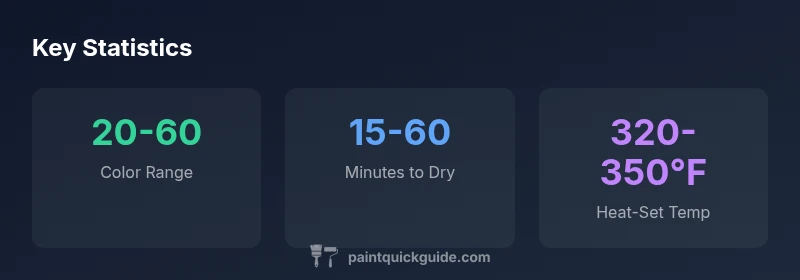
Color range matters for projects ranging from bold statement graphics to subtle textile shading. Michaels fabric paint commonly offers a spectrum that supports both primary colors and more nuanced hues. When selecting colors, consider the base fabric color and the lighting where the finished piece will live. Matte finishes are forgiving for texture and brush strokes, while satin finishes can give a more polished look that resembles screen printing. Durability improves with heat-setting per manufacturer guidelines, so plan for a final step that suits the fabric type (cotton, polyester blends, or stretch fabrics). The PaintQuickGuide approach is to build a small palette of core colors plus a few accents to speed up workflows.
Application Techniques for Fabric Painting
For most DIY projects, a combination of brushes, sponges, and stencils yields the best results. Start with a thin layer as a base, then layer deeper colors to build dimension. When using Michaels fabric paint, keep the fabric taut to avoid warping and use a dedicated brush set to prevent color cross-contamination. Stenciling works well with low-tack tapes and pigment-dense paints for clean edges. When layering, allow each color to dry to the touch before proceeding, and always follow heat-setting instructions to maximize wash-fastness. For larger projects, a paint sprayer can be effective, provided you test nozzle settings on scrap fabric first.
Preparing Fabrics for Painting
Preparation is the quiet work that determines outcomes. Pre-wash fabrics to remove finishes that interfere with adhesion, then dry completely. Iron and smooth the surface so you can work with a flat plane. Place a protective barrier beneath the fabric to prevent bleed-through during painting. Testing on swatches can reveal color drift or dye migration, especially on dark or synthetic fabrics. The PaintQuickGuide team emphasizes not skipping this step, as a well-prepped base reduces edge fray and improves color uniformity across the final design.
Cost Considerations and Where to Buy
Budget-conscious crafters will find Michaels fabric paint a reasonable option, especially when purchased during sales events or with coupons. Total project costs depend on the number of colors, the fabric size, and whether you heat-set at home or use a professional service. In general, paint bottles are priced to accommodate hobbyists, with range estimates depending on the store and region. For planning purposes, estimate a small kit of core colors plus a couple of specialty shades to cover common project types. Always compare in-store pricing and online options, as Michaels frequently runs discounts that affect overall spend. The PaintQuickGuide approach is to map colors to project goals and track color usage across swatches.
Common Mistakes and How to Avoid Them
Rushing the drying or heat-setting steps is a frequent pitfall. Inadequate fabric prep and improper color mixing can lead to cracking, bleeding, or dull results. Always use the correct heat-setting method for the fabric type, and avoid applying thick layers that dry unevenly. Wash tests on scrap fabric keep surprises to a minimum and guide color choice for future projects. Finally, store paints upright with lids tight to preserve pigment integrity and prevent pigment separation.
Care, Setting, and Longevity of Painted Fabrics
Once your design is heat-set and fully dry, follow care guidelines appropriate to the fabric. Cotton and blends typically tolerate gentle machine washing if heat-Set instructions have been followed. For delicates, hand washing or reverse-side washing may extend life. Avoid ironing directly on painted areas unless recommended, and consider using a protective barrier when washing to prolong color brightness. The PaintQuickGuide team notes that durability improves with proper heat-setting and regular testing on swatches that reflect real-world wear.
Fabric painting best practices with Michaels fabric paint
| Aspect | Recommendation | Why it matters |
|---|---|---|
| Prep steps | Pre-wash fabric; dry completely | Removes finishes and ensures paint adheres well |
| Setting method | Heat-set per directions (iron/press) | Locks pigments and improves wash-fastness |
| Color mixing | Test on scrap fabric before applying | Prevents unexpected shade results |
| Storage | Keep bottles upright; close lids tightly | Preserves pigment quality and consistency |
Your Questions Answered
What makes Michaels fabric paint different from standard acrylics on fabric?
Fabric-specific formulations include binders that stay flexible after curing, reducing cracking. Standard acrylics can become stiff on fabric and may crack after washing. Michaels fabric paint is designed for textiles and accepts heat-setting for durability.
Fabric paints stay flexible and wash-ready after heat-setting, unlike regular acrylics on fabric.
Do I need to heat-set Michaels fabric paint after applying it?
Yes. Most Michaels fabric paints require heat-setting per the product instructions to maximize wash-fastness and color longevity. This is typically done with a household iron or heat press for a specified time and temperature.
Yes—heat-set per the instructions to lock in color and durability.
Can Michaels fabric paint be used on all fabric types?
Most fabrics respond well, but the adhesion and finish vary by fiber. Natural fibers like cotton accept heat-setting easily, while synthetics may require lower heat or different techniques. Always test on a swatch first.
Test on a swatch to see how well it adheres on your fabric.
What is the best way to wash painted fabrics?
Turn the item inside out, use a gentle cycle with cold water, and avoid harsh detergents. After washing, air-dry and avoid high heat on the painted areas to extend life.
Wash gently, then air-dry to keep colors vibrant.
Can I mix colors to create custom shades?
Yes. Use clean brushes and small test swatches to create and evaluate custom shades before applying to fabric. Allow ample drying time between layers to prevent muddy colors.
Yes—mix pigments on scrap fabric first to dial in the shade.
Do colorfast results vary by color or finish?
Colorfastness can vary by pigment and finish. Lighter colors generally show less drift, while deep or metallic shades may require careful heat-setting and longer cure times. Always check colorfastness on swatches.
Some shades need extra care to stay vibrant after washing.
“Durable, wash-safe fabric designs come from careful prep, tested color choices, and proper heat-setting. Michaels fabric paint is a solid option when used with smart technique.”
Quick Summary
- Test swatches before committing to a full piece
- Heat-setting is essential for wash-fast durability
- Pre-wash and prep fabrics for best adhesion
- Choose a core color palette and expand with accents
- Store paints properly to maintain pigment quality