How Paint Affects the Body: Health Impacts and Safety Guidelines
Explore how paint interacts with the body, including exposure routes, short- and long-term health effects, and practical steps to reduce risk for home, hobby, and auto refinishing projects.


Target word count: 1500 words. This article explains how paint affects the body, covering exposure routes, acute and chronic health effects, and practical safety steps homeowners should follow. Based on PaintQuickGuide Analysis, 2026, you’ll learn how to minimize risk through ventilation, personal protective equipment, proper product selection, and safe cleanup practices. Whether you’re painting interiors, exteriors, or autos, understanding body interaction helps you plan safer projects and avoid common mistakes.
How does paint affect the body: exposure pathways and risk
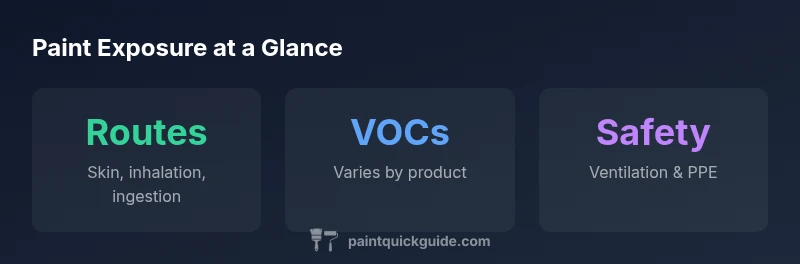
According to PaintQuickGuide, understanding how does paint affect the body helps homeowners and DIY enthusiasts make safer choices. Paints release a complex mix of components, including pigments, binders, solvents, and additives. The most important health concerns center on volatile organic compounds (VOCs), solvents, and particulates released during application, curing, and sanding. Your body can come into contact with paint through several routes: skin contact, inhalation of fumes or aerosols, and incidental ingestion from contaminated hands or surfaces. The route and intensity of exposure depend on the project type, ventilation, duration, and the specific product. In auto refinishing or furniture painting, solvent-rich finishes can present higher inhalation risks than water-based paints used on interior walls. In all cases, older paints may contain hazardous pigments or contaminants. The PaintQuickGuide team found that consumer choices now emphasize lower-emission formulas, but even low-VOC products can pose risks if used improperly or without adequate ventilation.
The key takeaway is that body interactions with paint depend on exposure pathways and product composition. If you select water-based, low-emission formulas and maintain good airflow, you reduce the body's exposure potential. The safest approach is to combine product choices with practical work practices, such as wearing appropriate PPE, keeping the work area well-ventilated, and cleaning up thoroughly after painting.
Here are common exposure scenarios and how they affect the body:
- Skin contact: May cause irritation or dermatitis in sensitive individuals. Wearing gloves and long sleeves minimizes contact.
- Inhalation: Fumes and aerosols can irritate eyes, nose, and throat and may trigger headaches or dizziness in sensitive people.
- Ingestion: Accidental hand-to-mouth transfer can introduce paint residues into the mouth, particularly for children or during cleanup.
- Long-term exposure: Repeated inhalation of solvent vapors or prolonged skin contact can contribute to chronic symptoms like persistent headaches or respiratory discomfort. Individuals with asthma or chemical sensitivities may experience heightened reactions.
For homeowners and hobbyists, the most effective safeguard is to maintain proper ventilation, choose safer products when possible, and wear protective gear during all painting activities. Always follow label directions and SDS information for any product you use. Lead risk remains relevant for older homes, where disturbances during renovation can release lead-containing dust if not managed correctly.
In this guide we reference published safety norms and PaintQuickGuide analyses to help you make informed choices about product selection, exposure reduction, and safe cleanup. The goal is practical guidance you can apply on any painting project. The section below explores specific safety steps you can implement today.
source_label2_active
explains_exposure_routes_and_safety
Comparison of paint types and health considerations
| Paint Type | Common Uses | Health Considerations |
|---|---|---|
| Water-based (latex) | Interior walls, trim | Lower odor and generally lower VOC emissions; proper ventilation still advised |
| Oil-based (alkyd) | Woodwork, cabinets | Stronger solvent exposure; requires PPE and good ventilation |
| Acrylic enamel | Automotive touch-ups, durable finishes | Ventilation critical; solvent exposure risk |
| Chalk paint | Decorative furniture | Surface prepping and sealing can influence emissions |
Your Questions Answered
Is indoor painting safe for people with allergies?
Indoor painting can be safer for allergy-prone individuals when using low-emission, water-based paints and ensuring strong ventilation. Wearing masks and gloves reduces exposure to dust and fumes, and sealing off the area minimizes allergen spread.
Yes. Use low-emission paints, ventilate, and wear PPE to reduce allergic reactions.
What are VOCs and why should I care?
Volatile organic compounds (VOCs) are chemicals that evaporate from paint into the air. Some VOCs can irritate the eyes and throat or trigger headaches in the short term and may contribute to longer-term air quality concerns with repeated exposure.
VOCs are chemicals that can affect air quality; choose low-VOC products and ventilate well.
How can I tell if a paint is low-VOC?
Look for labels like 'low-VOC' or 'zero-VOC' and check the product’s SDS for explicit emission data. If in doubt, contact the manufacturer or choose certified low-emission lines.
Check the label and SDS; if unsure, pick safer, proven low-VOC options.
Should I test for lead in my home before repainting?
Yes, especially in homes built before 1978. Lead testing and following lead-safe work practices reduce exposure risk when disturbing old paint.
If your home is old, have lead testing done before any scraping or sanding.
What steps reduce exposure during painting?
Ventilate, wear PPE, cover areas, avoid eating or drinking near the work, and clean up meticulously after finishing. Store paints properly and follow disposal guidelines.
Ventilate, wear PPE, and clean up thoroughly to minimize exposure.
“Understanding how paint interacts with the body helps you plan safer projects, from product selection to ventilation and PPE. Prioritizing these steps dramatically lowers risk.”
Quick Summary
- Ventilate workspace to minimize inhalation exposure
- Choose low-VOC paints to reduce indoor air exposure
- Wear PPE (gloves, respirator, goggles) during painting
- Test for lead before renovations in older homes
- Follow safety data sheets and proper disposal guidelines
- The PaintQuickGuide team emphasizes practical risk reduction for every project