Can Paint Be Stored in a Garage? A Practical Guide
Learn safe, practical strategies for storing paint in a garage, including temperature tips, container care, and disposal guidelines to extend shelf life.


Yes—garage storage is possible when paints are sealed, contained, and kept within safe temperature and humidity ranges. See our full step-by-step guide for setup, safety checks, and maintenance.
Can paint be stored in a garage? Practical guidelines
Storing paint in a garage is common for DIYers, but it isn't always ideal. The question can paint be stored in a garage is frequently asked, and the answer is yes, with strict conditions. Keep paints in their original containers with tight lids, away from heat sources, and out of direct sunlight. Use a fire-safe cabinet or a dedicated secondary container for spill protection, and implement a simple labeling system so you can quickly identify contents, dates, and hazardous materials. Temperature and humidity matter: aim for a stable range (roughly 50–85°F) and moderate humidity to minimize evaporation and degradation. You should also separate paints from solvents, fuels, and cleaners to reduce fire risk and chemical interactions. By following these guidelines, you can extend shelf life and keep your garage organized.
Understanding paint types and their storage needs
Not all paints behave the same when stored long-term. Water-based latex paints generally tolerate cooler temperatures better and are safer to store than oil-based enamels, which may deteriorate if exposed to heat. Consider the storage container: keep paints in their original cans with tight-fitting lids; if a lid is damaged, transfer contents to a compatible, sealable container. Label each can with the color, type, and date opened. For large batches, use a secondary containment tray to catch leaks and keep shelves clean. Always rotate stock so older paints are used first, and check for signs of spoilage, such as separation, foul odor, or surface film. can paint be stored in a garage is a common concern for many DIYers, and understanding the storage needs by paint type helps prevent waste.
Temperature, humidity, and ventilation: how they affect paint
Paints are sensitive to temperature swings. Excessive heat can accelerate chemical changes in oil-based paints, while freezing can ruin latex formulas. Ideal garage storage conditions are moderate temperatures (not freezing, not scorching) and low to moderate humidity. If your garage has year-round exposure to sunlight, install opaque bins or place cans on shelves away from direct sun. Ventilation reduces the buildup of fumes and helps prevent condensation that can rust metal lids. If you can't control ambient conditions, consider moving larger quantities of paint to a climate-controlled closet inside the home or a dedicated storage cabinet. can paint be stored in a garage requires careful temperature and ventilation management to prevent degradation.
Containing and organizing: cans, lids, and safety containers
Containment is a key safety step. Keep all paint cans on spill-proof trays or in a dedicated bin to prevent leaks from reaching floors and walls. Inspect lids for corrosion or cracks, and replace damaged ones. Use finger tabs or wide-mouth lids to ease future resealing. For solvents or thinner, store in a separate, flammable cabinet with a labeled hazard warning and fire extinguisher nearby. Create a simple labeling system: color or type and date opened; consider marking "do not mix" with a simple symbol. can paint be stored in a garage should be organized with clear containment strategies.
Safe storage setup: shelves, containers, and labeling
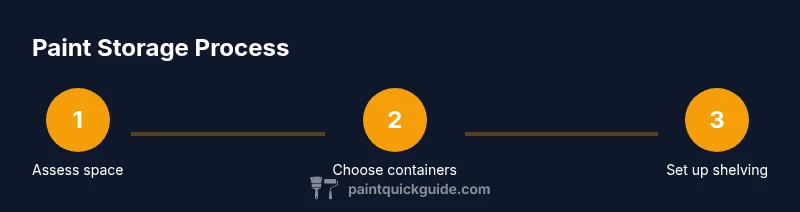
Set up sturdy shelving anchored to studs to support weight. Position storage away from vehicles, heat sources, and ignition points. Use closed containers for powders and aerosols; ensure aerosol cans are upright. Keep an inventory list with quantities and expiry dates; review monthly to discard anything that shows spoilage. Use stickers or a printer to label shelves by paint type or color family, and include a reminder to check lids and seals. A small fire-safe cabinet in the garage corner can be a prudent investment. can paint be stored in a garage benefits from a thoughtful, labeled layout.
Special considerations: oil-based vs water-based, latex, enamel
Oil-based paints require more ventilation and stricter disposal rules due to solvents. Water-based paints are generally safer for garage storage, but still need to be kept away from heat and direct sun. When storing spray primers or enamels, ensure their propellants are contained and the cans are upright. Avoid opening more than necessary; reseal promptly. If you must decant paint for long-term storage, use labeled, tightly sealed containers designed for chemical storage. can paint be stored in a garage versus indoor storage shows why knowing paint chemistry matters.
Disposal, shelf life, and what to do with old paint
Check local guidelines for disposal; many areas require take-back programs for old paint. Determine shelf life by paint type: latex typically lasts longer when unopened; opened paints degrade faster, and oil-based formulations can endure longer if stored under stable conditions. If paint is exposed to heat, has begun to separate with a foul odor, or forms a skin, it should be discarded. Do not mix old paint with new without a plan for use; label and set aside for proper disposal. can paint be stored in a garage should always be paired with a disposal plan.
Tools & Materials
- Seal-tight paint cans and original lids(Keep lids on when not in use; inspect for corrosion)
- Flammable storage cabinet (steel, fire-rated)(Dedicated space for solvents and paints)
- Thermometer and hygrometer (digital)(Monitor temperature 50–85°F and humidity 40–60%)
- Shelving or wall-mounted storage(Sturdy, anchored to studs; keeps cans off the floor)
- Leak-proof spill trays or plastic bin(Secondary containment for leaks)
- Labels and permanent marker or label maker(Date opened, type, color, shelf location)
- A fire extinguisher (Class B/C)(Keep accessible; know how to use)
- Absorbent material (spill pads or kitty litter)(For small spills)
- Desiccant packs (silica gel)(Reduces moisture inside cans)
- Waste disposal bags or container(For contaminated rags and materials)
Steps
Estimated time: 60-120 minutes
- 1
Assess the space and set safety boundaries
Survey the garage for traffic, heat sources, and potential ignition points. Identify a dedicated area away from the driveway and vehicles. Note ambient temperature and humidity so you know if the space meets storage needs.
Tip: Record current temps and humidity; if temps exceed 85°F or drop below 50°F, pause storage and adjust the space. - 2
Gather tools and materials
Collect all required containers, lids, labeling supplies, and shelving before moving paints. This prevents frequent trips and helps you arrange items efficiently.
Tip: Have a dedicated tray or tub to consolidate paints by type during sorting. - 3
Sort paints by type and age
Group latex, oil-based, and enamel paints separately. Prioritize older, open cans for earlier use and plan disposal for deteriorated products.
Tip: Use a color-coded system to quickly identify categories at a glance. - 4
Inspect containers for leaks and damage
Check each can lid and body for corrosion, bulging, or leaks. Reseal or transfer contents to a compatible container if needed.
Tip: Never store damaged cans in the same tray as intact ones. - 5
Prepare secondary containment
Place paints in spill trays or a shallow bin to catch leaks and drips. Line the tray with absorbent materials if spills are likely.
Tip: Designate a dedicated spill area away from the floor drainage to simplify cleanup. - 6
Set up shelving and dedicated storage cabinet
Install sturdy shelves and place the fire-safe cabinet in a corner. Keep cans off the floor and away from walls to minimize moisture exposure.
Tip: Anchor shelves to studs to prevent tipping when reaching for cans. - 7
Label everything clearly
Label cans with color, type, date opened, and shelf location. Create shelf labels to indicate category and rotation order.
Tip: Use waterproof labels to prevent smudging from humidity or spills. - 8
Move paints into storage and set a monitoring routine
Place paints on shelves in a logical order (older first) and set a monthly reminder to check lids, seals, and stock.
Tip: Rotate stock regularly to minimize waste and ensure usability. - 9
Review safety and disposal plan
Know local disposal rules for old paint and solvents. Keep a list of contact numbers for hazardous waste programs.
Tip: Store a small amount of absorbent material for quick spill response.
Your Questions Answered
Is it safe to store all types of paint in a garage?
Storage safety varies by paint type. Water-based paints are generally safer to store in a garage than oil-based paints, but all should be kept in sealed containers away from heat and ignition sources.
Storage safety varies by paint type; water-based paints are usually safer, but seal everything tightly and keep away from heat.
What temperature range is best for storing paint in a garage?
Aim for a stable temperature between mild extremes and avoid freezing or overheating. If the space experiences wide swings, consider moving paints to a climate-controlled area.
Keep the garage in a stable, moderate temperature and avoid freezing or overheating.
How long can unopened paint last in a garage?
Shelf life depends on paint type and storage conditions. unopened latex paints last longer under proper conditions, while oil-based paints may endure longer if stored correctly.
Shelf life varies by paint type; keep unopened cans in a cool, dry place and check periodically.
Should I mix old paint with new?
Generally avoid mixing old paints with new ones. If you must reuse, test compatibility in a small amount and label properly to prevent waste and mixing errors.
Don't mix old and new paints without testing first; label any mixed batches clearly.
Can I store paint thinner or solvents near paint?
No—store solvents and paints in separate, clearly labeled containers, ideally in a dedicated flammable cabinet to reduce fire risk.
Keep solvents separate from paint in a dedicated, labeled fire-safe cabinet.
What should I do with leftover or old paint?
Check local regulations for hazardous waste programs. Many areas offer take-back options or designated collection events for old paint.
Follow local hazardous waste guidelines; many places provide paint take-back options.
Watch Video
Quick Summary
- Inspect and seal cans before storage
- Maintain stable garage conditions
- Separate paints from fuels and solvents
- Label clearly and rotate stock
- Plan for disposal and regular maintenance