Black Spray Paint: Practical DIY Guide for Home and Car
Learn how to use black spray paint safely and effectively on wood, metal, plastic, and automotive parts. This guide covers prep, masking, layering thin coats, finishing, and cleanup for durable results.


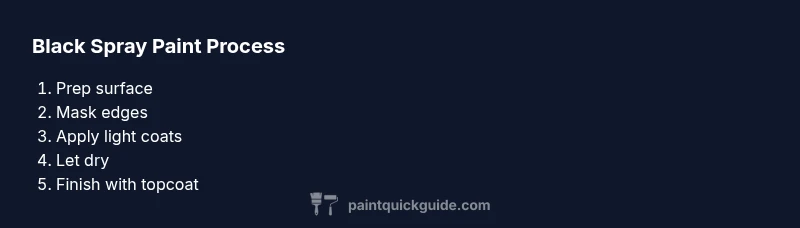
Goal: achieve a smooth, durable finish using black spray paint on wood, metal, plastic, or automotive panels. Key requirements are clean, dry surfaces; masking for clean edges; multiple thin coats applied evenly; and good ventilation with proper safety gear. Plan for time between coats and a protective topcoat.
What makes black spray paint a popular choice\n\nBlack spray paint is a workhorse for DIY projects because it covers quickly and hides surface imperfections with relatively few passes. For homeowners aiming for a bold, modern look, black provides a timeless, versatile backdrop that works on wood furniture, metal fixtures, plastic components, and even automotive trim. When you choose a finish—matte, satin, or gloss—black remains a forgiving base that hides dust and scratches better than lighter colors in many lighting situations. When used correctly, black spray paint is not a miracle cure but a practical tool. In this guide, we treat black spray paint as a tool, not a final solution; proper prep, masking, and thinning (when appropriate) will maximize adhesion and longevity. PaintQuickGuide’s research shows that most projects benefit from thin, evenly spaced coats rather than heavy one-pass applications. In practice, black spray paint shines on high-contrast projects like updating cabinet hardware or reviving an old bicycle frame, where the dramatic color can transform the look with minimal effort.
Surface prep: cleaning, sanding, and priming\n\nBegin with a thorough cleaning to remove oils, dust, and residues. A degreaser or mild detergent helps dissolve sticky grime, and a wipe with isopropyl alcohol ensures a clean surface for the paint to grip. If the surface is glossy, scuff it with fine sandpaper to create a mechanical key for the paint. Bare metal and hard plastics often benefit from a thin primer or bonding primer; a primer improves adhesion, reduces uneven absorption, and can prevent staining from the underlying surface. After priming, let the surface dry completely according to the product’s instructions; a dry surface is essential to prevent paint from pooling or peeling later. For surfaces that have old chipped paint, remove loose flakes first and lightly sand the edge to blend. Always work in a well-ventilated area and wear a protective mask.
Masking and protection: tape, drop cloths, ventilation\n\nMask edges with painter’s tape to create crisp lines, especially where you want to keep hardware, glass, or fabric untouched. Use drop cloths or old newspapers to protect floors and surrounding objects from overspray. Position a fan to move air away from your face and open exterior doors or windows to increase ventilation, which reduces inhalation risks and helps the paint dry evenly. For small parts, consider using a dedicated spraying booth or a cardboard box setup to minimize mess. Wear a respirator or mask with organic vapor cartridges and gloves to protect your skin from solvents. If you have to spray near a pet or child, postpone the project or relocate to a safer area. Keep cans upright and test spray on a cardboard before committing to the work piece.
Choosing the right finish and old paint compatibility\n\nIdentify the surface you’re painting and determine whether you need a primer based on the old finish. Dark colors like black can emphasize surface flaws if the base isn’t properly prepared, so choose a compatible primer for wood, metal, or plastic. If you’re painting over gloss enamel or previously painted surfaces, an adhesion-promoting primer will improve bite and reduce flaking. Matte, satin, and gloss black finishes each change the look and feel: matte hides surface irregularities but shows fingerprints more readily, satin balances depth and sheen, and gloss provides a strong, reflective finish. For automotive projects, verify compatibility with existing coatings and consider a dedicated automotive primer. In all cases, test a small area first to confirm how the new coat will look under your lighting.
Applying in multiple light coats: technique and overlap\n\nApply thin, even coats with smooth, steady passes. Keep the nozzle roughly eight to twelve inches from the surface and move in long, continuous strokes to avoid pooling. Overlap each pass slightly to ensure even color and minimize streaks. If you see a heavy build that looks like runs, back off and apply a lighter coat. Allow each coat to dry to the point where it’s not tacky before applying the next; this prevents trapping solvents and creates a smoother finish. For textured surfaces, use longer, lighter passes to reach into crevices rather than trying to fill them with a single thick coat. Between coats, inspect the surface under bright light and adjust your technique as needed. Remember: multiple light coats beat one heavy coat for durability and a uniform appearance.
Drying times and curing: how to stack coats\n\nAfter applying a coat, give the paint time to dry according to the product instructions; drying to touch is a different milestone than full curing. In many cases, you’ll want to wait a short period before applying the next coat to prevent tackiness or smudging. Ensure the finish is protected from dust and drafts during drying. Once the final coat is dry to the touch, you can reassemble components or handle the item carefully; complete curing may take longer, especially in cooler or humid environments. If you’re spraying in several sessions, label the project with the date and the coat order to avoid confusion later.
Common project ideas: furniture, metal, plastics, automotive panels\n\nBlack spray paint transforms old furniture by concealing scratches and creating a new, contemporary look. It’s also used to refresh metal hardware or decorative accents on appliances. Plastics like baskets or bike parts may require a specialized primer for good adhesion, but many plastics respond well to high-quality spray paints when surfaces are properly prepped. For automotive applications, black spray paint can be used for trim, grills, or details, provided you use the right primer, color coat, and clear protective topcoat. In all cases, plan for multiple light coats instead of a single, heavy spray that could run or peel. This approach yields a durable, even finish that’s easier to touch up later.
Troubleshooting common issues: runs, orange peel, fisheye\n\nRuns occur when a coat is laid on too thick or the surface is too warm and causes rapid solvent evaporation. If you notice a hang or drip, stop spraying, let the area dry, and lightly sand the affected spot before applying a fresh coat. Orange peel resembles the texture of an orange skin and results from excessive spray distance or too rapid a pass; adjust your distance and apply thinner coats. Fisheye can appear if the surface isn’t clean or contains oil residues; re-clean and lightly sand, then apply a fresh coat using a primer or sealer to promote even adhesion. For all issues, practice on a scrap piece before returning to the actual project to refine your technique.
Cleanup, storage, and disposal safety\n\nDispose of spray paint cans according to local guidelines; many communities require can be empty before disposal. Clean your spray tip with an appropriate solvent and store cans upright in a cool, dry place away from heat sources. Remove masking tapes after the final coat once the surface is dry to avoid peeling paint. Proper ventilation should continue during cleanup as solvents can release fumes. Keep brushes and rags in a sealed metal container to prevent spontaneous combustion; never leave rags damp with solvent in a pile. By maintaining your tools and workspace, you extend the life of your spray paints and keep your projects safe for others.
Authority sources and further learning\n\nTo deepen your understanding of painting safety and best practices, check official resources from OSHA, the EPA, and CDC’s NIOSH program. These sources offer guidelines on ventilation, chemical exposure, and safe disposal practices to complement hands-on guidance from PaintQuickGuide.
Tools & Materials
- Black spray paint (choose finish and surface compatibility)(Select appropriate nozzle size and a paint suited for the surface (wood, metal, plastic, or automotive) and the desired sheen.)
- Primer (bonding or adhesion-promoting)(Use on plastics, bare metal, or glossy surfaces to improve adhesion.)
- Clear topcoat (optional)(For added durability and UV resistance on exposed projects.)
- Safety gear: respirator or mask(Prefer organic vapor/particulate cartridges; protect lungs during spraying.)
- Gloves(Nitrile or latex gloves to keep hands clean and avoid solvent exposure.)
- Drop cloths or old newspapers(Protect work area from overspray and stains.)
- Painter’s tape(Creates clean edges and protects areas you don’t want painted.)
- Sandpaper (120–320 grit) and sanding block(Scuff glossy surfaces and blend edges for adhesion.)
- Rubbing alcohol or degreaser(Clean surfaces before priming to improve bite.)
- Lint-free cloths(Wipe surfaces and clean up any overspray.)
- Solvent or paint thinner(Use sparingly to clean tools and remove tacky spots.)
Steps
Estimated time: Estimated total time: several hours
- 1
Set up the workspace
Clear the area, lay down drop cloths, and open ventilation. Organize your tools within reach and check that the spray paint is the correct type for the job. A clean, well-ventilated space reduces fumes and helps you maintain control over spray patterns.
Tip: Have a scrap piece handy to test spray distance and feel for consistent velocity. - 2
Prepare the surface
Wash, degrease, and dry the surface. If it’s glossy, lightly sand to create a key. Remove dust with a clean cloth. For bare metals or plastics, apply primer if needed and allow it to dry fully.
Tip: Wipe with isopropyl alcohol after drying to remove any remaining oils. - 3
Mask edges and protect nearby areas
Apply painter’s tape along edges you don’t want painted. Place drop cloths over nearby floors and objects. Ensure any vents or openings are controlled to avoid overspray migration.
Tip: Keep a small fan blowing away from your face to improve ventilation without blowing overspray. - 4
Shake and test the can
Shake the can vigorously for the recommended time to mix pigments and solvents. Test spray on a cardboard surface at a distance to confirm you’re getting a fine mist and even coverage.
Tip: If the spray sounds uneven or choppy, the can may be cold or near the end of its life. - 5
Apply the first light coat
Hold the can at a comfortable distance and sweep in smooth, even passes. Do not linger on one spot. The goal is an ultra-thin initial layer.
Tip: If you notice orange peel, back off a bit and increase distance slightly for the next coat. - 6
Inspect and plan the next coats
Check the surface under bright light for coverage gaps or uneven areas. Decide whether you need additional coats or adjustments in technique. Plan to apply subsequent coats in quick, dry passes.
Tip: Address runs by stopping, letting the spot dry, and applying a precise touch-up coat later. - 7
Apply additional light coats
Continue with several thin coats rather than one thick layer. Maintain consistent distance and overlap slightly with each pass. Allow a short dry period between coats to avoid trapping solvents.
Tip: Keep a consistent rhythm to avoid streaks or splotches. - 8
Address problem areas
Touch up any missed spots or thin areas with a light, targeted coat. For edges and corners, use short, controlled strokes to avoid runs.
Tip: Apply to small areas gradually rather than trying to cover large sections in one pass. - 9
Final check and topcoat (optional)
Assess the overall finish. If you want added durability or UV resistance, apply a clear topcoat after the final black coat has cured to the touch. Follow product drying guidelines for best results.
Tip: Test the topcoat on a scrap piece to confirm compatibility with the black spray paint. - 10
Clean up while finish dries
Clean tools with an appropriate solvent and store leftovers in a sealed, upright container. Allow final curing in a dust-free area before handling the piece. Proper cleanup prevents odor buildup and waste.
Tip: Ventilate during cleanup, and never store solvent-soaked rags where heat can build up. - 11
Reassemble and monitor
Once fully cured, reassemble parts and inspect the finished project for any touch-ups needed. Regular maintenance and gentle cleaning will keep the finish looking fresh longer.
Tip: Avoid aggressive scrubbing; use a mild soap solution to preserve the finish. - 12
Store and save color
Keep spray paint in a cool, dry place away from heat and direct sunlight. Label the can with the date and project name to make future touch-ups easier.
Tip: Keep cans upright and check the seal before storage to prevent leakage.
Your Questions Answered
Is black spray paint suitable for outdoor use?
Yes, but choose an outdoor-rated formula and ensure proper sealing and drying to withstand weather. Always check the can label for exterior compatibility and recommended topcoat.
Yes, you can use it outdoors, but pick an exterior-rated formula and let it dry fully between coats.
Do I need a primer for plastics?
Most plastics benefit from a bonding primer designed for plastics to improve adhesion and uniformity. Follow the primer’s guidance and allow it to dry before painting.
Yes, plastics usually need a bonding primer to help the paint stick.
Can black spray paint go over glossy surfaces?
Yes, with proper surface preparation. Lightly scuff the gloss with fine sandpaper and apply a primer to improve adhesion before applying the black spray paint.
Glossy surfaces can be painted, but you’ll need to scuff and prime first.
How long should I wait between coats?
Wait until the first coat is dry to touch before applying the next coat. Drying times vary with temperature and humidity, so adjust accordingly.
Wait until it’s dry to touch, then apply the next light coat.
Is it safe to use indoors without ventilation?
Ventilation is essential indoors. Use a well-ventilated space, keep doors open, and use a mask to reduce inhalation of fumes.
Ventilation is important even indoors; wear a mask and keep the area spread out.
Watch Video
Quick Summary
- Prepare and mask accurately for clean edges
- Apply multiple thin coats for best durability
- Allow proper drying between coats to avoid defects
- Choose compatible primers for plastics and metals
- Finish with a protective topcoat if needed