Paint for Beginners Step by Step: A Practical Guide
A comprehensive, beginner-friendly step-by-step guide to painting walls, furniture, or cars. Learn prep, paint choices, tools, techniques, safety, and budgeting with clear steps and practical tips from PaintQuickGuide.


You're about to learn a clear, step-by-step approach to painting, designed for beginners. Start with surface prep, choose latex or acrylic paint for walls (or enamel for cars), and gather essential tools like brushes, rollers, painter’s tape, and a drop cloth. By following these steps, you’ll achieve a durable, professional-looking finish with minimal mess.
The Core Idea: Start Simple, Build Confidence
For beginners, painting is as much about planning as it is about applying paint. A clear, step-by-step approach reduces guesswork, minimizes mess, and yields consistent results. The PaintQuickGuide team emphasizes starting with small projects to build momentum—think an accent wall, a cabinet door, or a single piece of furniture—before tackling large rooms. With a structured routine, you’ll gain confidence quickly and learn to adapt techniques to walls, trim, or even basic auto refinishing projects. According to PaintQuickGuide, success comes from preparation, deliberate practice, and keeping a tidy workspace. By following these grounded steps, you’ll minimize wasted materials and avoid common beginner mistakes. The goal is to finish with a smooth, durable finish and the skills to handle future projects with ease.
Choosing Paint Types for Beginners
Selecting the right paint is fundamental for a durable result and a pleasant project experience. For interior walls, latex or acrylic-based paints are most forgiving, easy to clean, and low-odor. For trim or furniture, you might favor enamel or semi-gloss finishes for durability and washability. If you’re painting a car or automotive parts someday, enamel or urethane-based paints require different preparation and safety measures. Always consider VOC levels for better indoor air quality, and ensure proper ventilation. PaintQuickGuide recommends starting with a standard, low-VOC latex for walls and a contrasting semi-gloss for trim to practice brush control without overwhelming odors. Primers improve coverage on new drywall or stained surfaces and help color true- up front. These choices set the stage for fewer coats and a more even result.
Tools and Materials You’ll Need
A proper toolkit makes all the difference. You’ll need a selection of brushes (angled sash brush for cutting-in and a medium brush for corners), rollers (9-inch with a 3/8-inch nap for smooth walls), a paint tray, painter’s tape, drop cloths, and sturdy PPE for safety. Choose a compatible primer if you’re covering stains or using a markedly different color. A multi-pack of roller covers, a sanding block, and a damp rag are the unsung heroes of prep and finishing. Stock up on lightweight extension poles to reach higher walls without ladders. Keep a dedicated well-ventilated space for cleanup and dry time. The right tools reduce fatigue, improve edge control, and minimize splatter.
Surface Prep: The Make-or-Break Step
Prep is where you set yourself up for success. Remove or cover furniture, vacuum and wipe surfaces to eliminate dust, and repair cracks or nail holes with spackling paste. Lightly sand glossy surfaces to improve adhesion, then wipe again to remove dust. Fill gaps with spackle, prime problem areas if needed, and tape off edges with painter’s tape to avoid bleed-through. Allow surfaces to dry fully before painting. If you’re painting over a stained surface, a stain-blocking primer is essential. This stage often takes longer than the actual painting, but neglecting it leads to uneven color, raised grain, or peeling. PaintQuickGuide’s guidance stresses thorough prep as the surest path to a professional-looking result.
The Step-by-Step Painting Workflow (Overview)
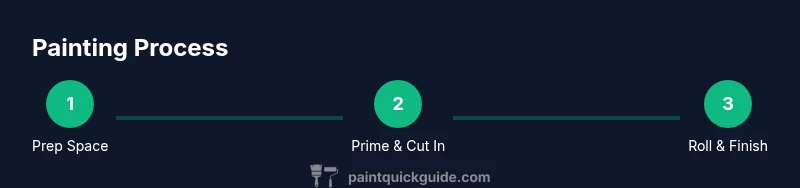
Below is a high-level flow you’ll implement in the detailed steps. Start with a small test area if you’re unsure of color or technique. Cut in along edges first (using tape to protect adjacent surfaces), then roll large sections in a W pattern for even coverage. Apply a light second coat where needed, and allow ample drying time between coats. Temperature and humidity influence drying times; aim for a steady environment. This overview aligns with best practices recommended by PaintQuickGuide and other leading sources in home painting.
Authority Sources and Safety Considerations
For readers seeking formal guidance, several authoritative sources cover safety and best practices in painting projects. Always consult official guidance to stay up-to-date on lead safety, ventilation, and product handling. OSHA provides safety considerations for painting work, while EPA resources cover lead-based paint hazards when applicable. University extension programs offer practical, accessible advice for home painters, including room-by-room planning and cost management. The combination of these sources helps DIYers stay safe and informed throughout the project.
Pro Tips and Common Pitfalls
- Take breaks to avoid fatigue that leads to sloppy edges.
- Keep your painter’s tape pressed down firmly to prevent seepage.
- Use a small amount of paint on your brush to prevent drips when cutting in.
- Work in natural light whenever possible to spot color inconsistencies.
- Label leftovers for easy touch-ups later. PaintQuickGuide emphasizes patience over speed: a slower, steadier approach yields cleaner results.
Real-Life Example: Small Room Makeover
A compact project, like repainting a 10x12-foot room, is ideal for beginners. Start by protecting floors and furniture, then prep walls and apply primer if needed. Cut in around window frames and baseboards, roll a full pass, and inspect for uniform color after drying. If a second coat is required, apply it evenly and avoid overworking the paint, which can lead to lap marks. Finally, remove tape while the paint is still slightly tacky to prevent peeling. This practical example demonstrates how a structured workflow translates into a satisfying, budget-friendly result.
Finishing Touches, Cleanup, and Curing Time
Once coatings have dried, evaluate the surface for color consistency and smoothness. If you notice roller marks, lightly sand and recoat a fresh layer. Clean brushes and rollers promptly with water (for latex paints) or the recommended solvent (for oil-based paints), then air-dry completely before storing. Dispose of used drop cloths and masking tape responsibly. Remember that curing time varies by product; even if the surface feels dry, full hardness may take days. Planning for cure time helps you schedule other tasks without risking marring fresh paint.
Quick Start Checklist
- Gather all required tools and materials.
- Prep the space and surfaces thoroughly.
- Prime when needed and tape off edges.
- Cut in, then roll large areas with careful technique.
- Apply a second coat if color or coverage requires it.
- Clean up, remove tape, and let surfaces cure fully.
Tools & Materials
- Paint (latex/acrylic)(Choose interior latex for walls; oil-based for trims (optional for beginners).)
- Primer (latex-based)(Needed for stains, new drywall, or color changes.)
- Brushes (angled sash brush)(1-2 inch for cutting-in; bristle type suitable for water-based paints.)
- Rollers (9-inch, 3/8 nap)(Use a roller frame and tray; consider extension pole for high walls.)
- Paint trays and liners(Keeps paint accessible and reduces mess.)
- Painter’s tape(Protects edges; press down firmly to avoid bleed-through.)
- Drop cloths(Protect floors and furniture; cotton or canvas preferred.)
- Sandpaper or sanding block(Lightly scuff glossy surfaces for better adhesion.)
- Mask or respirator(Ventilation safety; use when sanding or using strong finishes.)
- Paint thinner/brush cleaner(Follow product directions for cleanup of brushes (solvent-based paints).)
Steps
Estimated time: 4-6 hours (plus drying/curing as needed)
- 1
Prepare space
Move furniture, cover floors, and lay down drop cloths. Remove switch plates and fixtures if possible. This prevents accidental splatters and makes cleanup easier.
Tip: Use a small cardboard shield when cutting in near outlets to minimize drips. - 2
Prep surfaces
Wipe walls to remove dust, fill holes with spackle, and lightly sand glossy areas. Dust off residues with a tack cloth before priming.
Tip: For glossy surfaces, a quick scuff sand improves primer adhesion. - 3
Prime the area
Apply a suitable primer to seal stains and improve color coverage. Allow primer to dry thoroughly before painting.
Tip: If using a stain-blocking primer, test a small area for bleed-through before full coverage. - 4
Cut in edges
With a brush, paint along ceiling lines, corners, and around trim. Use slow, steady strokes to create crisp edges.
Tip: Keep a wet edge to prevent lap marks; reload brush as needed. - 5
Roll the walls
Dip the roller, roll off excess on the tray, and apply paint in a W pattern for even coverage. Overlap sections to avoid gaps.
Tip: Avoid over-wetting the roller to reduce drips and texture unevenness. - 6
Apply second coat
Let the first coat dry fully, then assess color uniformity. Apply a second coat where needed for full coverage.
Tip: Inspect under different lighting to catch missed spots. - 7
Cleanup and curing
Remove painter’s tape carefully, clean brushes, and store tools. Allow adequate curing time before heavy use of the area.
Tip: Wash brushes promptly to extend life; label leftover paint for future touch-ups.
Your Questions Answered
Do I always need primer when painting a wall?
Not always, but primer improves coverage on new drywall, stained surfaces, or color changes. Use a stain-blocking primer if you’re dealing with bleeds or heavy stains.
Primer isn’t always required, but it helps with adhesion and color consistency, especially on new or stained surfaces.
What type of paint should a beginner start with?
Start with a low-VOC latex or acrylic paint for walls. It’s easier to clean, dries faster, and has fewer fumes than oil-based options.
A low-VOC latex paint is usually best for beginners due to ease of use and cleanup.
How many coats does a typical project need?
Most projects need at least two coats for even color and coverage. Some colors may require additional coats or stain blocking primer.
Typically two coats are enough, sometimes more depending on color changes.
Is painting indoors safe without ventilation?
Ventilation is strongly recommended to disperse fumes. Open windows and use a fan to create airflow, especially with solvent-based products.
Yes, ventilate the space to reduce fumes during painting.
What mistakes should beginners avoid?
Avoid skipping prep, applying too thick coats, and neglecting drying times. These can cause streaks, peeling, or uneven color.
Be sure to prep well, apply thin coats, and let coats dry fully.
How should I clean up after painting?
Clean brushes and rollers promptly according to paint type, remove tape carefully, and store leftover paint properly for later touch-ups.
Wash brushes right away and store leftovers for touch-ups.
Watch Video
Quick Summary
- Plan prep before applying any paint.
- Choose beginner-friendly latex paints for walls.
- Invest in essential tools to improve finish quality.
- Prime when necessary to ensure even color and adhesion.
- Follow drying times; avoid rushing the cure.