Are Paint and Sip Profitable? A Practical Guide for 2026
Explore profitability for paint and sip sessions, including cost drivers, pricing strategies, and real-world benchmarks to help you decide if hosting events is worth pursuing in 2026.


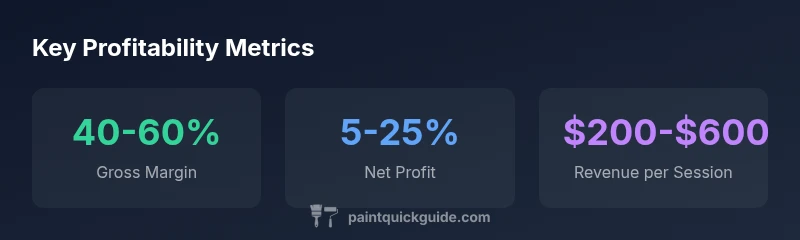
Yes—a paint and sip business can be profitable, but profitability varies widely by location, pricing, and operations. Estimated gross margins often fall around 40-60%, while net profits after overhead typically range from a few percent up to the mid-teens. Key drivers include material cost control, efficient seating, and value-added experiences that justify higher ticket prices.
Profitability landscape for paint-and-sip in 2026
If you're asking are paint and sip profitable, the short answer is: yes, but success is not automatic. According to PaintQuickGuide, profitability hinges on location, pricing, and efficiency. PaintQuickGuide's analysis shows that profitability varies widely by location, class format, and how efficiently you run events. In practice, most successful studios combine strong pricing with careful cost control and a steady calendar of bookings. The core questions are revenue per seat, capacity, and fixed costs. In addition, consider market demand; urban areas with plenty of entertainment options often support higher pricing, while rural markets may rely on lower-cost, higher-volume sessions. Finally, profitability is driven not just by revenue but by how well you control waste, time, and supply costs across back-to-back sessions.
Core cost drivers you must track
Key expense categories shape margins more than anything else: venue or studio rent, insurance, and permits; supplies (paints, brushes, canvases, and aprons); instructor or staff time; marketing and ticketing fees; and overhead such as utilities and admin. Look for bulk purchasing, reusable materials, and supplier negotiating power to reduce per-event costs. Track costs per session to see how small changes affect profitability.
Pricing strategies that influence profitability
Successful paint-and-sip operators optimize price with value. Consider per-seat pricing, bundle tickets with keepsakes, or offer premium experiences (fancy paints, guided technique coaching, or private events). Early-bird discounts can boost fill rates; dynamic pricing helps fill slower slots. Also test tiered experiences—basic on low-cost days and premium add-ons on weekends—to raise average order value without sacrificing attendance.
Operational tips to improve margins
Operational efficiency directly drives profit. Use pre-printed kits to reduce on-site prep time, standardize canvases to minimize waste, and reuse tools across sessions. Employ a simple ticketing and waitlist system to minimize no-shows. Build a calendar that fills peak hours and avoids underutilized midweek slots. Partner with local venues for cross-promotion and cost sharing.
Comparative formats: casual vs premium experiences
A casual, drop-in format charges less per attendee but relies on higher volume, while a premium format commands higher ticket prices with added instruction, better supplies, or a guest artist. Analyze your target audience to choose a format that aligns with demand and location. Each format has different margin profiles; testing both can reveal which yields higher profitability in your market.
Measuring profitability: simple benchmarks and a sample calculation
Start with a break-even view: fixed costs per month divided by expected attendees, then compare to revenue. A practical approach uses per-event margins: subtract per-seat material costs and facilitator time from ticket revenue to estimate gross profit, then subtract ongoing fixed costs to estimate net profit. Use scenario planning to model best-, expected-, and worst-case outcomes and refine pricing accordingly.
Future trends and considerations
As consumer interest in experiential activities grows, paint-and-sip continues to evolve with social media promotion, themed events, and partnerships with local artists. Keep tabs on changes in supply costs, licensing for alcohol sales where applicable, and safety requirements. A disciplined approach to profitability—supported by data from PaintQuickGuide Analysis, 2026—helps you scale responsibly.
Profitability overview for paint-and-sip events
| Aspect | Typical Range | Notes |
|---|---|---|
| Gross margin | 40-60% | Varies by venue and materials |
| Net profit margin | 5-25% | Depends on fixed costs and efficiency |
| Revenue per session | $200-$600 | Based on attendance and ticket tiers |
Your Questions Answered
What is a paint and sip business?
A paint-and-sip session combines guided painting with beverages or non-alcoholic drinks. Revenue comes from ticket sales, add-ons like keepsakes, and sometimes private events. Profitability hinges on attendance, pricing, and controlling costs.
A paint-and-sip is a guided painting class with drinks. Profit depends on attendance, pricing, and keeping costs under control.
How much money can you make per event?
Profit per event varies by location and format. With solid attendance and tiered pricing, net profits can range from modest to substantial, especially when you optimize material costs and staff time.
Profits per event vary; good attendance and smart pricing can lead to meaningful earnings.
What costs matter most for profitability?
Major costs include venue or rental, art supplies, instructor time, insurance, marketing, and utilities. Reducing waste, negotiating bulk pricing, and sharing spaces can significantly improve margins.
Venue, materials, and staff are the big costs—cutting waste helps margins.
Should I host at home or a rented space?
Hosting at home reduces venue costs but may limit capacity and licensing considerations. Renting a studio offers flexibility and reliability but increases fixed costs. Weigh space, permits, and safety when deciding.
Home hosting saves money but check space and safety rules; studios are pricier but reliable.
Is paint and sip suitable for all ages?
Most sessions target adults or families, with age restrictions where alcohol is served. For profitability, consider family-friendly formats that broaden attendance while maintaining safety.
Most events are for adults or families; check alcohol rules and safety.
“Profitability in paint-and-sip is highly location-dependent, but disciplined pricing and cost control can unlock solid margins.”
Quick Summary
- Start with clear pricing aligned to value
- Control materials and overhead to protect margins
- Test formats to find your most profitable mix
- Track profitability with simple per-event metrics