Where to Paint in Another Sims Town: A Practical Guide
Learn practical, step-by-step strategies for painting in a different Sims town, including planning, surfaces, tools, and sharing your finished art across neighborhoods. A PaintQuickGuide tutorial for homeowners and hobbyists in virtual environments.


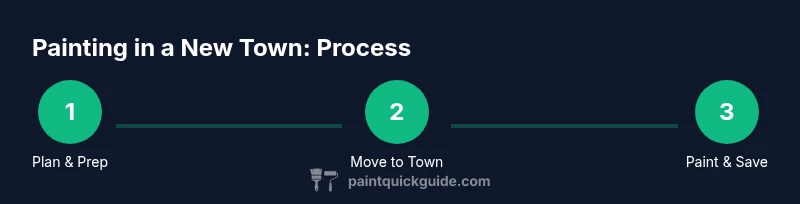
With this guide, you’ll learn how to paint in another Sims town by moving to a new neighborhood, choosing the right surfaces, and setting up a small studio. You’ll need a few in-game tools, a color plan, and a strategy for sharing your finished work across communities. Follow the step-by-step process to succeed.
Understanding the Challenge of Painting in a New Sims Town
If you're exploring where to paint in another sims town, you’ll quickly see that success hinges on planning, surfaces, and space. The appeal is to extend your artistry beyond a single lot, across neighborhoods and new lighting conditions. According to PaintQuickGuide, the key is to define a goal for each session, then assemble a lightweight setup you can carry to different towns. Start by asking: what mood do you want to convey, and which surfaces in the new town will best show your color choices? With a clear objective, you can select the right brush types, palette swatches, and lighting to reproduce your concept across districts. This approach keeps your workflow efficient and your colors consistent, even when you bounce between towns.
Planning Your Move: Set Clear Painting Goals
Moving to another town in The Sims for painting isn't just about location; it's about purpose. Decide whether your aim is to test color theory in a new environment, document architectural changes, or build a portfolio that spans neighborhoods. This goal will guide your material choices, lighting setups, and the scale of each piece. PaintQuickGuide emphasizes aligning your objectives with your color strategy and available in-game assets. Establish a timeline for each session, and map out when you’ll visit different districts to keep your plan realistic while maximizing creative outcomes. A well-defined goal reduces decision fatigue and helps you stay focused as you travel between towns.
Where to Paint in Another Sims Town
The core question is indeed phrased as where to paint in another sims town. Options include public lots, community centers, and your own property in the new neighborhood. Each surface offers different responses to color and brushwork, so testing a few swatches on wood, plaster, and tile can reveal which combinations read best under local lighting. In some towns, outdoor walls under sunset lighting create dramatic color shifts; in others, indoor rooms with neutral walls let palettes stand out. By cataloging which surfaces respond best in each town, you’ll develop a repeatable method you can apply regardless of the location. Remember to consider zoning, crowd presence, and accessibility when choosing a spot to paint.
Tools and Materials You’ll Need in the New Town
As you set up in a fresh town, gathering the right tools is essential. In-game brushes and palettes should be lightweight yet versatile, allowing you to test tones quickly. A compact easel or portable painting surface helps you move between rooms and districts without losing momentum. Keep a small notebook or digital sketchpad to record color decisions and lighting notes for future reference. If available, bring a portable lamp to simulate different times of day. Having a ready-to-go kit minimizes interruptions and ensures your paint sessions stay productive in new environments.
Setting Up a Portable Studio Across Towns
A portable studio keeps your workflow efficient when you’re painting in a new town. Create a compact space with a foldable easel, a few color swatches, and a small canvas or digital surface. Position lighting to mimic the target mood—warm evening light or cool midday rays—to understand color behavior under varying conditions. If you can, arrange your studio near a window or an existing architectural feature in the town that adds context to your work. This consistent setup across neighborhoods will help you compare outcomes and refine your technique as you move through different districts.
Step-by-Step Process for a Successful Painting in a New Town
- Define the scene you want to paint and gather reference images from the new town. 2) Set up your portable studio with all essential tools and lighting. 3) Test colors on a small swatch before applying them to your main canvas. 4) Block in the composition, focusing on shape, value, and color harmony. 5) Add details gradually, adjusting for local lighting variations. 6) Step back frequently to evaluate color balance and mood. 7) Save progress and document the techniques used in this town, so you can replicate or adapt later. 8) Share the finished piece with nearby communities or in-game galleries.
Lighting, Mood, and Color Choices Across Neighborhoods
Lighting is a decisive factor when painting in another town. The same palette can read very differently under sunset, overcast, or studio lights. Take notes on how each lighting scenario affects hue warmth, saturation, and contrast. Use complementary or analogous color schemes to unify pieces across neighborhoods while maintaining distinct vibes per town. A consistent color approach helps your work feel coherent when displayed in multiple locations, and it trains your eye to notice subtle shifts caused by environmental factors. This awareness improves not just one painting, but your broader in-game color literacy across towns.
Saving, Sharing, and Portfolio Across Towns
After completing a piece in a new town, save your work with clear metadata: town name, time of day, and key color decisions. Sharing across neighborhoods can build a cohesive portfolio that demonstrates your adaptability and growth as an artist within the game. Use in-game galleries or social feeds to show progress between towns and invite feedback from other players. Keeping a digital archive of works from different locations makes it easier to track evolution, revisit past color experiments, and plan future sessions with a broader perspective.
Authority Sources
For further reading on color concepts and painting fundamentals, consult reputable sources:
- https://www.britannica.com/art/color-theory
- https://www.nationalgallery.org.uk/paintings/color-theory
- https://www.osha.gov/SLTC/paintstains/
These references help ground your practical in-game painting in established principles of color and safe practices when handling materials, even in a virtual environment.
Common Mistakes to Avoid in Another Sims Town
Avoid overloading your palette with too many colors, which can muddy values and reduce clarity on screen. Don’t neglect lighting; a piece can shift dramatically when moved from one town to another. Skip trying to finish a piece in a single session if you’re new to a town’s environment—break the work into layers and revisit when you’ve gathered more context. Finally, don’t forget to save frequently; a power or game pause should not erase your latest adjustments.
Tools & Materials
- In-game painting brush(Choose brush type that matches your desired stroke texture)
- In-game color palette(Pre-select swatches for quick testing across surfaces)
- Canvas or surface (in-game)(A portable option for on-the-go sessions)
- Easel/painting stand(Lightweight and easy to move between rooms and towns)
- Portable lighting(Simulates different times of day for color accuracy)
- Notebook or digital sketchpad(Record color decisions and lighting notes)
Steps
Estimated time: 1-2 hours
- 1
Define your painting goal
Decide the mood, subject, and intended town context. A clear objective guides color choices and composition, and helps you compare results across towns.
Tip: Write the goal down and refer to it before each painting session. - 2
Set up a portable studio
Arrange a compact workspace with your easel, palette, and lighting. Keep everything organized so you can move quickly between neighborhoods without losing momentum.
Tip: Lay out tools in the same order every session to speed setup. - 3
Test colors on swatches
Before applying paint to the main surface, test swatches to see how colors read under current town lighting. Adjust hue, saturation, and value as needed.
Tip: Label swatches to track color decisions across towns. - 4
Block in the composition
Lay out shapes and values first, focusing on overall balance rather than fine details. This creates a solid foundation adaptable to town-specific lighting.
Tip: Keep the largest shapes simple; complexity can come later. - 5
Build up color and form
Add midtones and shadows gradually, preserving light areas. Compare with reference images from the new town to maintain authenticity.
Tip: Work in layers; avoid full-opacity strokes early on. - 6
Refine and adjust for town lighting
Reassess color relationships as lighting changes with the town’s environment. Subtle tweaks can unify the piece across different districts.
Tip: Step back every few minutes to assess overall harmony. - 7
Finalize and save
Complete the piece with final touches and save your work with clear metadata about the town and time of day.
Tip: Create a quick notes file for future reference. - 8
Share and archive
Publish your finished painting to in-game galleries or social feeds and archive the work in a town-by-town catalog for easy recall.
Tip: Ask for feedback from other players to improve future sessions.
Your Questions Answered
Can I paint in any town in The Sims, or are there limitations?
In The Sims, painting opportunities are available across most neighborhoods, but surface options and lighting conditions vary by town. Plan your session by checking local lighting and available surfaces before starting.
You can paint in most towns, but always check lighting and surfaces first to plan your palette.
Do I need a dedicated studio to paint in another town?
A dedicated, portable studio is recommended. It keeps tools organized and speeds setup when you move between neighborhoods. A compact studio minimizes interruptions and preserves your workflow.
Yes—having a portable studio helps you stay organized when you move between towns.
How do I move to another town for painting, and what should I plan?
Moving to another town involves planning your session goals, selecting surfaces, and arranging the packable studio. Create a simple plan for each town to compare results and refine your approach over time.
Move with a plan for each town and compare outcomes to improve.
What surfaces work best when painting in a new town?
Wood, plaster, and tiled surfaces each interact differently with color. Test small swatches to identify the most favorable surface for your palette in that town.
Test swatches on different surfaces to find the best read for your colors.
How long does a typical painting session take across towns?
A typical session can range from 60 to 120 minutes depending on scope and lighting conditions. Break tasks into stages to maintain progress across town visits.
Most sessions run about an hour to two, depending on complexity.
Are there safety or digital-wellbeing considerations when painting across towns?
In-game safety is minimal, but remember to manage in-game fatigue and memory usage by taking breaks and saving progress regularly.
Keep an eye on in-game fatigue and save often.
How can I ensure a cohesive portfolio across multiple towns?
Maintain consistent color strategies and document town-specific adjustments. A town-by-town archive helps illustrate your adaptability and growth as an artist.
Document decisions and keep a town-by-town archive to show growth.
Watch Video
Quick Summary
- Plan your painting goals before moving towns
- Test surfaces and lighting in each town
- Set up a portable studio for quick sessions
- Document color decisions for cross-town consistency
- Share and archive work to build a town-spanning portfolio