Steps to Painting a House Exterior: A Complete Guide
A practical, step-by-step guide for homeowners and DIY enthusiasts on painting the outside of a house, including planning, prep, priming, painting, and maintenance for durable, attractive results.


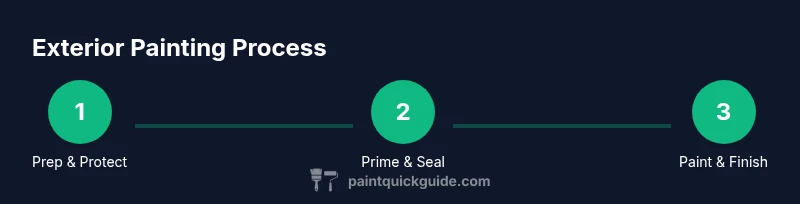
Follow a weather-ready, step-by-step plan to paint your house exterior: prep the surface, select durable low-VOC paint, apply primer, and use proper cutting-in and rolling techniques. Gather PPE, masking, brushes, rollers, ladders, and protective coverings before you begin for lasting color and protection. This plan minimizes mess and risk.
Why Exterior Painting Matters
Exterior painting is more than curb appeal; it protects siding, blocks moisture, and helps maintain home value. A quality finish can prevent rot, sun damage, and insect infiltration when paired with proper surface preparation. For homeowners and DIY enthusiasts, the project is also a chance to upgrade energy efficiency by selecting light-reflective colors and weather-resistant paints. According to PaintQuickGuide, a well-executed exterior repaint is a practical investment that pays off over time. The phrase steps to painting a house exterior captures the sequence you’ll follow for a durable result. Start by understanding the surface you’re covering—wood, fiber cement, stucco, or metal each requires a different approach—and set realistic expectations for prep time, paint coverage, and cure periods. You’ll save time and avoid rework by treating the job as a process with clear milestones rather than a one-day sprint.
Assessing Your House and Planning the Project
Before grabbing a brush, take a strategic look at the entire project. Identify the surface type and its condition, map out color choices and finish, and decide whether you will hire help or DIY. Create a high-level plan with phases such as prep, priming, and two coats of color. Check local weather patterns and plan for consecutive dry days to minimize interruptions. Measure surface areas to estimate paint quantity and note any repairs that will affect task sequence. If you live in a region with heavy rainfall or humidity, schedule the work in a window when drying times won’t be compromised. Finally, assemble a shopping list and budget, including materials, tools, and any safety gear you may need.
Surface Preparation and Cleaning
The most critical factor in durability is surface prep. Begin by removing dirt, mildew, and loose paint with a stiff brush or a broom. A low-pressure wash helps lift grime without damaging underlying material; allow the surface to dry completely before proceeding. Inspect for peeling paint, cracks, and flashing issues, and plan repairs accordingly. Sand rough patches and feather edges to ensure a smooth transition between old and new coatings. Mask off doors, windows, and trim with painter’s tape, and cover adjacent landscaping and sidewalks with drop cloths to reduce cleanup later. Good prep reduces the likelihood of adhesion failures and prolongs the life of the finish.
Priming and Sealing for Durability
Primers improve adhesion, seal stains, and create a uniform surface for topcoat color. Choose a primer appropriate for the substrate—be it wood, fiber cement, stucco, or metal. Apply primer evenly in thin coats, covering all bare areas and repaired spots. Allow adequate dry time as recommended by the manufacturer before applying the topcoat. For gaps and joints, use exterior caulk or sealant designed for weather resistance; this step prevents water intrusion and cracking. If the structure has extensive cracking or water damage, plan for additional repairs or consult a professional.
Choosing Paint, Tools, and Materials
Select a high-quality exterior paint that is suited to your climate and substrate. Most homes benefit from 100 percent acrylic latex paint, which provides flexibility and durability. Opt for a low-VOC formula to reduce indoor odors and environmental impact. Decide on sheen—flat for hiding imperfections, satin or matte for walls, and semi-gloss for trim. Gather tools such as angled brushes for cutting-in, rollers with appropriate nap length, extension poles, painter’s tape, drop cloths, caulk, a caulk gun, scrapers, and sandpaper. Finally, stock safety gear like goggles, gloves, and a respirator, and ensure ladders or scaffolding are in good condition.
Applying Paint: Techniques and Best Practices
Begin with edges and corners by cutting in with a high-quality angled brush to create a clean border around windows and trim. Use a roller to apply paint in even, overlapping strokes, maintaining a wet edge to prevent lap marks. Apply at least two coats for durability and color depth, allowing proper dry time between coats. Work in shaded or indirect light to better assess color and coverage, and rotate between sections to ensure uniform thickness. Back-rolling after cutting-in helps even out texture and minimize lap lines. Maintain workspace cleanliness to avoid dust settling on fresh paint.
Cleanup, Curing, and Long-Term Maintenance
After the final coat, protect the finish by keeping the surface out of direct weather for the suggested cure time. Remove masking tape carefully and inspect for missed spots or thin areas that may require touch-ups. Clean brushes and rollers according to the paint type, and store leftovers for future touch-ups. Regular maintenance includes washing the exterior periodically to remove dirt and algae, inspecting for signs of peeling or cracking, and addressing issues promptly to extend the life of the paint. Document the color and finish for future projects.
Common Mistakes and How to Avoid Them
Common errors include painting in extreme heat or humidity, skipping surface prep, choosing the wrong primer, and applying paint in thick coats that dry unevenly. Avoid these by planning around dry days, dedicating time to thorough prep, selecting primers matched to the substrate, and applying multiple thin coats rather than a single heavy one. Protect all adjacent surfaces and plan for a secondary coat if coverage appears uneven. Finally, always follow manufacturer directions for curing times and recoat windows.
Tools & Materials
- Exterior paint (low-VOC acrylic-latex)(100% acrylic for flexibility and durability)
- Primer (exterior, bonding)(Choose primer for substrate and stain-blocking needs)
- Power washer (low to medium pressure)(Use caution to avoid damage; 1500-2000 psi typical)
- Scraper and putty knife(Remove loose paint; fill cracks)
- Caulk and exterior sealant(Seal joints; use backer rod if large gaps)
- Caulking gun(For consistent bead application)
- Paintbrushes (angled, 2-4 inch)(Edges and corners)
- Rollers (4-9 inch) and extension pole(For large wall areas; use a roller tray)
- Drop cloths and masking tape(Protect landscaping and hard surfaces)
- Ladder or scaffolding(Ensure stability and fall protection)
- Safety gear (goggles, gloves, respirator)(Protect from dust, fumes, and paint splashes)
- Paint tray and liners(Even paint distribution)
- Rags and solvent or water for cleanup(Clean brushes and spills)
- Lead testing kit (for older homes)(Only if home built before 1978; follow regulations)
Steps
Estimated time: 4-5 days
- 1
Secure your plan and weather window
Assess the forecast and select a window with multiple dry days. Gather all tools and materials, and map out a sequence that minimizes backtracking. Finalize colors and ensure you have enough paint for two coats.
Tip: Check the forecast for at least two consecutive dry days before starting. - 2
Protect the area and remove obstacles
Cover lawns, sidewalks, and nearby plants. Move furniture and remove hardware that could be damaged. Mask windows, doors, and trim to prevent bleed-through while painting.
Tip: Use painter’s tape to create crisp lines along edges. - 3
Clean and degrease the exterior surface
Rinse off dirt and mildew; let the surface dry completely. Remove loose paint and wash away chalky residues. Assess for repairs—nails, cracks, and damaged flashing require attention before painting.
Tip: Test a small area first to ensure cleaning doesn’t damage the substrate. - 4
Scrape, repair, and sand
Scrape away peeling paint and repair any damaged sections with filler or epoxy where needed. Smooth edges with light sanding to create a smooth transition to the new coat.
Tip: Wear a dust mask and eye protection when sanding. - 5
Caulk gaps and seal joints
Apply exterior caulk to seal cracks around trim, windows, and door frames. Smooth the bead for a neat finish and allow adequate drying time before priming.
Tip: Backer rod can improve fiberglass and large gaps performance. - 6
Apply primer
Prime any bare wood or repaired areas; choose a compatible primer for the substrate. Let the primer cure as directed before applying color.
Tip: A tinted primer can help with coverage for dramatic color changes. - 7
Cut-in edges and prime trim
Use an angled brush to cut along trim, corners, and around windows. This creates a crisp boundary for rolling. Allow primer to dry before applying topcoat to trim.
Tip: Wipe excess paint from the brush to avoid drips. - 8
Apply exterior paint in coats
Start with a first coat using long, even strokes. After drying, apply a second coat for depth and uniform color. Maintain a wet edge to minimize lap lines.
Tip: Work in shade if possible to prevent premature drying. - 9
Inspect, touch up, and maintain
Check for missed spots and touch up as needed. Remove masking tape carefully after initial cure and clean up tools. Plan for routine maintenance like washing every couple of years.
Tip: Label color and product details for future touch-ups.
Your Questions Answered
What is the best time of year to paint exterior?
The best time is during dry, mild conditions with moderate temperatures. Avoid painting in extreme heat, cold, or rain to ensure proper drying and adhesion.
Paint during dry, mild weather for best adhesion and a smooth finish.
Do I need to remove old paint before painting?
Not always. If the current coat is firmly bonded and in good condition, cleaning, priming, and applying a new topcoat can be sufficient. Peel areas should be scraped and repaired first.
You may not need to remove all old paint; focus on peeling areas and proper prep.
What type of paint should I use for exteriors?
Most exterior surfaces respond well to 100 percent acrylic latex paint because it adheres well, remains flexible, and resists cracking. Choose a finish that suits the surface and climate.
Acrylic latex exterior paint is usually the best bet for durability.
How long does exterior paint take to cure?
Drying times vary by product and conditions, but plan for at least 24-48 hours for touch-dry and longer for full cure. Check the can label for specific guidance.
Expect a day or two to dry, with full curing taking longer according to the product.
Can I paint exterior with just one coat?
Two coats are typically recommended for even color and durability. If the color change is drastic or the substrate is challenging, a second coat ensures uniform coverage.
Two coats are usually needed for a durable finish.
What about lead paint safety in older homes?
If the home was built before 1978, have a lead risk assessment and follow regulations for containment and removal. Hire professionals for lead paint removal if necessary.
Lead safety is crucial; test and follow regulations if your home is old.
Watch Video
Quick Summary
- Plan around dry weather and set realistic milestones
- Prep thoroughly to ensure long-lasting adhesion
- Choose the right primer and two coats for durability
- Protect surroundings and follow safety guidelines