Outdoor Paint: A Practical Guide to Choosing, Prepping, and Applying Exterior Coatings
A practical, step-by-step guide to selecting, prepping, and applying outdoor paint for durable exteriors. Learn surface prep, primer choices, coat types, and maintenance to extend your home or car project's life.


Outdoor paint work enables lasting curb appeal and protection against weather, UV, and mildew. This guide outlines how to choose the right finish, prep surfaces, select primers, and apply coats for a durable exterior. Follow practical steps, safety tips, and maintenance guidance to extend exterior life.
What is outdoor paint and when to use it
Outdoor paint, or exterior paint, is formulated to withstand weather, temperature swings, UV exposure, and moisture. It differs from interior paint in durability, elasticity, and mildew resistance. Use outdoor paint on exterior wood siding, metal surfaces, masonry, decks, and outdoor furniture that will be exposed to the elements. The PaintQuickGuide team emphasizes selecting products with proven exterior performance and proper surface prep. Always check the label for weather resistance, dry times, and mildew resistance. In this guide we’ll cover the surfaces and scenarios where exterior coatings shine and how to select the right type of paint for your project, with practical tips you can apply this season.
According to PaintQuickGuide, choosing a product built for outdoor use is the first step toward long-lasting results, especially in regions with mixed weather. This section sets the stage for surface-specific decisions and the realities of outdoor environments.
Key properties to look for in outdoor paint
Durability is the core requirement of outdoor paint. Look for weather resistance, UV stability, mildew resistance, and color retention. Exterior paints labeled 100% acrylic or elastomeric offer flexibility and breathability, which helps surfaces expand and contract with temperature changes. When painting metal or masonry, ensure compatibility with primers and coatings designed for those substrates. Water-based acrylics are easy to clean and low-odor; oil-based options can deliver superior durability but require solvent cleanup. For high-traffic outdoor areas, select finishes like satin or semi-gloss that resist dirt and are easier to clean. PaintQuickGuide recommends comparing manufacturer performance claims and considering local climate to choose the right formula and finish for your project.
Surface prep essentials for outdoor painting
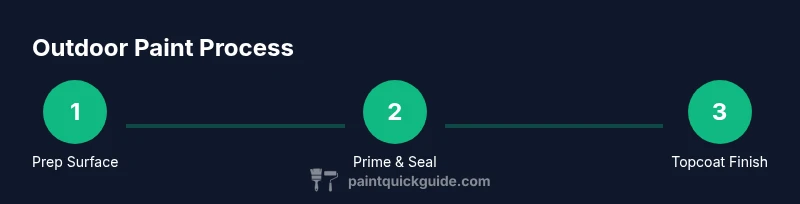
Adequate surface prep is the difference between a project that lasts and one that peels or fades quickly. Begin by cleaning the surface to remove dirt, algae, and mildew. Scrape off loose paint, dry debris, and flaking old coatings, then sand rough edges for a smooth key. Repair cracks with filler or caulk and prime any bare wood or masonry to improve adhesion. Mask nearby surfaces with painter’s tape and protect vegetation with drop cloths. Always dry the surface thoroughly before applying primer or paint, and work in suitable weather to ensure proper curing.
Choosing the right primer and topcoat
Primers tailor the surface for paint adhesion and hide previous colors or stains. Use a wood primer for bare wood, a masonry primer for brick or stucco, and a metal primer for aluminum or steel. Select a topcoat that matches the substrate and desired sheen (matte, satin, semi-gloss). For exterior wood, a stain-blocking primer can prevent tannin bleed; for brick or concrete, a masonry primer helps seal porosity. Ensure the primer is compatible with the chosen topcoat. In many cases, a single good-quality exterior paint can substitute for a separate primer on already well-prepared surfaces, but primers are often essential for problematic substrates or drastic color changes. PaintQuickGuide emphasizes testing a small area before full coverage to confirm adhesion and finish.
Application techniques: brushing, rolling, and spraying
Choose your method based on surface type, texture, and paint viscosity. Brushes are ideal for trim and tight seams; rollers work well on flat surfaces and larger areas; sprayers cover complex textures quickly but require masking and appropriate ventilation. Maintain even pressure and consistent stroke direction to prevent lap marks. For new wood, apply a thin seal coat and allow ample dry time between coats. Clean equipment promptly after use to preserve brush filaments and spray tips. Always follow label directions for recoat windows and flash-off times to ensure optimal curing and warp resistance.
Weather, climate, and timing considerations
Exterior painting benefits from stable, moderate conditions. Avoid painting during rain, high humidity, or extreme heat, which can cause faster drying and poor film formation. Temperature, moisture, and wind can affect adhesion and cure times, so check the product label for the recommended temperature window and dew point guidance. If you must paint during shoulder seasons, schedule multiple dry days with thin coats to ensure complete cure. Plan for a second coat only after the first coat has cured to your satisfaction and the surface is dry to touch. Paint longevity improves with careful timing and patience, not rushed application.
Maintenance, cleanup, and long-term care
Seasonal inspection of painted exterior surfaces helps catch peeling, cracking, or mildew early. Clean surfaces with a mild detergent and a soft brush or cloth to maintain color and finish. Touch up scuffed areas promptly to prevent corrosion or water ingress, then schedule a full topcoat when color change or surface wear becomes noticeable. Store paint upright with the lid tightly sealed, in a cool, dry place away from direct sunlight. Proper maintenance extends the life of outdoor coatings and reduces the need for frequent full repaints, preserving curb appeal and protecting the substrate.
AUTHORITY SOURCES
For additional guidance on safety, environmental considerations, and best practices, consult these authoritative sources. EPA’s Lead information provides guidelines for older homes (lead paint considerations) and safe remediation practices. OSHA offers guidance on safe handling of solvents and paints in workplaces. The National Park Service provides resources on historic exterior finishes and long-term durability. Use these references to inform your project planning and ensure compliance with safety and environmental standards. https://www.epa.gov/lead • https://www.osha.gov/SLTC/lead • https://www.nps.gov
Tools & Materials
- Exterior paint (color + finish)(Choose the correct formula for substrate and climate)
- Primer (as needed)(Select compatible primer for wood, masonry, or metal)
- Caulk and exterior filler(For sealing joints and cracks)
- Masking tape and drop cloths(Protect adjacent surfaces and plants)
- Wire brush/scraper(Remove loose material)
- Sandpaper or sanding block(Create smooth key for primer)
- Paint brushes (angled sash brush)(For edges and trim)
- Rollers (3/8" to 3/4" nap)(For flat surfaces; consider 9" rollers)
- Extension pole(To reach high areas without a ladder)
- Paint sprayer (optional)(Faster coverage; requires masking)
- Ladder or scaffold(Safe access to heights)
- Cleaner/solvent (if using oil-based paint)(Follow safety guidelines)
- Safety gear (gloves, goggles, mask)(Protect from fumes and solvents)
Steps
Estimated time: 1-3 days (active work 8-16 hours, plus 24-48 hour dry times between coats)
- 1
Assess and plan
Inspect surfaces for damage, mildewed areas, and flaking paint. Choose colors, finishes, and timing that suit your climate. Creating a plan helps prevent delays and ensures proper curing.
Tip: Document problem areas with photos to prioritize repairs. - 2
Prepare the surface
Clean thoroughly, remove loose paint, and repair cracks. Lightly sand for a good key and mask surrounding areas. Allow the surface to dry completely before priming.
Tip: Always wear protective gear during prep to protect from dust and old paint residues. - 3
Prime and seal
Apply primer where needed, especially on bare wood, metal, or stained surfaces. Allow primer to dry according to label before applying topcoat.
Tip: Choose a primer compatible with your topcoat to maximize adhesion. - 4
First coat application
Apply the first coat with even strokes using your chosen method. Maintain a wet edge to avoid lap marks and ensure consistent color.
Tip: Keep coats thin to improve drying and curing. - 5
Second coat and evaluation
Evaluate coverage after the first coat has cured. Apply a second coat if needed for uniform color and protection against weathering.
Tip: If color changes are dramatic, give extra time between coats for optimal finish. - 6
Cleanup and storage
Clean brushes and tools promptly. Seal containers tightly and store in a cool, dry place away from sunlight.
Tip: Label leftovers and note the color for future touch-ups.
Your Questions Answered
Do I always need a primer for outdoor painting?
Primer is recommended when painting bare wood, masonry, or metal, or when changing from a dark to a very light color. It improves adhesion, blocks stains, and helps the topcoat last longer.
Primer is usually needed on bare surfaces or when changing colors significantly to improve adhesion and durability.
Can I use interior paint outdoors?
Exterior surfaces require paints formulated to withstand weather, UV exposure, and moisture. Interior paints are not designed for outdoor conditions and may fail prematurely.
Exterior surfaces need exterior-grade paint because interior formulas aren’t built for weather.
How long should outdoor paint dry between coats?
Dry times between coats depend on product and weather. Always follow the label’s recommended spacing to ensure proper curing and adhesion.
Check the can for recommended dry times between coats to ensure proper curing.
What surfaces can be painted outdoors?
Common exterior surfaces include wood siding, metal, stucco, brick, and concrete. Each needs the right primer and topcoat for best results.
Wood, metal, masonry, and concrete exteriors all have specific paint and primer needs.
How can I prevent mildew and cracking on exterior paint?
Choose mildew-resistant formulas, ensure surfaces are clean and dry before painting, and maintain surfaces with appropriate cleans and touch-ups.
Keep surfaces clean, use mildew-resistant paints, and seal cracks early to maintain durability.
Watch Video
Quick Summary
- Choose exterior-grade paint matched to substrate and climate.
- Prep thoroughly for lasting adhesion and even color.
- Follow manufacturer recoats and dry times for best results.
- Maintain surfaces through periodic cleaning and touch-ups.