Light Blue Gray Paint: The Complete Guide for Home and Auto Projects
Learn how to select, test, and apply light blue gray paint for walls, cabinetry, and car refinishing, with color psychology, finishes, cost ranges, and maintenance tips.


You will learn how to choose the right shade of light blue gray, test samples in real lighting, and apply it to interior walls or a car panel. This guide covers undertones, finishes, tools, and budgeting, with practical step-by-step instructions you can use today.
What is light blue gray paint and where to use it
Light blue gray paint sits between true gray and pale blue, offering a soft, cool or neutral base that adapts to lighting. In homes, it works beautifully on walls, ceilings, and cabinetry when you want a calm, versatile backdrop for furniture, art, and textures. For automotive or refinishing projects, light blue gray can create a restrained, modern look on panels or accents when matched with neutral trim. The key is to choose undertones that harmonize with your existing decor and lighting conditions. The PaintQuickGuide team notes that the same color can read very differently in daylight, incandescent, and LED lighting, so it’s essential to test big swatches on the actual surfaces and in the rooms where the paint will live. In practice, look for swatches that include a balance of blue and gray with a hint of warmth or coolness, depending on the mood you want to achieve. This shade pairs well with white, taupe, navy, and natural wood, making it a flexible choice for modern interiors and tasteful refinishes.
Color psychology and lighting considerations
Color psychology suggests that light blue gray projects calm, cleanliness, and sophistication. The exact mood depends on undertone, saturation, and lighting. In bright rooms, cooler undertones can feel airy and expansive, while in small spaces a slightly warmer gray-blue can visually enlarge the room by reducing contrast with white trim. When you introduce light blue gray paint, test it under morning sunlight, afternoon shade, and artificial lighting. The same swatch may appear almost blue at one time and gray at another. If you have art with cool tones or metal accents, leaning toward a slightly cooler undertone often helps the room feel cohesive; if the space features warm wood tones, a warmer gray-blue can tie everything together without feeling cold. Remember that natural light shifts across seasons, so a wall that reads blue in winter might lean gray in summer. The goal is to choose a tone that remains comfortable across daily use and lighting changes.
Undertones and saturation: how to pick the right shade
Undertones define whether light blue gray leans more towards blue, green, or violet. In paint chips, look for identifiers like 'blue,' 'green,' or 'violet' next to the color name. For interiors with cool white trim, a blue-dominant gray can appear crisper, while a green-leaning gray can feel softer and more earthy. Saturation matters: a low-saturation light blue gray reads as a quiet wall color that recedes behind art and furniture, whereas higher saturation will be more noticeable and active. When choosing, compare swatches side-by-side in the room’s lighting and on the wall you plan to paint. It helps to paint large test patches on poster boards or foam boards that imitate the wall surface. Keep color logs: record which undertone reads best with your furniture, fabrics, and flooring. This approach reduces regret when you’re ready to commit to a full room refresh.
Finishes and application scenarios for interiors
Finishes change the feel and durability of light blue gray paint. Eggshell or satin sheens are common for walls because they balance washability with a soft, velvety look. Flat or matte finishes hide wall imperfections, but they can be more challenging to clean in high-traffic areas. For rooms with kids or pets, choose a washable satin and consider a primer for stained or glossy surfaces to improve paint adhesion. In kitchens and bathrooms, using a moisture-resistant formula with a satin finish helps prevent ghosting and glare. If you’re refinishing furniture or cabinets, consider enamel or urethane-based products that offer higher durability and a hard surface. Always check the product data sheet for specific recoat times and compatibility with existing finishes. Preparation remains critical: properly cleaning, sanding, and sealing corners will yield a smoother, longer-lasting result with light blue gray paint.
Light blue gray for cabinetry and furniture
On cabinetry, light blue gray can create a modern, spa-like feel when paired with white hardware and natural stone surfaces. Use a durable enamel or a high-quality polyurethane topcoat to resist chipping and maintain a uniform finish. If you’re re-staining wood, observe whether the grain is enhanced by the blue-gray tone or lost under heavy stain; in most cases, painted cabinets with light blue gray look best when doors are kept flat and frames receive complementary color accents. Use a two-coat system with a high-adhesion primer to prevent tannin bleed and ensure color uniformity. For furniture, test the color on a small panel in the same light as the final setting, then apply a protective topcoat to seal the surface. Keep your color family cohesive by using similar tones on adjacent furniture pieces.
Light blue gray in car refinishing
Light blue gray can be used on vehicle panels to achieve a contemporary, subdued look that pairs well with neutral trim and chrome accents. In automotive refinishing, the color is typically achieved with a base coat matched to the target shade and sealed with a clear coat for gloss and protection. When choosing a car-grade light blue gray, prefer urethane-based base paints and a compatible clearcoat to maximize durability and color stability under UV exposure. Consider environmental lighting and shading, as car finishes tend to shift under direct sun. For home or hobbyist projects, practice on a test panel before applying to the entire car to ensure consistency across panels and lighting angles. Always follow manufacturer instructions for mixing ratios and application temperature ranges.
How to test samples and swatches effectively
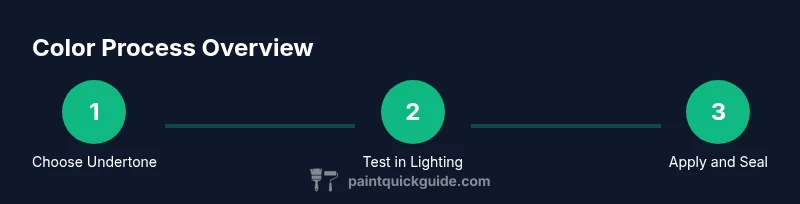
Testing is essential to ensure light blue gray paint reads correctly in your space or on your car. Create large swatches on poster boards at least 18x24 inches and place them on the wall or panel where the color will appear. Observe the swatches under natural light for several hours and again under artificial lighting. Rotate the swatches to compare how the color shifts with time and lighting direction. Label each swatch with undertone notes, finish, and the lighting conditions you tested. When testing on interior walls, paint several 2x2-foot patches to evaluate evenness and coverage in real-world conditions. Finally, compare the swatches with your existing décor to ensure harmony with furniture, textiles, and architectural features.
Cost considerations and budgeting
Prices for light blue gray paint vary by brand, finish, and coverage. Expect a broad range for interior paints depending on quality, with higher-end brands offering better coverage and washability. Budget for primer, topcoats, and tools alongside the paint itself. If you’re repainting multiple rooms or a whole house, consider renting or buying tools in bulk to reduce costs. Remember to factor in sample costs for testing swatches and any special finishes you intend to use, such as satin or matte sheens. For car refinishing, budget should include base coat, clear coat, and any required color matching services. In short, plan for a total project cost that includes materials, surface preparation, and labor if you’re hiring help. PaintQuickGuide’s approach is to help homeowners estimate ranges from mid-range to premium options based on room size and finish choice.
Maintenance, cleaning, and long-term care
Light blue gray paint can look fresh for years if properly maintained. Regular dusting with a microfiber cloth and gentle cleaning with a mild soap solution keeps walls looking new. For kitchens and bathrooms, avoid harsh abrasives that can dull sheen and remove paint. Inspect corners and high-traffic areas periodically to catch peeling or chipping early, and perform touch-ups as needed to prevent larger repairs. When refinishing furniture or cabinetry, protect the surface with a topping coat to extend life and ease of cleaning. If you notice yellowing on older latex paints, consult a professional about re-coating or applying a suitable primer to restore color accuracy without harming the surface.
Practical color combos and room design ideas
Pair light blue gray with crisp white trim for a fresh, contemporary look in living rooms and bedrooms. Complement it with warm woods like maple or oak to avoid a sterile feel, or pair it with navy for a nautical vibe. In kitchens, use light blue gray on upper cabinets with white or natural stone countertops to maintain brightness and depth. For small spaces, keep ceilings white and use the color on three walls only to create a sense of height and openness. When designing around this shade, consider textiles with cool blues, charcoal, or soft metallic accents to add dimension without overwhelming the space. The goal is to balance the soft, serene vibe of light blue gray with purposeful accents that reflect your personality and lifestyle.
Tools & Materials
- Paint swatches/fan deck(Compare undertones and read color descriptions)
- Painter's tape(Mask edges and protect trim)
- Drop cloths(Plastic or fabric to protect floors)
- Paint rollers (9-inch)(For walls; nap 3/8-1/2 inch depending on texture)
- Angled brushes (2-inch)(Cuts along edges and corners)
- Paint tray and liners(For roller coverage)
- Primer (stain-blocking if needed)(Only if surface is stained or glossy)
- Sandpaper (120-180 grit)(Prepare glossy surfaces)
- Mild detergent or TSP substitute(Clean surfaces before painting)
- Paint (light blue gray)(Choose finish: eggshell/satin for walls)
- Masking paper or drop cloth(Extend protection to floors and furniture)
- Ladder or step stool(Reach ceilings safely)
- Nitrile gloves(Keep hands clean)
Steps
Estimated time: 4-6 hours
- 1
Prep the surface
Clear the area, remove hardware, and clean the walls or panels with mild detergent. Light blue gray reads unevenly if there is residue or grease, so washing ensures uniform adhesion. Lightly sand glossy areas to create a key for the primer. Wipe away dust before painting.
Tip: Use a tack cloth to remove fine dust after sanding for a smoother finish. - 2
Protect surrounding areas
Cover floors and adjacent surfaces with drop cloths. Apply painter’s tape to trim and edges to prevent bleed-through and keep lines clean. If you’re painting a car panel, mask surrounding components and use cut-in tape for crisp edges.
Tip: Secure tape with a light hand to avoid peeling existing paint later. - 3
Test color swatches in room lighting
Place large swatches on the wall and observe under natural light and artificial lighting for several hours. Compare how undertones shift with the light. Label each swatch with undertones and finish to track your impressions.
Tip: Test at different times of day to capture lighting variations. - 4
Mix and prepare paint
Stir the paint to a uniform consistency. If you’re using a color-matched base, ensure color consistency across cans. If tinting, combine thoroughly in a clean container to avoid streaks.
Tip: Keep wet-edge control in mind to avoid lap marks during application. - 5
Apply the first coat
Use a quality roller for walls or a brush for edges, applying light, even coats. Maintain a consistent distance from the surface and use long, smooth strokes. Allow the coat to dry according to product guidelines before assessing coverage.
Tip: Don’t rush; a thin, even coat yields better color fidelity. - 6
Apply a second coat and finish
Inspect for thin spots or uneven areas and apply a second coat if needed. After final coat, cure according to the product's instruction, and seal edges with a protective topcoat if using cabinetry or high-wear surfaces.
Tip: Always check for dust nibs before the final coat to avoid texture issues.
Your Questions Answered
Is light blue gray paint suitable for small rooms?
Yes, light blue gray can make a small room feel more open when used on three walls and paired with white trim. Test under natural and artificial light to ensure the shade doesn’t feel overpowering.
Light blue gray works well in small rooms if you use it on fewer walls and keep trim bright. Test in different lights to confirm it feels open.
What undertones are common in light blue gray paint?
Common undertones include blue-dominant, gray-dominant, and subtle green or violet hints. The undertone determines how the color interacts with lighting and surrounding materials.
Undertones can shift between blue, gray, and hints of green or violet depending on lighting.
Can I use light blue gray on kitchen cabinets?
Yes, but choose a durable enamel or urethane topcoat and a high-adhesion primer to withstand cleaning. Light blue gray cabinetry creates a modern, cool look when paired with white countertops.
You can paint cabinets in light blue gray with a tough topcoat for durability.
What finishes are best for walls with this color?
Eggshell or satin finishes are common for living spaces because they balance washability with a soft sheen. For very busy areas, consider a washable satin for easier maintenance.
Eggshell or satin finishes are typically best for walls in this shade.
How much does it cost to paint a room with light blue gray?
Costs vary by brand and room size. Plan for paint, primer, tools, and labor if hiring help; budget ranges can be discussed with a professional before starting.
Costs vary; talk to a pro for a concrete estimate before you begin.
Will light blue gray look different on a car than a wall?
Yes, finishes, lighting, and substrate differ, so test color on a vehicle panel with compatible coatings and clear coats. Expect some shade shifts due to curvature and UV exposure.
Color may shift a bit on metal panels; test on a panel first.
Watch Video
Quick Summary
- Test swatches in real room lighting before committing
- Choose undertones that harmonize with existing decor
- Use the right finish for durability and washability
- Prepare and protect surfaces for a smooth, lasting result
- Balance the color with furniture and textiles for harmony