What to Paint on a Canvas: Ideas, Materials, and Techniques
Discover practical ideas for what to paint on a canvas, plus materials, palettes, and step-by-step techniques to start your next artwork confidently at home.


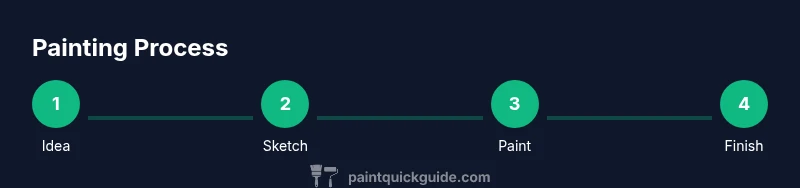
Start with a subject you care about and pick a compatible medium for canvas work. Gather the right brushes, paints, and tools, then create small thumbnails to plan composition. Transfer a loosened sketch to the canvas, block in color, and gradually build value and texture. Finish with a varnish after the paint dries to protect your work.
What to paint on a canvas: defining your starting point
If you’re asking what to paint on a canvas, the starting point is your personal interest and the message you want to convey. A canvas is a flexible surface that welcomes everything from loose abstractions to tightly rendered realism. Begin by naming a theme—nature, memory, daily life, or pure color studies. This clarifies your goals and keeps you motivated through the process. Consider the space where the piece will live; larger works can feel ambitious for beginners, while small studies are perfect for practice. Remember that every painting starts with a decision about subject and intention, which will guide your choices about color, composition, and technique.
Tip: Write a one-sentence painting goal to anchor your decisions throughout the project.
From inspiration to subject: sources and ideas
Inspiration can come from many places, and great canvas works often start with a few concrete ideas. Visit a local gallery, browse nature photography, or sketch something you notice in daily life. Keep a small notebook or digital folder of phrases, color swatches, and quick sketches. Don’t fear mixing sources—an urban landscape might mingle with abstract color blocks, while a still life can include gestural marks that suggest movement. If you feel stuck, pick a single color you love and build a composition around its temperature and intensity. Remember that even simple subjects can yield powerful results with thoughtful composition and decisive brushwork.
Source ideas: nature studies, everyday objects, memories, geometric abstractions, or a personal color study.
Abstract vs representational: choosing your approach
Choosing between abstract and representational work shapes every subsequent decision. Abstract painting prioritizes mood, rhythm, and color relationships, letting form emerge through brushwork and texture. Representational work aims to resemble real-world subjects, guiding you to observe value, edges, and scale more closely. Beginners often benefit from combining both: start with a representational thumbnail, then push elements toward abstraction with color blocks or expressive marks. This hybrid approach lets you learn about composition and technique without getting stuck trying to perfectly reproduce reality.
Consider: your comfort with detail, your available time, and the emotional impact you want to achieve.
Color theory at a glance: building a palette for a canvas
A strong palette is the backbone of any canvas painting. Start with a limited set of colors and learn their interactions. A basic trio of primaries plus white and black can mix most hues, but expanding to cool and warm variants of your chosen colors adds depth. Use complementary colors to create optical vibrancy and subtle tints and shades to model light and form. Keep a color study sheet handy: mix swatches, note the ratios, and test on scraps before applying to your canvas. Don’t be afraid to restrict your palette early; restraint often yields more cohesive paintings.
Practical palette tips: label each swatch, note drying times for heavier pigments, and test color temperature before committing to large areas.
Surface, materials, and tools: prepping your canvas
Canvas selection sets the stage for your painting. Opt for a stretched cotton or linen canvas with a primer (gesso) applied. Prepping ensures your paint adheres evenly and resists cracking. For acrylics, you can paint directly on primed canvas; for oils, allow extra drying time between layers and use solvent-safe cleaners. Gather brushes in a range of sizes from large channels for broad fields to fine-tipped bristles for detail. A sturdy easel, a clean palette, a water jar (or solvent for oils), and rags or paper towels are essential. If you’re experimenting with texture, a palette knife and unconventional tools can create exciting surfaces.
Prep checklist: ensure the canvas is clean, dry, and free of dust; select compatible mediums; and plan your underpainting to establish value structure early.
Planning your composition: thumbnails, grids, and focal points
Planning minimizes wasted effort on canvas. Start with quick thumbnail sketches to explore composition, perspective, and balance. Use a light grid or a simple rule of thirds to locate focal points and ensure strong reading from a distance. Decide where to place your main subject, how light will enter, and where to lead the viewer’s eye. In early studies, keep lines loose and avoid overworking the drawing; the goal is to map major shapes and relationships, not to commit to every detail. This planning stage reduces frustration when applying paint and helps you progress with confidence.
Techniques to bring ideas to life: layering, texture, and brushwork
Layering is where painting becomes tactile and expressive. Start with a thin underpainting to establish values, then build gradually with opaque and translucent layers. Textures can be achieved with brushwork, palette knives, or impasto mediums. Brushwork variety—long sweeps for atmosphere, short strokes for texture—adds rhythm. Don’t rush; allow each layer to dry (or partially dry when using acrylics) to prevent muddy colors. Glazing can deepen tones, while dry brushing can suggest highlights and edges. Experiment with scumbling for soft transitions and bold contrast.
Finishing touches: varnish, preservation, and framing
A clear varnish protects your painting from dust, UV light, and aging. Wait for warmth and proper dryness before applying; oil paintings may require months to cure, while acrylics can be varnished sooner. Choose a finish that suits your painting—gloss for vibrancy, satin for a balanced look, or matte for a muted sheen. Framing should complement the artwork and its subject, not overpower it. Consider mounting on archival materials and labeling the work with title, date, and medium for future reference. Proper storage and display can significantly extend the life of your canvas piece.
Practice, process, and personal style: staying motivated
Developing a consistent practice builds confidence and style. Set aside regular time, even if it’s short, and carry out small, manageable projects to reinforce technique. Keep a visual journal of your experiments, noting what worked and what didn’t. Resist the urge to chase perfection; instead, focus on progress and learning. As your confidence grows, experiment with larger formats, new themes, and mixed media to discover your voice on canvas.
Tools & Materials
- stretched canvas or canvas panel(Choose the size you plan to work in; pre-stretched or ready-to-stretch works fine.)
- gesso (if priming a raw canvas)(Apply 1-2 coats for a smooth surface; sand lightly between coats.)
- acrylic paints or oil paints(Acrylics dry faster; oils allow longer blending times.)
- brushes (flat, round, small detail brushes)(Synthetic bristles for acrylics; natural for oils.)
- palette and palette knife(Used for mixing colors and adding texture.)
- water container or solvent(Water for acrylics; odorless mineral spirits for oils.)
- rags/paper towels(For cleanup and blotting excess paint.)
- pencil or charcoal for sketching(Lightly sketch composition before painting.)
- varnish (protective finish)(Choose gloss, satin, or matte based on desired finish.)
- easel(Helpful for larger works and comfort.)
Steps
Estimated time: Total time: 2-7 days depending on medium and drying conditions.
- 1
Define painting goal
State your objective and mood for the piece. Clarify the subject and the message you want to convey, which guides color choices and composition.
Tip: Write a one-sentence goal to stay focused. - 2
Gather materials and choose medium
Select your canvas size and decide between acrylic or oil. Consider drying time, cleanup, and whether you want quick results or deeper blending.
Tip: Choose a primary medium and stick with it for consistency. - 3
Prep the canvas
If needed, apply gesso in smooth, even coats and let it dry fully. A well-prepared surface improves paint adhesion and color accuracy.
Tip: Lightly sand between coats for a smoother finish. - 4
Create thumbnail sketches
Draw small rough sketches to explore composition, balance, and focal points before committing to the canvas.
Tip: Test several layouts quickly to pick the strongest one. - 5
Transfer composition
Copy or lightly map your chosen thumbnail onto the canvas with pencil or thin charcoal.
Tip: Keep lines faint to avoid imprinting into paint later. - 6
Block in major shapes
Lay in large color areas to establish value structure and overall mood without worrying about details.
Tip: Focus on value first, color second. - 7
Build form and texture
Layer colors, add textures with brushstrokes or palette knife, and refine edges to define shapes.
Tip: Work from dark to light for better depth. - 8
Final adjustments and finish
Add final highlights, adjust contrasts, and apply varnish after drying time to protect the work.
Tip: Allow sufficient drying time before varnishing.
Your Questions Answered
What should I paint on a canvas for beginners?
Good beginner subjects include still life, simple landscapes, abstract color studies, and memory sketches. Start small, keep your goals simple, and focus on composition and value rather than perfect realism.
Great starter ideas are still life, simple landscapes, and abstract color studies. Start small and focus on composition.
Do I need to sketch before painting?
A light sketch helps map composition and value structure. You can use pencils or thin charcoal, and keep lines faint so they don’t show through the final layers.
Yes. A light sketch helps plan your composition and values without committing to details early.
What is the best paint for canvas?
Acrylics are forgiving, fast-drying, and easy to clean, making them ideal for beginners. Oils offer longer blending time but require more ventilation and drying time.
Acrylics are great for beginners; oils give richer blends but need more ventilation.
How long does acrylic paint take to dry on canvas?
Acrylic paint dries relatively quickly, often within minutes for thin layers, but thicker applications can take longer. Allow 24–48 hours for a final varnish depending on thickness and environment.
Acrylics dry quickly—usually within minutes for thin coats, longer for thick ones.
How should I seal or varnish a finished canvas?
Choose a varnish suitable for your medium and finish. Apply in thin, even coats once the painting is fully dry to protect colors and reduce surface dust.
Apply a thin varnish coat once dry to protect your painting and keep colors fresh.
How large should my canvas be for a space?
Size should reflect the viewing distance and room scale. Start with a 12x16 or 16x20 for practice, then move to larger formats as your confidence grows.
Start with a moderate size like 12x16, then scale up as you gain confidence.
Watch Video
Quick Summary
- Define a clear painting goal and subject
- Plan with thumbnails before committing paint
- Build value and texture through deliberate layering
- Choose a cohesive palette and test mixes
- Protect finished work with proper varnish and framing