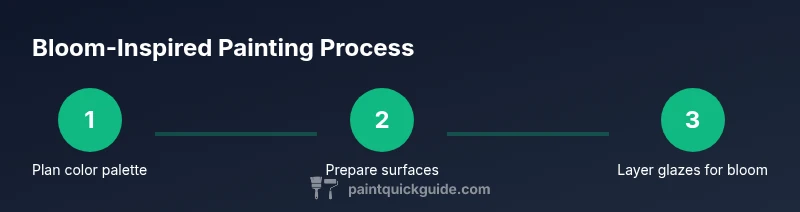
Paint and Bloom: Creative Color Techniques for Home and Car
Discover how to apply bloom-inspired color palettes and layered finishes to walls, furniture, and auto refinishes. Learn prep, color testing, layering, and sealing to achieve depth, vibrancy, and lasting durability.


You will learn how to apply bloom-inspired color palettes and painting techniques to walls, furniture, and automotive refinishes. We cover selecting harmonious bloom colors, preparing surfaces, choosing finishes, and layering steps that create depth and a blooming effect. This quick guide also highlights common pitfalls and practical tips to keep projects affordable and durable.
The Creative Philosophy Behind Paint and Bloom
The term paint and bloom captures a way of thinking about color and texture that mirrors the way a garden grows: layers, translucency, and motion. This approach blends botanical color palettes with painterly techniques to create spaces and surfaces that feel alive. For homeowners and auto refinishing hobbyists, it's a practical philosophy: start with light, airy foundations and add bloom accents in deliberate, repeatable steps. The PaintQuickGuide team emphasizes that success comes from a clear plan, disciplined prep, and generous swatches to test how bloom colors interact under different lighting. In practice, paint and bloom means thinking in layers—base tones, bloom highlights, and protective finishes—so the final result reads cohesive rather than chaotic. Throughout this guide, you’ll see how a bloom-driven mindset reduces waste and increases satisfaction by letting color ideas reveal themselves gradually rather than all at once.
The approach also aligns with practical budgeting: test swatches before buying large quantities, document color mixes, and apply conservative base coats to minimize waste. By embracing bloom as a method rather than a single trick, you can adapt to various surfaces—from interior walls to wooden furniture and even car panels—without reinventing the wheel each time. If you’re new to bloom concepts, start with a neutral base, add soft bloom colors, then gradually layer deeper hues to create a sense of depth and life that remains controllable and durable over time.
Color Theory for Bloom-Inspired Schemes
Bloom-inspired palettes lean on botanical harmony: analogous color schemes, soft tints, and a few bold accents that imitate flowers in bloom. Start with a neutral base that won’t fight the bloom accents, then select 1-2 main bloom colors and 1 supporting hue. Consider light/dark value differences so that blooms appear alive in morning and evening light. When you mix paints, use the color-mixing principles painters employ to keep undertones consistent across walls, furniture, and car panels. For interior walls, test at least three swatches under artificial light to observe how the hues shift with time of day. The key is balance: too many bloom colors fragment attention, while a restrained palette lets the bloom appear intentional.
Surfaces and Preparations for Bloom Effects
Bloom effects demand clean, well-prepared surfaces. Begin with a thorough cleaning to remove oils, dust, and old wax layers. Lightly abrade glossy finishes to create bite for the next coat, then prime with a bonding primer if the substrate is slick or porous. For walls, sealers can help prevent stain bleed-through; for wood furniture or auto panels, sand to a smooth finish and wipe away dust. Mask adjacent areas with painter's tape, then lay down drop cloths. The bloom look often relies on glaze layers; keep your brushes and rags ready for quick blending so transitions remain soft rather than harsh. Choose finishes that support bloom layering: low-luster sheens for ductile gleam on walls and a flexible clear coat for autos.
Tools, Materials, and Finishes
A practical bloom setup blends quality tools with affordable paints. You’ll want a selection of brushes (1-inch angled sash brush, 2-inch flat brush), rollers, painter’s tape, masking film, drop cloths, and a good sanding block. For finishes, use a durable matte or satin interior paint as a base, plus a glaze medium to create translucent bloom layers. For auto refinishing, select compatible primers and a clear protective coat, and consider color-mixing glaze products designed for mobility. Include a spray nozzle or airbrush if you plan fine bloom details. Keep a dedicated palette or mixing tray and disposable rags for quick cleanup. Finally, stock up on swatches and color chips to compare bloom colors in person before committing.
Layering Techniques: Build Depth and Bloom
Depth comes from controlled layering rather than a single color hit. Start with a soft base coat, letting it dry fully before applying your bloom tones. Apply colors with feathered strokes, then blend edges while the paint is still wet to mimic natural petals. Use glazing to set transparency and create soft transitions between tones. Introduce bloom accents with stenciling, sponging, or freehand painting, always testing on scrap surfaces first. A successful bloom comes from repetition: build up several translucent layers, then stop before the bloom becomes muddy. Finally, seal with a clear topcoat suited to the surface, and allow ample cure time before use.
Auto Refinishing with Bloom-Inspired Finishes
Automotive bloom effects require additional caution: keep dust out of the workspace and use automotive-safe products. Start with a clean, wax-free surface; light sanding improves adhesion. Use a white or neutral base first so bloom accents read true, then apply bloom tones with controlled stippling or soft feathering. In auto finishes, bloom depth is achieved by multiple thin coats and slow-drying glaze layers, followed by a protective clear coat. Test color matches on a scrap panel before committing to the car’s bodywork. Remember that color shifts in sun exposure can be dramatic; plan for outdoor temperature and humidity when working near finishes.
Troubleshooting Bloom Projects
Common issues include muddy blooms, color bleed, or uneven glaze. If blooms appear too dark, introduce more translucent layers or dilute the glaze. If edges look harsh, blend with a soft brush or lint-free rag while the glaze is slightly tacky. Bleed-through can happen on warm surfaces; prime with a stain-blocking sealer or use a barrier coat. Lighting matters: assess bloom colors under both daylight and artificial light to ensure balance. Temperature and humidity affect drying times; allow longer dry periods between layers in damp environments. Finally, practice on scrap pieces to refine your technique before committing to walls, furniture, or vehicles.
AUTHORITY SOURCES
- EPA. Lead-based paint safety and exposure guidelines: https://www.epa.gov/lead
- CDC. Lead prevention and safety information: https://www.cdc.gov/nceh/lead/prevention/default.htm
- OSHA. Lead in construction and general safety guidelines: https://www.osha.gov/SLTC/lead/
Tools & Materials
- Bonding primer (for slick or porous surfaces)(Use on glossy walls, metal, or auto panels to improve adhesion)
- Base coat paint (neutral shade)(Choose a matte or satin finish as a foundation)
- Bloom colors (1-2 main tones, 1 supporting)(Test swatches before committing)
- Glaze medium or translucent glaze(For creating bloom depth)
- Clear topcoat / protective sealant(Select compatible with surface (interior or car))
- Brushes (1-inch angled, 2-inch flat)(Synthetic bristles recommended for glaze work)
- Rollers (4-inch or 6-inch)(Use for larger base coats)
- Painter’s masking tape(To protect edges during bloom accents)
- Drop cloths and plastic sheeting(Protect floors and furniture)
- Sandpaper (220 grit)(Lightly scuff surfaces for adhesion)
- Spray bottle (water mist)(Humidifying mist can help blending)
- Palette or mixing tray(For glaze mixtures and color testing)
- Breathing protection(Use a mask when sanding or spraying)
Steps
Estimated time: Total time: 4-6 hours (excluding drying)
- 1
Prepare the workspace and safety gear
Set up a well-ventilated area, lay drop cloths, and put on protective gear. Clear the space of obstacles and ensure pets and kids are away. This stage reduces contamination of bloom layers and minimizes accidents.
Tip: Ventilate for at least 10 minutes before you start painting; keep a dedicated waste area to avoid cross-contamination. - 2
Select bloom palette and test swatches
Choose 1-2 bloom tones and 1 neutral that will anchor the palette. Paint small test swatches on poster board or scrap panels and compare under different lighting. Note undertones and how colors shift with glaze layering.
Tip: Label each swatch and record formulas so you can replicate or adjust later. - 3
Prime and base coat surfaces
If the surface is slick or porous, apply bonding primer and let it dry fully. Then apply a neutral base coat as the foundation for bloom layers. Sand lightly between coats for a smooth, bite-ready surface.
Tip: Avoid thick bases that dry with heavy texture; aim for a flat, even field. - 4
Apply base and begin bloom planning
Evenly apply the base coat and let it cure as directed. Plan where blooms will anchor on the surface—think focal points and subtle transitions. Prepare glaze mixtures for translucent bloom layers.
Tip: Keep glaze ratios consistent to maintain uniform translucency. - 5
Layer bloom colors with glazing
Apply bloom tones using feathered strokes; blend while the glaze is still workable. Build 2–3 translucent layers to achieve depth. Use a soft brush or sponge to soften harsh edges as needed.
Tip: Work in small sections to preserve moisture and control. - 6
Add bloom accents with stencils or freehand
Introduce bloom petals or soft shapes using stencils or delicate freehand work. Maintain light pressure to keep edges soft and avoid overpowering the base. Regularly test on scrap to keep color balance.
Tip: If edges become muddy, step back and re-blend with a clean brush. - 7
Refine and blend with additional glazing
Add final glaze passes to unify tones and enhance bloom depth. Address any hotspots or overly pale areas by lightening or darkening specific regions. Allow enough drying time between passes.
Tip: Use a damp brush for gentle blending to avoid harsh lines. - 8
Seal and cure the bloom finish
Finish with a compatible clear topcoat to protect layers and enhance durability. If refinishing a car, use automotive-grade sealant and observe safety guidelines. Allow full cure before handling or cleaning.
Tip: Cure times vary; verify manufacturer recommendations before use.
Your Questions Answered
What is the 'paint and bloom' technique?
Paint and bloom is a layering approach that uses translucent glazes and bloom-inspired color transitions to create depth and floral-like color movement on walls, furniture, or car panels.
Paint and bloom combines layered glazes with floral-inspired color moves to mimic blooming shapes across different surfaces.
Can I use bloom technique on car paint?
Yes, with automotive-safe products and proper surface prep, bloom accents can be integrated into car refinishes. Always test color on scrap panels and follow clear coat guidelines.
You can apply bloom-inspired finishes to cars, but prep and proper products are essential.
What colors work best for bloom-inspired palettes?
Soft pastels with a few saturated accents work well; keep a neutral base to help blooms pop and read clearly in various lighting.
Soft pastels plus bold bloom accents usually give the best bloom effect.
Do I need special tools for bloom effects?
Not necessarily. Basic brushes, sponges, and glaze mediums are enough, though an airbrush can help with fine petal details.
You can start with common painting tools and a glaze medium.
How long does bloom paint take to dry?
Dry times vary by product and environment. Plan for longer dry times in humid conditions and between glaze layers.
Dry times depend on products and humidity; allow proper curing between coats.
Is bloom painting safe for indoor spaces?
Yes, with proper ventilation and low-VOC paints. Wear a mask when sanding or spraying and keep pets away during application.
Indoor bloom projects are safe when you ventilate and use appropriate protective gear.
Watch Video
Quick Summary
- Test swatches before large purchases
- Use light glaze layers to build bloom depth
- Balance bloom colors for cohesive results
- Seal surfaces to protect bloom effects