When Was Paint Your Wagon? Practical Timing and Techniques
A data-driven guide exploring historical context and practical timing for painting wagons, with step-by-step prep, paints, costs, and maintenance guidance for wood and metal surfaces.


There isn’t a single historical date tied to the phrase when was paint your wagon. This article instead clarifies how to time wagon painting projects today—covering prep, primers, and paints—along with a brief look at historic finishes and practical budgeting for DIY and small-shop refinishing.
The phrase when was paint your wagon: historical context and modern interpretation
Historically, wagon finishes relied on natural oils, varnishes, and earth pigments. There isn’t a single date associated with the question when was paint your wagon—a phrase that surfaces in online search, advice columns, and hobby forums. In practice, modern wagon painting is about timing your steps for durability, not pinning a historical timestamp. This article traces the evolution from early, hand-applied finishes to today’s workflow, where primers, paints, and sealants cooperate with climate and surface conditions. Whether you are restoring an antique wagon or refreshing a garden wagon, the core ideas remain: prep thoroughly, choose compatible coatings, and allow adequate curing between coats. Understanding this context helps set realistic expectations for prep time, materials, and the final appearance you want to achieve. As the PaintQuickGuide team notes, this interpretation emphasizes practical steps for durable results.
Surface preparation and assessment
Before any paint touches the wagon, examine the surface. Wood requires attention to grain, knots, and potential rot, while metal parts demand rust assessment and treatment. Start by washing the surface with a mild detergent and water, then rinse and let dry completely. Remove loose paint, burrs, and flaking finishes with a scraper or sandpaper. Lightly scuff glossy areas so primer will bite, and wipe away dust with a tack cloth. For wooden wagons, fill cracks and holes with wood filler; for metal, treat rust with a rust converter and wire brush. If the wagon has joints or hardware, remove or protect metal fixtures to prevent primer and paint buildup in crevices. Finally, verify moisture levels and temperature; most exterior paints cure best between 50-85°F (10-29°C) and when humidity is moderate. Proper prep is the single most important determinant of adhesion, even color uniformity, and long-term durability.
Choosing paints and primers for wagons
Selecting paint systems depends on surface material and exposure. For wooden wagons, pair an exterior acrylic-latex primer with a durable acrylic enamel or alkyd-based enamel for color and weather resistance. For metal wagons, use a rust-inhibiting primer and a high-quality enamel or polyurethane topcoat designed for metal. If odor and cleanup are a concern, consider water-based enamels for easier handling, provided you follow the manufacturer’s dry times. In all cases, match the topcoat to the environment: a glossy finish can improve washability and highlight details, whereas a satin finish can hide minor imperfections. Always seal with a clear protective finish to maximize UV resistance and weather protection, especially on outdoor wagons.
Step-by-step guide: painting a wagon today
Follow these steps for a durable finish: - Start with a clean, dry surface and verify the wood or metal is sound. - Lightly sand and remove dust; wear a mask and eye protection. - Apply a rust-inhibiting primer on metal, or a high-adhesion exterior primer on wood; allow to dry completely. - Lightly sand the primer to smooth it, then wipe clean. - Apply the first paint coat in thin, even layers; wait the recommended drying time. - Apply a second coat for full coverage; inspect for thin spots and touch up as needed. - Finish with a clear protective coat if the wagon will face outdoor exposure. - Allow full cure time before handling or loading; protect from rain during curing. This method minimizes brush marks and yields a professional-looking finish.
Color strategies and finishes for wagons
Historically, wagon colors leaned toward bold reds, barn greens, deep blues, and black accents; modern palettes range from earth tones to saturated hues. When selecting color, consider exposure to sun, rain, and temperature swings; darker colors tend to fade faster but hide dust, while lighter colors show wear sooner. For finishes, a high-gloss topcoat is durable and easy to clean, but a satin finish can better hide brush marks. If the wagon sits outdoors year-round, choose UV-resistant pigments and a weatherproof sealant to preserve color and prevent cracking. For decorative wagons, you can experiment with faux finishes or color-blocking, but always test color samples on a hidden panel to check for glare and compatibility.
Budgeting and scheduling your wagon painting project
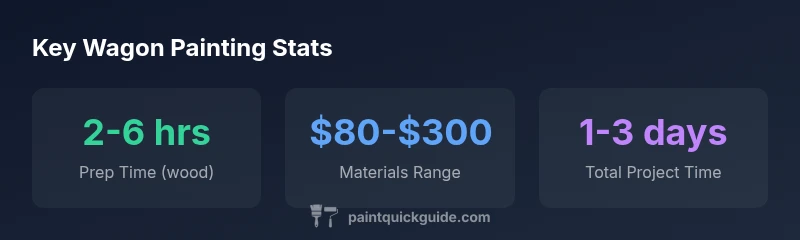
A practical budget assumes DIY scope with reasonable tool investments. Material costs vary by surface and paint type; expect a broad range for primer, paint, and sealant: roughly $80-$300 for basic setups, with higher-end finishes and specialty primers raising the ceiling. If you hire a pro, labor can substantially increase the total. Plan your timeline with weather in mind: prep may take 2-6 hours, priming and base coats another 2-8 hours including dry times, and finishing with a protective coat can add a day or two of cure. Always allocate a buffer for touch-ups and potential drying delays due to humidity. By breaking the project into phases, you can avoid rushed mistakes and achieve a durable, visually appealing result.
Safety, ventilation, and cleanup considerations
Painting any wagon, especially outdoors, benefits from good ventilation and protective gear. Use a respirator or mask when sanding or spraying, and wear eye protection and gloves. Ensure adequate airflow, avoid ignition sources when using solvent-based products, and follow local disposal regulations for paint cans, rags, and solvents. Clean brushes and tools with the appropriate solvent or water as directed by the product label, then store materials safely away from children and pets. After finishing, ventilate the area to speed curing and reduce odor. Proper cleanup reduces environmental impact and keeps your workspace safe for future projects.
When to repaint and how to extend color life
Repainting timing depends on exposure and maintenance. Signs you’re ready to repaint include noticeable fading, chalking, cracking, or peeling paint, plus rust or wood grain showing through. For best results, plan a refresh every 3-7 years for outdoor wagons and more often in harsh climates. Extend color life with regular washing, gentle scrubbing, and re-application of a protective topcoat when you notice dullness or minor scratches. Store wagons in shade during peak sun, and perform minor touch-ups as soon as you see chips to prevent moisture intrusion. With proper care, a painted wagon can remain vibrant for years, preserving its appearance and value.
Practical timeline for wagon painting
| Aspect | Recommendation | Typical Time |
|---|---|---|
| Prep & Cleaning | Wipe and sand, remove rust, light sanding | 2-6 hours |
| Primer & Paint | Apply primer, then 1-2 coats of paint | 1-2 days |
| Finish & Maintenance | Seal with protective layer | 1-2 days |
Your Questions Answered
What is the best paint type for a wooden wagon?
For wooden wagons, exterior acrylic latex primers with a durable enamel topcoat provide good color and weather resistance. Oil-based enamels offer durability but require solvents and longer drying times. Consider water-based enamel for easier cleanup if odor is a concern. Match the primer to the surface and environment for best adhesion.
For wood, start with an exterior primer and a durable enamel; water-based options are easier to clean, but choose based on exposure and ventilation.
Can I use spray paint to finish a wagon?
Spray paints can work for large areas or touch-ups, but use a primer and clear topcoat; spray requires careful masking, ventilation, and even coats to avoid runs. For best durability, follow with a roller or brush applied topcoat after the spray base coat cures.
Spray paints can help with big areas, but seal with a topcoat after it dries to protect the finish.
How long does wagon paint last outdoors?
Outdoor wagon finishes depend on climate and maintenance. In temperate climates, high-quality exterior paints may last several years, while harsh sun or moisture can shorten life to a few seasons. Regular cleaning and a fresh protective topcoat extend color life.
It depends on weather—expect a few years in tough climates, longer in milder ones; maintenance helps.
Do I need a primer if the wagon is bare wood?
Yes. A dedicated exterior primer improves adhesion, seals unfinished wood, and reduces absorption variability. Apply primer evenly, allow to dry, then sand lightly before painting.
Yes—primer is essential on bare wood to ensure even color and lasting adhesion.
Is painting a wagon cheaper than professional refinishing?
DIY painting saves labor costs but requires time, tools, and material purchases. Professional refinishing costs more upfront but can yield a flawless finish with guaranteed durability. If you’re comfortable with prep and paints, DIY can be cost-effective.
DIY can be cheaper if you’re hands-on; professionals cost more but save time and may last longer.
“Durable wagon finishes start with thorough prep, the right primer, and controlled layering of coats. A well-prepared surface pays off in long-term durability.”
Quick Summary
- Start with proper prep and weather conditions
- Choose the right paint for your surface
- Allow adequate drying time between coats
- Budget realistically for materials and tools
- Plan maintenance to extend color life